
Reviewed · HAGIA SOPHIA & OLD CITY TOURS
Istanbul: Whirling Dervish Ceremony next to Hagia Sophia
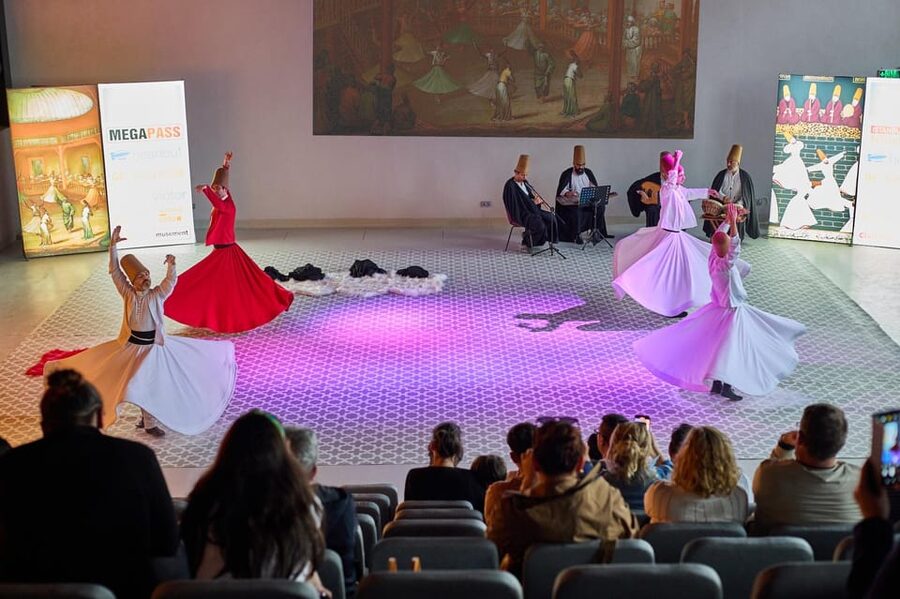
The slow turning begins in silence, then gathers force with the music. This is not a loud stage show. It is a Sufi prayer ceremony, with live Turkish instruments, ritual gestures, and a calm rhythm that asks you to watch closely.
I like the thoughtful introduction, which gives meaning to the dervishes’ clothing, movements, and music. I also like the setting: a traditional wooden house beside Hagia Sophia, with comfortable seating and a local tea or sherbet at the end. The main caution is that the presentation can feel brief, and sound or translation may not be perfect.
Key points
- A real sema ceremony: The dervishes perform a Sufi ritual, not a theatrical dance routine.
- Beside Hagia Sophia: The central location makes this easy to pair with the Basilica Cistern and Old City sights.
- Music from another age: The program uses traditional pieces composed from the 1400s through the early 1800s.
- Useful cultural context: An English-speaking host explains the ceremony, with a digital guide in seven languages.
- A quiet experience: Silence matters, phones can distract, and this suits people who enjoy reflection more than spectacle.
- Good value at $17: The price includes admission, live music, water, and tea or sherbet.
What the Whirling Dervish Ceremony Really Is
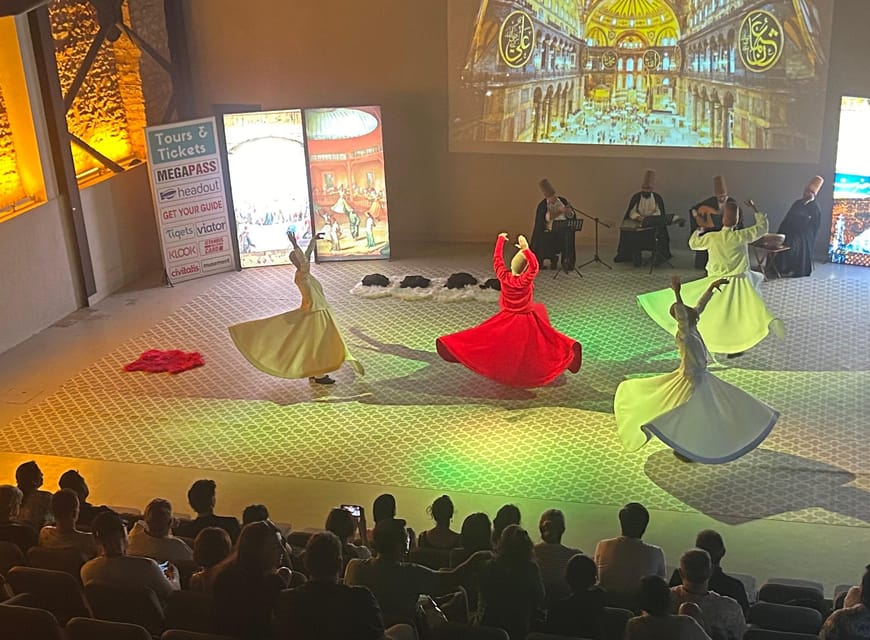
The whirling dervish ceremony is known as sema, a Sufi ritual connected with prayer, music, and a symbolic journey toward divine love and unity. The turning is not performed simply to make the dervishes dizzy. The movement has meaning, and the ceremony works best when you give it time and respect.
The ritual uses music, chanting, stillness, and carefully controlled motion. One hand reaches upward and the other points downward, a gesture commonly explained as receiving from heaven and sharing with the world. The turning also represents the movement of the universe and the effort to let go of the ego.
You do not need to be a religious scholar to appreciate the ceremony. But you will get more from it if you arrive ready to watch quietly rather than expecting a fast dance show. The mood is meditative, sometimes hypnotic, and gradually more powerful as the music and motion build.
The ceremony is recognized by UNESCO as Intangible Cultural Heritage. That label matters here because you are seeing a living cultural practice with local Sufi participants, rather than a museum display or a stage act built only for sightseeing.
Other old-city landmarks people visit in Istanbul:
- Istanbul: Hagia Sophia Skip-the-Line Ticket & Museum Option
★ 3.7 · 4,958 reviews - Istanbul: Blue Mosque & Hagia Sophia Guided Tour w/ Tickets
★ 4.8 · 3,600 reviews - Istanbul: Private Turkish Bath, Massage, and Spa in Old City
★ 4.6 · 3,225 reviews
Finding the White Wooden House Beside the Basilica Cistern
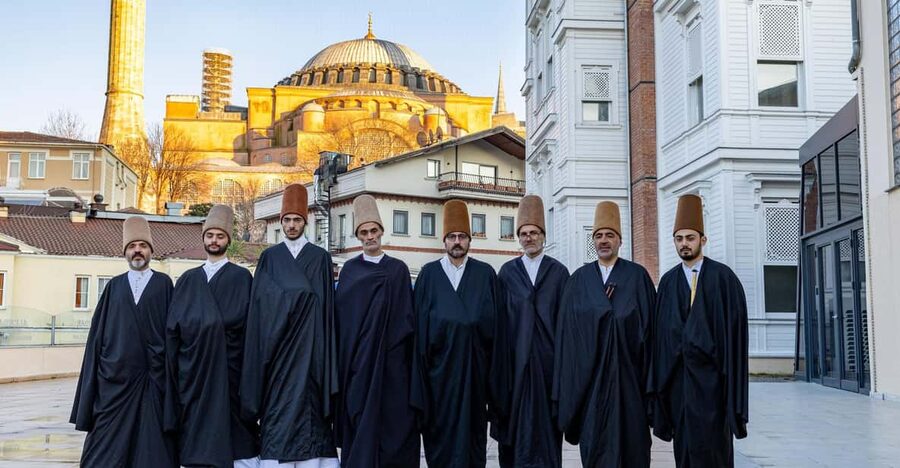
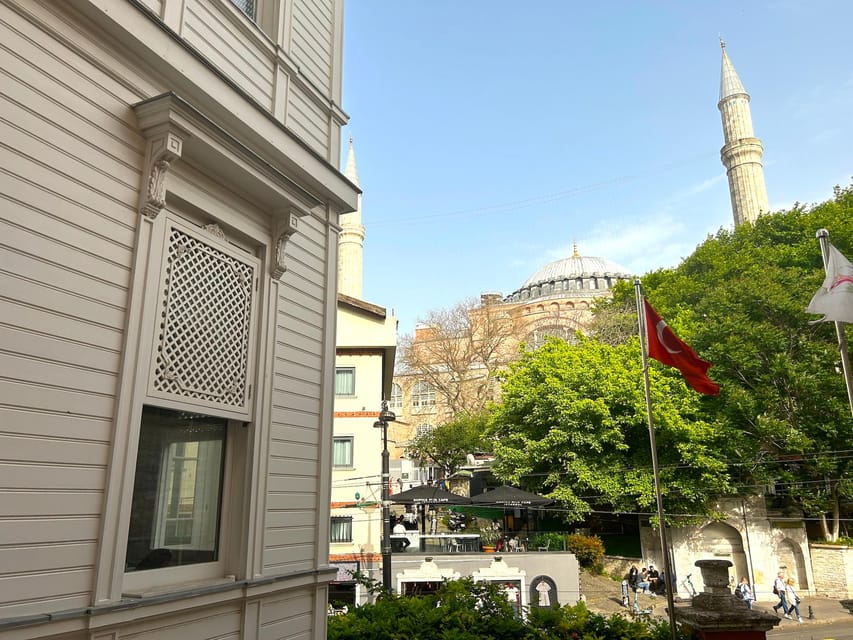
The meeting point is next to the entrance of the famous Basilica Cistern. Look for the reception desk at the gate of a large white wooden house. The gate opens 30 minutes before the ceremony begins, giving you time to find the venue and settle in.
This is a useful Old City location. You can place the ceremony near a visit to Hagia Sophia, the Basilica Cistern, or other historic sights in Sultanahmet. The setting also gives the evening a more local feel than a large modern theater. You enter a traditional arts center, not a concert hall designed for crowds.
Use the meeting instructions carefully. One person found that the map link pointed to the wrong side of the road, so check the white house and the Basilica Cistern entrance rather than following your phone blindly. Arriving early is sensible, especially if you want time to identify the reception desk and use the restroom.
The venue is wheelchair accessible, although one booking required staff to make extra effort for a wheelchair user. That suggests access is possible, but anyone needing assistance should contact the operator ahead of time rather than assuming every part will be effortless.
The Opening Talk Gives the Ritual a Shape
Before the dervishes appear, an English-speaking host explains what you are about to see. The introduction covers Sufism, the background of the ceremony, Rumi, and the meaning behind the movements. A short explanation can make a large difference because the ritual is quiet and symbolic rather than self-explanatory.
The host also answers questions after the ceremony. One guide named Kasl was singled out for helping a wheelchair user and responding carefully to questions. The name may not be the same at every session, but the format is consistent: an English presentation before the ritual and a chance to ask questions afterward.
You also receive access to a smart audio guide in English, German, French, Italian, Russian, Spanish, and Arabic. That is useful if English is not your strongest language, or if you want more background than the spoken introduction provides.
There are a few limits. Some people found the spoken explanation too fast, and one person had trouble hearing the beginning because the sound was not strong enough. If you have difficulty with fast speech or quiet audio, sit where you can hear the host clearly and use the digital guide as a second source of context.
A little preparation helps. Reading a short introduction to Rumi, Shams Tabrizi, the ney flute, and Sufi ideas about letting go of the self can make the ceremony easier to follow. You do not need to study philosophy before buying a ticket, but a small amount of reading turns a mysterious performance into a meaningful ritual.
Traditional Strings, Drums, and the Ney
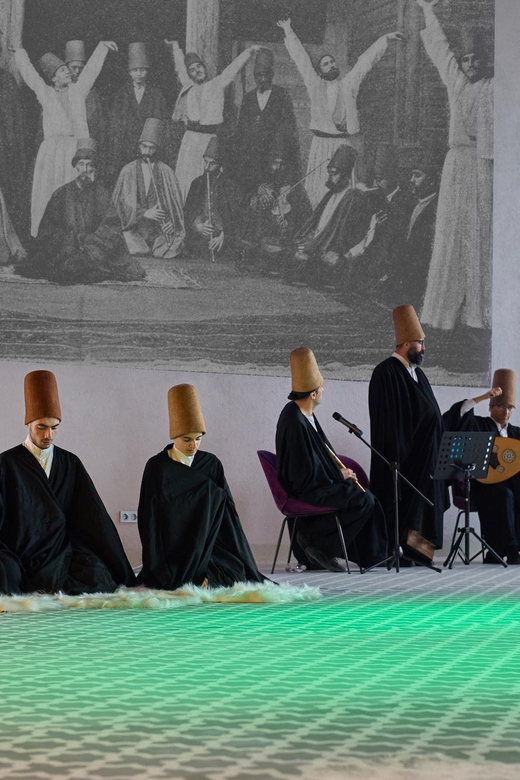
The music comes before and during the prayer ceremony. You hear traditional instruments such as strings, drums, and flutes, especially the ney, a reed flute strongly associated with Sufi music. The pieces performed were composed between the 1400s and the early 1800s, so the sound carries you far from modern Istanbul for a while.
The music is not background decoration. It sets the pace of the ceremony and gives the turning its structure. At first, you may be paying attention to the instruments and trying to understand the setting. As the music continues, the repeated patterns can create a quiet, focused mood.
The songs are not translated into English during the ceremony. That is a drawback if you want to understand every word. The host explains the larger ideas, but you should not expect subtitles or a line-by-line translation of the recitations.
Sound quality has also been uneven. One booking had difficulty hearing the early speech, while most of the positive comments focus on the music and the clear explanations. This is a cultural experience, not a polished concert production, and that distinction is worth keeping in mind.
Other evening ceremonies in Istanbul:
- Istanbul: Hodjapasha Whirling Dervishes Show & Exhibition
★ 4.4 · 4,790 reviews - Istanbul: Whirling Dervishes Ceremony and Mevlevi Sema
★ 4.3 · 1,694 reviews - Istanbul Hodjapasha Whirling Dervishes Show & Exhibition
★ 4.0 · 503 reviews - Istanbul Traditional Turkish Dinner and Dervish Experience
★ 5.0 · 490 reviews
Watching the Dervishes Turn
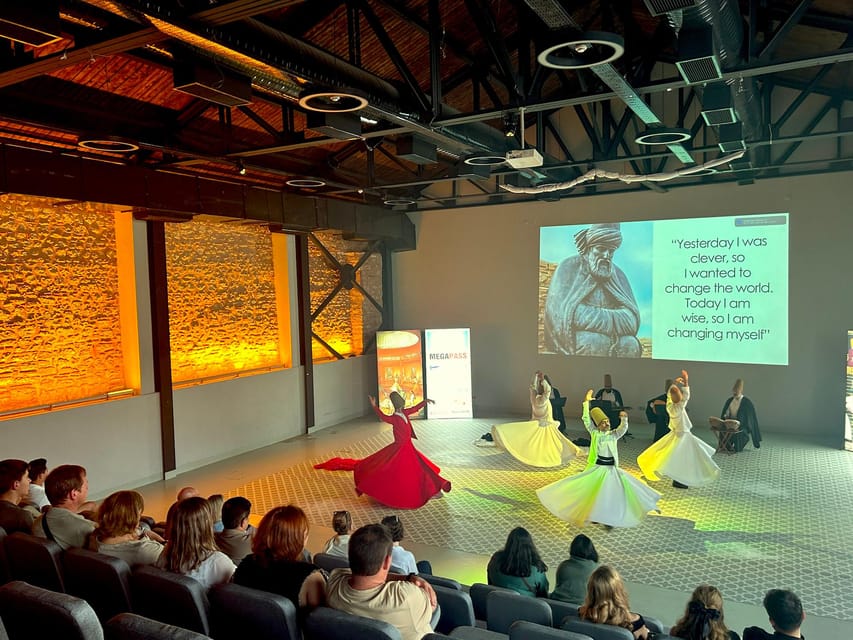
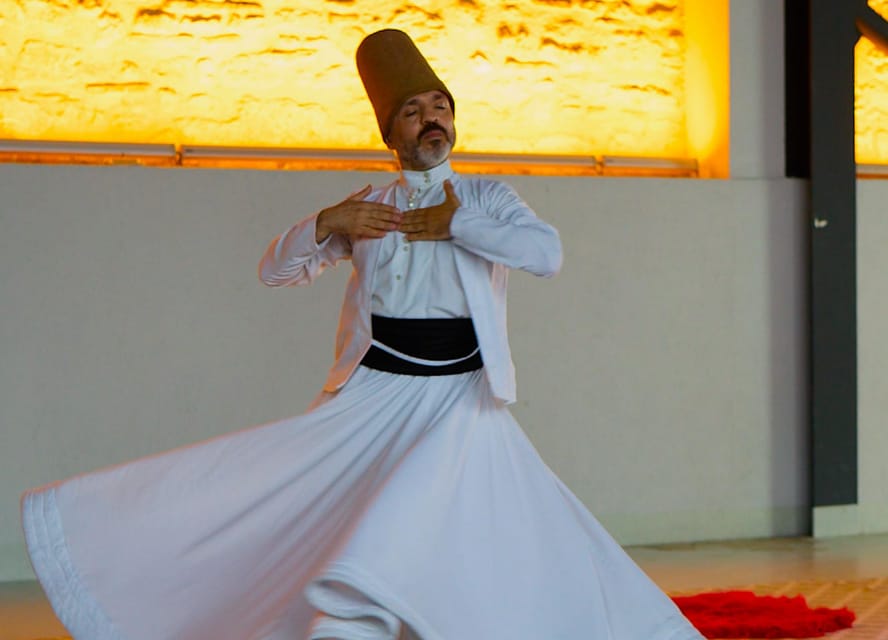
The dervishes arrive calmly, and the ritual develops in stages. You first see stillness and prayer. Then the music and movement become more active, with the dervishes turning in a controlled pattern that represents harmony in the universe.
The effect is slow rather than dramatic. This is exactly why some people find it beautiful and others may find it too quiet. If you need constant action, jokes, or a short burst of entertainment, this may not be the best use of your evening. If you can sit without checking your phone, the repeated movement can become absorbing.
The ceremony is best viewed with respect. Silence is important, and noise is not allowed. You are asked to use the restroom before or after the ritual, since leaving during the ceremony can interrupt both your own attention and the quiet of the room.
Photography and video are allowed, but I would use that permission sparingly. The ceremony depends on concentration. Holding up a phone, checking messages, or worrying about getting the perfect image pulls you away from the experience. The strongest part is often the overall sound and movement, which a quick phone clip cannot capture well.
The room is arranged so that every seat has a good view, and the seats are comfortable. That matters during a ritual built on gradual change. You are not craning your neck or standing in a crowded space while waiting for the main event.
A Small Tea or Sherbet at the End
Tea or sherbet and water are included. This is a modest extra, not a meal, but it gives the experience a friendly local finish. The drink is served as you leave the theater area, and it provides a moment to talk with the host or think about what you have just watched.
Food and other drinks are not included. Plan to eat before or after if you are hungry. The 55-minute duration makes the ceremony easy to fit between dinner and evening sightseeing, but the event itself is not intended to replace a full night out.
The short length is both a strength and a weakness. You can add it to an already busy day without giving up half an afternoon. On the other hand, the ritual may feel too brief if you want a longer study of Sufi music and prayer. One person felt it was a little short, while others found the length just right for a first encounter.
A Traditional Venue With a Community Purpose
The arts center is more than a room for performances. Information given before the ceremony explains that ticket income supports scholarships and arts education. This adds a useful social purpose to a low-cost cultural visit.
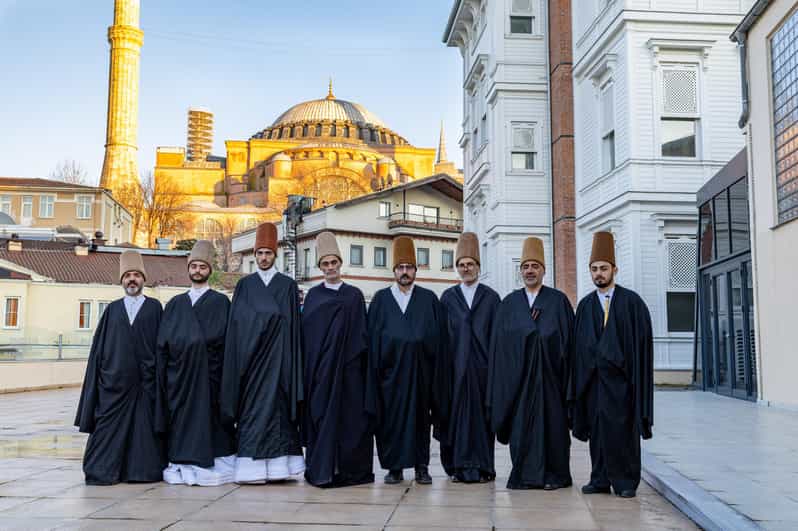
The participants are described as local followers of the Sufi tradition, and one account notes that the dervishes are also local craftsmen, traders, and residents. That helps explain why the event can feel more sincere than a tourist entertainment package. You are still attending a scheduled event for visitors, but the ritual is connected to a living community.
The visual design is attractive, with old photographs, paintings, and artistic material related to Sufism. One session used projected art in the background, which some people found distracting or out of place. Illuminated panels could also create harsh reflections in photographs. If you care about photography, expect the room to be better for watching than for taking perfect pictures.
The setting beside Hagia Sophia adds another layer. You can spend the day around the monuments of imperial Istanbul, then step into a ceremony shaped by centuries of spiritual and artistic practice. The contrast is part of the appeal: the city outside is busy, while inside you are asked to slow down.
Is $17 Good Value?
At $17 per person, this is one of the easier cultural additions to justify in Istanbul. The ticket covers entry, the ceremony, live traditional music, an English presentation, water, and tea or sherbet. You also receive access to the seven-language digital guide.
The price is especially fair if you want more than a quick photo opportunity. You get context, a complete ritual, a comfortable seat, and the chance to ask questions afterward. The scholarship program also means your money supports arts education, according to the information provided at the venue.
Do not compare it with a full concert or an elaborate stage production. You are paying for a 55-minute cultural and spiritual experience, not a long evening of food, dance, and entertainment. The value depends on your expectations.
For a first visit to Turkey, I think the price works well. It lets you encounter an important part of Turkish cultural life without committing to a costly package. Families should note that children under two are not suitable for the activity, and one booking with older children wished child pricing were lower.
Who Will Enjoy This Most
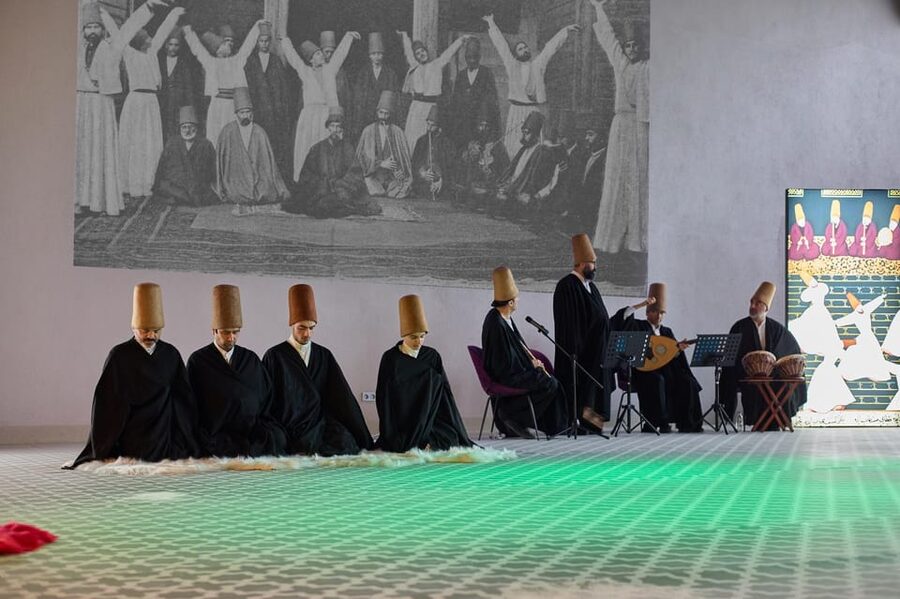
I would choose this ceremony if you like history, music, religious traditions, or quiet cultural experiences. It is also a good choice if you want an evening activity near Hagia Sophia that does not require transportation across the city.
You should approach it with patience. The best response is not to judge the ritual by the standards of a dance show. Watch the gestures, listen to the music, and let the ceremony develop at its own pace.
It may not suit very young children or anyone who needs lively entertainment. Young children may struggle with the required silence, and people who dislike slow performances may find the repeated turning too long. The event is open to all, but its real reward comes from attention.
The experience is also a good match for first-time visitors who want an introduction rather than a specialist lecture. The host provides enough background to follow the ceremony, while the audio guide gives you room to learn more afterward.
Practical Tips Before You Go
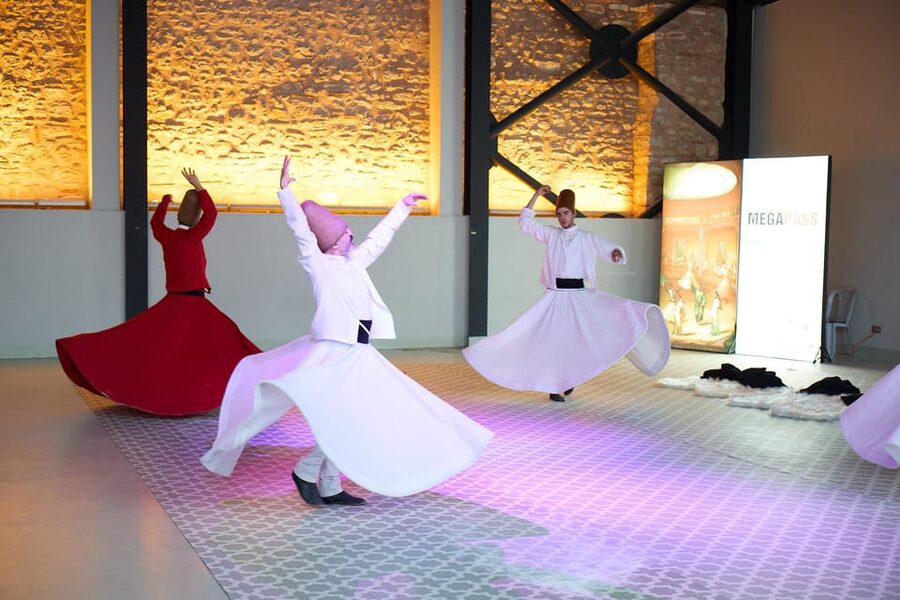
A few simple choices will improve the evening:
- Arrive before the gate opens, which is 30 minutes before the ceremony.
- Meet at the large white wooden house next to the Basilica Cistern entrance.
- Check the street location carefully if your map sends you to the opposite side.
- Use the restroom before or after the ceremony.
- Keep your phone away during the ritual, even though photography and video are allowed.
- Read a little about Rumi, Shams Tabrizi, Sufism, and the ney if you want more meaning from the ceremony.
- Sit where you can hear the introduction clearly.
- Plan a meal separately because food and extra drinks are not included.
Free cancellation is available up to 24 hours before the start time, and you can reserve now and pay later. Starting times vary, so check the available session when booking.
Should You Book This Ceremony?
Book it if you want a sincere, affordable introduction to Sufi culture in the center of Istanbul. The combination of live music, a traditional venue, an explanatory host, and a complete ritual gives you much more than a photo stop beside Hagia Sophia.
Skip it if you need fast entertainment, translated lyrics, or a highly polished theater production. The sound may not be perfect, the spoken introduction can move quickly, and the ceremony asks you to remain quiet and patient.
For most curious visitors, I think the $17 price is worthwhile. Go with an open mind, arrive early, and treat it as a spiritual ceremony with an audience, not as a dance performance made only for tourists.
FAQ
Where does the Whirling Dervish Ceremony take place?
It takes place in a traditional wooden arts center next to Hagia Sophia, near the entrance of the Basilica Cistern.
How long does the ceremony last?
The activity lasts 55 minutes.
How much does the experience cost?
The listed price is $17 per person.
What is included in the ticket?
The ticket includes entry to the ceremony, live traditional music, an authentic ritual, water, one local drink of tea or sherbet, and a smart audio guide.
Is the presentation available in English?
Yes. An English-speaking host gives information before and after the ceremony. The digital audio guide is available in English, German, French, Italian, Russian, Spanish, and Arabic.
Can I take photographs or videos?
Yes, photography and video are allowed. Silence is still required, and using your phone may distract you from the ceremony.
Is the venue wheelchair accessible?
The activity is listed as wheelchair accessible. Staff may need to provide extra assistance, so contact the operator in advance if you require specific support.
Are children allowed?
Children under two are not suitable for the activity. The information provided does not give a general upper age limit.
Is food included?
No. The ticket includes tea or sherbet and water, but food and other drinks are not included.
Can I cancel my booking?
You can cancel up to 24 hours in advance for a full refund. Reserve now and pay later is also available.
Just added in Istanbul
- From Istanbul: Sapanca & Masukiye Tour with Lunch★ 4.5 · 68 reviews
- From Istanbul: Private Pamukkale and Hierapolis Day Tour★ 4.2 · 19 reviews
- From Istanbul: Troy and Gallipoli 2-Day Trip★ 4.2 · 18 reviews
- From Istanbul: Guided Day Trip to Sapanca and Masukiye★ 4.1 · 21 reviews
- From Istanbul: Private Bursa City Day Trip★ 4.5 · 20 reviews
- From Istanbul: Ephesus Tour with Roundtrip Flight★ 4.5 · 23 reviews
- From Istanbul: 4-Day Istanbul, Cappadocia, Flight,Cave Hotel★ 4.6 · 17 reviews
- From Istanbul: Best of Turkey 8 Days, 7 Nights Guided Tour★ 5.0 · 15 reviews
Hagia Sophia & Old City Tours, compared.

Hagia Sophia Skip-the-Line Ticket & Museum Option
Read our review →
Blue Mosque & Hagia Sophia Guided Tour w/ Tickets
Read our review →
Private Turkish Bath, Massage, and Spa in Old City
Read our review →
Old City, Waterfalls, Olympos Cable Car, Boat
Read our review →
Hagia Sophia Skip-the-Line Ticket and Audio Guide
Read our review →
Istanbul Party Pub Crawl with Party Bus in Sultanahmet and Taksim
Read our review →
Blue Mosque, Hagia Sophia, & Basilica Cistern Tour
Read our review →
Topkapi, Hagia Sophia and Basilica Cistern Tour
Read our review →Browse the lists this tour appears in