Reviewed · TOURS IN ISTANBUL
Turkey Biblical Tour (Private)
The heart of this tour is its route through the places named in Acts and Revelation. You move from Istanbul’s imperial monuments to Troy, Pergamon, Smyrna, Sardis, Philadelphia, Laodicea, Ephesus, and finally Cappadocia. That gives you a rare mix of Christian history, Greek and Roman ruins, Ottoman landmarks, and striking volcanic scenery in one carefully arranged trip.
I like the private format, which lets your guide adjust the pace and answer questions without a large group slowing you down. I also like the way the trip connects the ruins to specific passages, especially at Ephesus and the Seven Churches. The main drawback is the amount of road time. Several days involve long drives, and this is better for someone who wants a serious historical journey than for someone seeking a relaxed holiday.
Key points to know before booking
- The Seven Churches route is the tour’s main prize: Pergamon, Smyrna, Sardis, Philadelphia, Laodicea, and Ephesus receive the most biblical attention.
- Ertunga and Umut are named guides associated with the experience: Both are described as adding Scripture, local customs, archaeology, and Turkish history to the visits.
- You travel privately with a guide and driver: Only your party participates, with hotel or airport pickup arranged.
- The price covers much more than sightseeing: Hotels, transport, entrance fees, parking, eight lunches, and the Cappadocia to Istanbul flight are included.
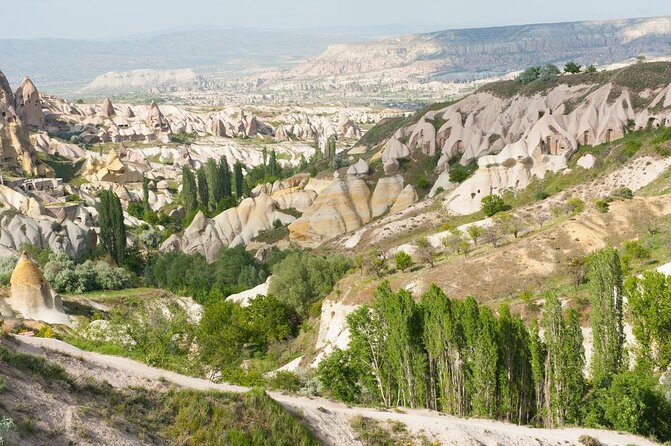
- Cappadocia provides a dramatic final act: Expect underground cities, cave churches, fairy chimneys, valleys, and old villages.
- The schedule is active: You need moderate fitness, patience for long drives, and comfort with frequent hotel changes.
Why this route matters to a Bible-focused visitor
Turkey is one of the best places in the world for connecting the New Testament to actual streets, theaters, ports, and city ruins. Paul traveled through Asia Minor, John addressed churches here, and the early Christian movement took root in major Roman cities that you can still visit.
This itinerary is not limited to churches. You also see the political and cultural settings around them. The grand ruins of Pergamon help explain the power of the city described in Revelation. Ephesus shows the scale of a Roman commercial center. At Istanbul’s mosques and palaces, you step far beyond biblical times and follow Turkey’s later imperial story.
Your guide matters greatly here. Ertunga is described as giving talks in the vehicle and at the sites, linking the geography and archaeology with Bible passages. Umut is also associated with the Ephesus portion, where Acts 19 and Revelation 2 help frame the visit. This kind of interpretation is useful because many ruins can otherwise blur together after several days.
A few more things to do in Istanbul worth a look
- Istanbul: Bosphorus Dinner Cruise & Show with Private Table
★ 4.8 · 44,561 reviews - Best of Istanbul 1, 2 or 3-Day Private Guided Istanbul Tour
★ 5.0 · 8,922 reviews - Istanbul: Private Turkish Bath, Massage, and Spa in Old City
★ 4.6 · 3,225 reviews
Days 1 and 2: Istanbul’s Byzantine and Ottoman core
Your first day is simple: airport transfer, hotel check-in, and an overnight stay. That transfer is valuable after an international flight, especially since the next morning begins with a full sightseeing schedule.
Day 2 starts at the Byzantine Hippodrome, once the setting for public spectacles under the emperors. The open space is easy to walk through, but its importance is larger than its current appearance suggests. Your guide can explain how this public arena fit into Constantinople’s political life.
The Blue Mosque follows. Its official name is the Sultan Ahmed Mosque, but the familiar nickname comes from the handmade blue tiles inside. Entrance is listed as free, but remember that religious sites can have changing visiting rules and prayer closures. Dress respectfully and be ready to remove your shoes.
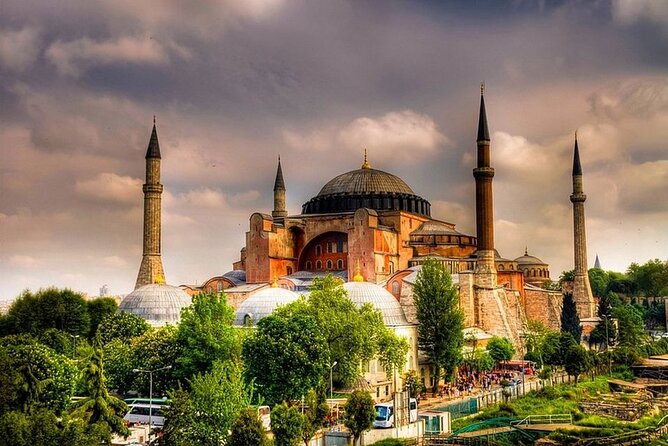
Hagia Sophia Grand Mosque gets about 90 minutes. This is one of the essential stops in Istanbul, with a long life as an Orthodox church, museum, and mosque. Its architectural story is central to understanding the city, where Roman, Byzantine, Ottoman, and modern Turkish history overlap.
Topkapı Palace then gives you a strong look at Ottoman power. The former residence of the sultans includes courtyards, collections, and examples of Ottoman design. Its entrance fee is included, so you are not paying separately for one of the day’s major sights.
The day ends at the Grand Bazaar, where more than 4,000 shops fill the covered market. You have about an hour, enough for a walk and perhaps a purchase, but not enough to see everything. I would treat this as a first taste of the market rather than a serious shopping session. Keep your expectations practical: it is historic and atmospheric, but also busy and commercial.
Day 3: The Bosphorus, the Spice Market, and a flight south
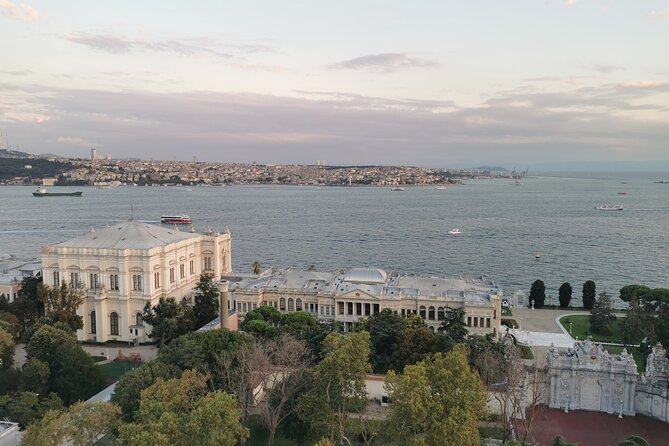
A two-hour boat trip on the Bosphorus changes the rhythm of the tour. From the water, you see Istanbul’s bridges, Dolmabahçe and Beylerbeyi palaces, Rumeli and Anadolu fortresses, and houses lining the strait. This is one of the best ways to understand Istanbul’s position between Europe and Asia.
The boat ride is included, which helps with the overall value. It also gives your feet a break before the next part of the day. Afterward, you visit the Spice Market, a covered 17th-century market once tied closely to the city’s spice trade.
Later, you transfer to the airport, fly to Izmir, and continue by road to your hotel in Kuşadası. This is a busy travel day, so do not expect much downtime. The advantage is that the flight avoids an even longer overland journey and places you near the ancient sites of the Aegean coast.
Days 4 and 5: Troy, Paul’s ports, and the cities of Revelation
Day 4 begins at Troy, Homer’s legendary city. The replica wooden horse is the obvious photo stop, but the layered ruins are the real point. Troy is not a biblical site, yet it adds Greek literary history to an itinerary otherwise centered on Christianity and Roman Asia Minor.
At Alexandria Troas, you connect directly with Acts 16:8 and Acts 20:5-12. Paul sailed toward Greece from this port, and the text also relates the story of Eutychus. The remains are less immediately grand than Ephesus, but the site rewards anyone interested in the movement of people and ideas across the Aegean.
Assos follows. Acts 20 describes Paul walking from Alexandria Troas to Assos while his companions traveled by sea. This is a short visit, but the biblical connection gives the ruins a clear purpose within the route.
Day 5 includes a long three-hour drive to Pergamon. You should expect this kind of road day several times on the trip. In return, you see one of the most important ancient centers in western Turkey, including the Acropolis, theater, Library of Pergamon, Temple of Trajan, Temple of Athena, Zeus Altar, and the Red Courtyard.
Pergamon is identified as one of the Seven Churches of Asia in Revelation 1:11. Revelation 2:13 refers to it as the place where Satan’s throne is. Your guide’s explanation is especially useful here because the site’s political power, religious buildings, and steep hilltop setting all help put that passage into context.
Akhisar is ancient Thyatira, another of the Seven Churches. It also connects with Lydia, the seller of purple mentioned in Acts 16:14. The visit is short, so think of it as a focused biblical stop rather than a full archaeological tour.
The day ends in Izmir, ancient Smyrna. Revelation 2:8-11 addresses this church with words about hardship and persecution. Izmir itself is a modern city, so this stop gives you a sense of continuity rather than a large field of ruins.
Same base, a different sort of day:
- Istanbul: Daytime or Sunset Sightseeing Cruise & Audio Guide
★ 4.8 · 14,430 reviews - Istanbul: Bosphorus Dinner Cruise with Turkish Night Show
★ 4.8 · 10,127 reviews - Istanbul: Basilica Cistern Fast-Track Entry and Audio Guide
★ 4.6 · 7,521 reviews - Istanbul: Hagia Sophia Skip-the-Line Ticket & Museum Option
★ 3.7 · 4,958 reviews
Day 6: Sardis, Philadelphia, and the white terraces of Pamukkale
Sardis was the capital of ancient Lydia and another of the Seven Churches. You visit the gymnasium, Jewish synagogue, Temple of Diana, and early Christian remains. The site has enough surviving structures to make the ancient city feel substantial, yet it also requires imagination because the ruins spread across a broad area.
From Sardis, you continue to Alaşehir, ancient Philadelphia. The biblical church is tied to Revelation 3:7-12, and the visit is short at about 30 minutes. Do not expect a full city experience here. Its value is in standing at a place linked to the letter about brotherly love and endurance.
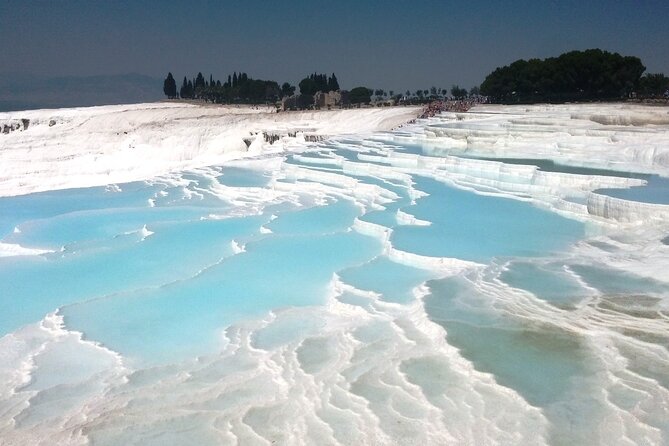
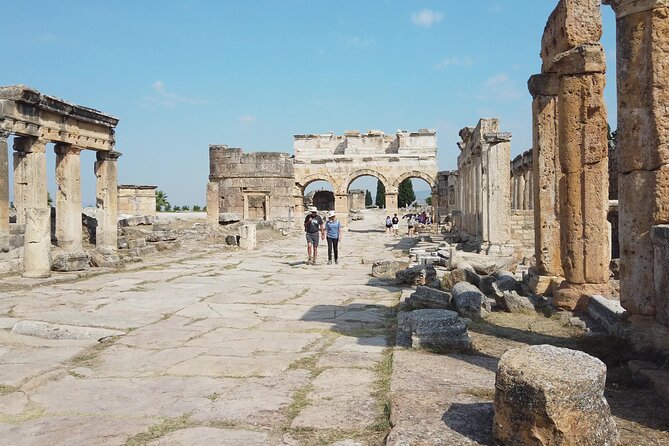
Pamukkale is the visual change you need after so many stone ruins. Mineral-rich thermal water formed the famous white travertine terraces, while nearby Hierapolis preserves a Roman spa city, theater, necropolis, and the Antique Pool with submerged columns.
The program includes the Gate of Domitian, Arcadian Way, necropolis, and the tomb associated with Apostle Philip. You have about two hours, which lets you see the main Roman remains without turning the stop into an all-day excursion.
Wear shoes that can handle uneven ground, and remember that the white terraces can be bright and exposed. The route combines walking, ruins, and a striking natural setting, so it is one of the more varied days of the tour.
Day 7: Laodicea and the unexcavated city of Colossae
Laodicea is the final one of the Seven Churches on this route. Revelation’s letter calls it the lukewarm church, a phrase many people recognize even if they do not know the city behind it.
You visit Christian ruins, the statue of Emperor Augustus, an aqueduct, stadium, and an Ephesian Gate. The remains show a major city shaped by Roman public life, not simply a religious outpost. Give yourself time to listen to the historical explanation here, since the biblical reference makes more sense when you see the city’s civic setting.
Colossae is a different sort of stop. The ancient city remains unexcavated, so you will not walk through restored streets or grand monuments. Its importance comes from the letter to the Colossians and the connection with Philemon. This is a good example of the tour’s strength: it includes places that matter in the text even when the archaeology is limited.
Afterward, you face about three hours on the road to Kuşadası. This is another long day, and the schedule favors coverage over leisure.
Day 8: Ephesus, Mary’s House, and the Basilica of St. John
Ephesus is the archaeological high point for many people. Paul visited during his second missionary journey and remained for more than three years. The city also connects strongly with the letters of Paul and John.
Allow two hours for the main visit. You see the Baths of Scholastica, Library of Celsus, Temple of Hadrian, theater, and the site of the Temple of Artemis, once one of the Seven Wonders of the ancient world. The theater is particularly helpful for understanding the scale of public life in Ephesus and the setting behind the conflict described in Acts 19.
The House of the Virgin Mary is a 45-minute visit. It is traditionally believed to be where Mary spent her final years. The wording matters: this is a place of belief and pilgrimage, not a claim that can be proven in the same way as the surviving Roman buildings.
The Basilica of St. John completes the Ephesus day. Built by Justinian in the sixth century over the believed burial place of John the Apostle, it shows how Christian memory continued long after the apostolic period.
The personal guiding here is a major advantage. Umut is described as reading or explaining passages from Acts and Revelation while placing them in local context. The day also includes lunch, and the food is part of the package, with eight lunches included across the tour.
After sightseeing, you transfer to Izmir Airport for the flight to Cappadocia. This makes Day 8 especially full, so plan on an early start and a late finish.
Days 9 and 10: Cappadocia’s cave churches and volcanic valleys
Cappadocia gives the tour a completely different visual language. Start at the Esentepe viewpoint for a panorama over Göreme, then visit the Göreme Open-Air Museum, a UNESCO World Heritage Site with rock-cut churches and monastic spaces used from the fourth through the 13th centuries.
The museum is one of the most important Christian sites in Cappadocia. Its painted interiors and carved spaces make the region’s early monastic life easier to picture than a simple list of dates ever could.
Paşabağ, also called Monks Valley, is known for fairy chimneys shaped by ancient volcanic material. You have time to walk among the formations, though the tour is not presented as a long hiking program.
Avanos adds a living craft tradition. The town sits beside the Kızılırmak, Turkey’s longest river, and is known for earthenware pottery. A workshop visit is possible, but pottery costs are not listed as included, so treat purchases as optional.
Devrent Valley, also called Imaginary Valley, has rock shapes often compared with animals. It is a short stop and a good place for photographs.
Day 10 goes underground at Kaymaklı. The city once had eight subterranean levels, with four currently open. Tight passages and stairs make the moderate-fitness warning important. If enclosed spaces or uneven footing bother you, this may be the toughest stop physically.
Red Valley offers a short walk among vineyards and gardens. Çavuşin, an old Greek village, includes a fifth-century Church of Saint John and views toward the Rose and Red Valleys. Pigeon Valley gets its name from the many dovecotes carved into the soft volcanic rock, while Love Valley closes the sightseeing with tall, tower-shaped formations and possible sunset views.
You then transfer to Kayseri Airport for the flight back to Istanbul. The tour includes the Cappadocia to Istanbul flight, but the itinerary also describes the earlier Izmir to Cappadocia flight. Confirm exactly which domestic flights and hotel categories are included when you book, since the wording lists some inclusions more clearly than others.
What the $3,604.57 price really buys
At $3,604.57 per person, this is not a budget sightseeing package. Its value comes from bundling the expensive and awkward pieces: private transport, a guide and driver, hotel stays, entrance fees, parking, airport transfers, eight lunches, and the Cappadocia to Istanbul flight.
The private vehicle is important because public transport would make this route slow and complicated. You are covering ports, hilltop ruins, rural archaeological sites, and several airport transfers. A driver also means you can use road time for explanations rather than navigation.
Still, the price does not cover everything. Dinners, gratuities, and a Cappadocia hot-air balloon ride are excluded. That balloon flight can be a major extra cost if you want it, so budget for it separately. Different hotel choices are available, but the exact properties and room categories should be confirmed before payment.
The strongest value is for a small family, couple, or private group that wants interpretation and flexibility. A solo visitor pays the full per-person rate without the savings that a larger private party may receive.
Who should book this private journey?
Book it if you want the Seven Churches and Paul’s route explained by a guide rather than pieced together from signs and guidebooks. It also suits you if you value door-to-door transport, included entrances, and having someone handle the complicated sequence of hotels, flights, and long drives.
This is less suitable if you want slow mornings, free afternoons, or time to linger in one region. The program is packed, and several days combine sightseeing with long transfers. You should also be comfortable with stairs, uneven ruins, and the confined passages at Kaymaklı.
The strongest personal care described around this tour comes from Ertunga and the driver teams. Ertunga is noted for helping with medical problems, arranging practical support, and adjusting plans when necessary. Drivers such as Ismail and Vecdi are described as safe and attentive, with comfortable Mercedes touring vans and Wi-Fi available on some longer journeys. Those details matter on a route where road comfort can shape your whole impression.
Cancellation is free up to 24 hours before the start time. Children must be accompanied by an adult, and pickup can be arranged from a hotel lobby or airport.
FAQ
How long does the Turkey Biblical Tour last?
The private tour lasts approximately 10 days, from airport arrival in Istanbul through the final transfer to Kayseri Airport and flight back to Istanbul.
Is this a private tour?
Yes. Only your party and the guide and driver participate.
Is hotel pickup available?
Yes. Pickup can be arranged from your hotel lobby or from an airport.
Which biblical sites are included?
The route includes Alexandria Troas, Assos, Pergamon, Thyatira, Smyrna, Sardis, Philadelphia, Laodicea, Colossae, Ephesus, and the Basilica of St. John.
Are entrance fees included?
Yes. The tour includes the listed entrance fees, along with parking fees.
Are meals included?
Eight lunches are included. Dinners are not included.
Is a Cappadocia hot-air balloon ride included?
No. The hot-air balloon experience is an additional expense.
What fitness level is required?
A moderate level of physical fitness is recommended. Expect walking at archaeological sites, uneven ground, stairs, and narrow passages at Kaymaklı Underground City.
Just added in Istanbul
- Private Custom Tours in Istanbul★ 5.0 · 38 reviews
- Private Cultural Tour of Istanbul with Certified Guide★ 5.0 · 81 reviews
- Istanbul Airport Transfer Service with Private Minivan★ 4.5 · 61 reviews
- Magical Sights of Istanbul Private Walking Tour★ 5.0 · 50 reviews
- Istanbul: Princes Islands Tour with Heybeliada and Büyükada★ 4.0 · 104 reviews
- Private 4 Days Turkey Tour from Istanbul to Cappadocia, Ephesus, Pamukkale★ 5.0 · 80 reviews
- Private Airport Transfer in Istanbul★ 5.0 · 20 reviews
- Princes’ Islands Tour from Istanbul★ 3.5 · 21 reviews
Tours in Istanbul, compared.
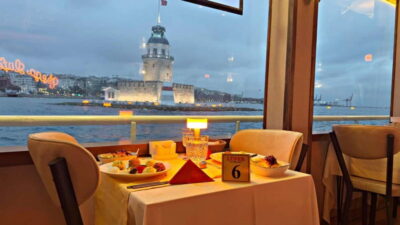
Bosphorus Dinner Cruise & Show with Private Table
Read our review →
Bosphorus Dinner Cruise with Turkish Night Show
Read our review →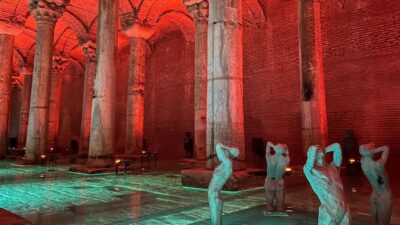
Basilica Cistern Fast-Track Entry and Audio Guide
Read our review →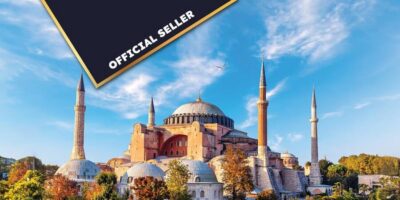
Hagia Sophia Skip-the-Line Ticket & Museum Option
Read our review →
Hodjapasha Whirling Dervishes Show & Exhibition
Read our review →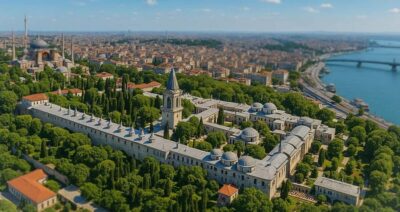
Topkapi Palace & Harem Museum Ticket & Audio Guide
Read our review →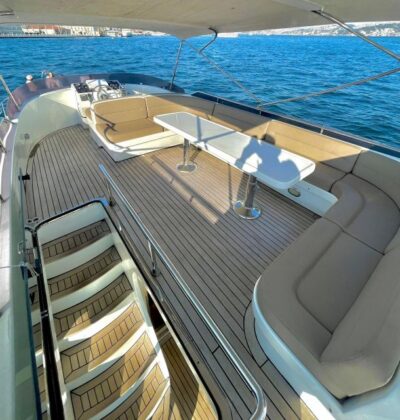
Sunset or Day Small-Group Yacht Cruise with Snacks
Read our review →