Reviewed · TOURS IN ISTANBUL
Istanbul: 48-Hour Hop-On Hop-Off Double Decker Bus Ticket
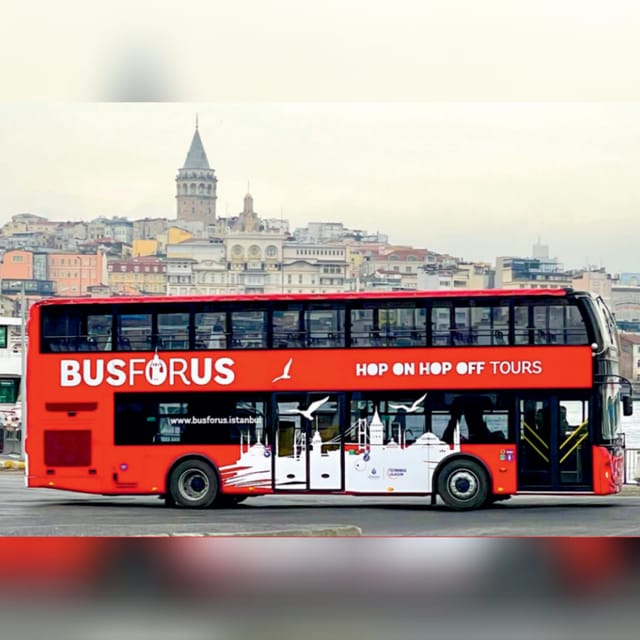
Istanbul’s great appeal is its position between Europe and Asia, and this open-top bus gives you a simple way to see the city’s broad shape before tackling it on foot. I like the 48-hour validity, which gives you a second chance if the first day is crowded, and I like the multilingual audio guide, especially when you want context without joining a walking group.
The main caution is the route design. The red and blue lines are presented as two routes, but they use the same bus and connect at stop 7, so this is not two fully separate circuits. At $84 per person, you will want to use the bus for more than one ride, and you should confirm the final departure time before getting off.
Key points to know before boarding
- The two routes are linked: The red route runs through stop 7, then continues as the blue route through stops 8 to 11.
- Your ticket lasts 48 hours: The clock starts with your first activation, not necessarily when you book.
- Stop 7 matters: It is the changeover point between the red and blue sections, using the same bus.
- The route ends where it starts: Plan your sightseeing with the starting stop in mind.
- Audio comes in eight languages: English, French, German, Russian, Spanish, Arabic, Persian, and Turkish are available.
- Crowding can vary by day: One day may be packed, especially around cruise-ship arrivals, while the next can be much easier.
A practical first look at Istanbul from the upper deck
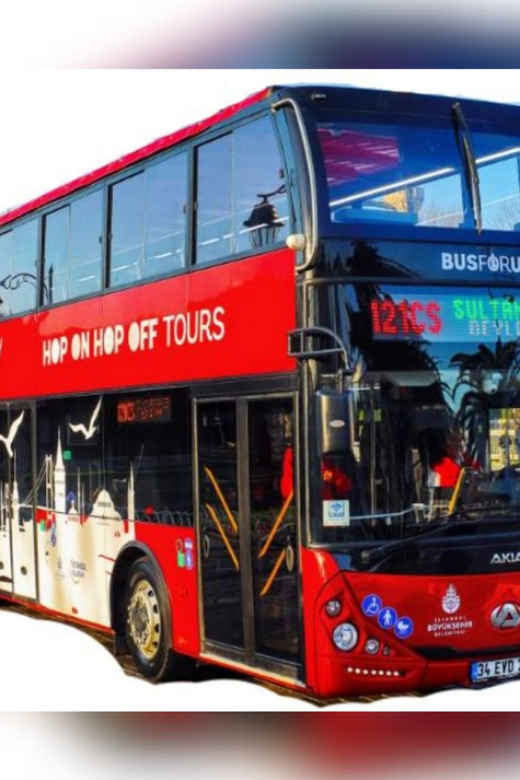
Istanbul can feel like several cities at once. The bus helps you sort out the big picture: the streets, the water, the European and Asian sides, and the main sightseeing areas all become easier to place from above. You get wide views without spending your first hours working out public transport or negotiating unfamiliar roads.
The open-top upper deck is the reason to choose this tour over an ordinary city bus. You can look across the city instead of seeing it through glass, and the raised seat gives you a better angle for photographs. The tradeoff is exposure to sun, wind, and changing weather, so bring a hat or light layer.
This is not a private guided tour. The commentary is pre-recorded, delivered through earphones, and available in eight languages. That makes the ride easy to follow at your own speed, but you should not expect a guide to answer personal questions or reshape the route around your interests.
A few more things to do in Istanbul worth a look
- Istanbul: Hagia Sophia Skip-the-Line Ticket & Museum Option
★ 3.7 · 4,958 reviews - Istanbul: Topkapi Palace & Harem Museum Ticket & Audio Guide
★ 4.1 · 3,977 reviews - Istanbul: Blue Mosque & Hagia Sophia Guided Tour w/ Tickets
★ 4.8 · 3,600 reviews
How the red and blue sections really work
The most important detail is that the red and blue routes are not two entirely separate bus lines. The bus follows the red section through stop 7. At that point, it continues along the blue section, visiting stops 8, 9, 10, and 11 before reaching the end, which is also the starting point for the red route.
That arrangement can be useful. You may be able to stay aboard and see both sections in one continuous circuit instead of changing buses. It can also be confusing if you expect to choose between two independent loops or assume a new bus will arrive at stop 7.
The published route information should therefore be read as one linked circuit with two named sections. If your main goal is a particular stop, check the route order before boarding. Keep an eye on the bus panel or timetable as well. A frustrating experience can result if you get off late in the day and discover that the last bus has already gone, even if an earlier schedule suggested a later final boarding time.
Stops 1 through 7, the red route section
The available details do not identify the attraction at each individual stop, so I would not pretend that stop 1 is a palace, stop 2 is a museum, or stop 3 is a market. Your ticket and route map are the best guides to the exact sights served. Still, the sequence matters for planning.
Stop 1: the natural starting point
Stop 1 is also the endpoint of the full circuit. It is the safest place to begin because you can hear the opening commentary, settle into the route, and learn how the bus operates before deciding where to get off.
It is also your fallback point at the end. Since the tour ends at the starting stop, do not wander far from your return route without checking the time. If you are using the bus mainly for orientation, a complete ride from stop 1 can be a sensible first move.
Same base, a different sort of day:
- Istanbul: Bosphorus Dinner Cruise & Show with Private Table
★ 4.8 · 44,561 reviews - Istanbul: Daytime or Sunset Sightseeing Cruise & Audio Guide
★ 4.8 · 14,430 reviews - Istanbul: Bosphorus Dinner Cruise with Turkish Night Show
★ 4.8 · 10,127 reviews - Best of Istanbul 1, 2 or 3-Day Private Guided Istanbul Tour
★ 5.0 · 8,922 reviews
Stops 2 and 3: useful early sightseeing choices
The early red-route stops give you a chance to break up the ride before you have spent the whole circuit on board. Use the audio commentary to decide which area deserves a closer look, rather than hopping off simply because the bus has stopped.
The value here is flexibility. You can ride past an area, note it from above, and return on the next available bus. The drawback is that your time depends on bus frequency and spare seats, particularly on crowded days.
Stops 4 and 5: plan around your priorities
By the middle of the red section, you should have a clearer sense of how fast you want to travel. If you have only one day, choose one or two stops that matter most and stay longer there. Trying to cover every stop can turn the tour into a long wait between short visits.
You can also use these stops as visual reference points. Istanbul is easier to explore once you understand how the route connects the main parts of the city. The bus is especially useful here as a moving map, even if you later continue by another form of transport.
Stop 6: watch the clock
Stop 6 is close to the route’s key changeover at stop 7, so it is a poor place to lose track of time. If you get off here later in the day, confirm when the next bus is due and when the final bus will leave.
That caution matters because the timetable and the actual operating day may not always feel perfectly aligned. One reported experience involved a passenger returning at about 3 p.m. and being told there were no more buses, despite an earlier indication that the last boarding time at stop 10 was 4:30 p.m. The practical lesson is simple: ask the driver or staff about the last full circuit before you leave the bus.
Stop 7: the route’s key junction
Stop 7 is the most important stop to understand. It is the final stop of the red section and the point where the same bus begins the blue section. You do not necessarily need to change vehicles here.
If you expected two separate lines, this arrangement may feel misleading. If you simply want to remain aboard and complete the full route, it is convenient. I would treat stop 7 as a route marker rather than a traditional transfer point.
Stops 8 through 11, the blue route section
The blue section continues from stop 7 through stops 8, 9, 10, and 11. Again, the supplied information does not name the sights at these stops, so check the current route map for the exact attraction attached to each one.
Stop 8: the first blue-route stop
Stop 8 marks the change in route labeling, not a new bus. If you have already spent time on the red section, this is a good point to decide if you want to continue seated or begin exploring on foot.
Staying aboard gives you a continuous overview. Getting off gives you more control, but only if you leave enough time to catch a later bus. On a busy day, the next bus may be full, so do not assume that a vacant seat will be waiting.
Stop 9: keep your return plan clear
Stop 9 is part of the blue run toward the final stop. It may be tempting to hop off late in the afternoon, especially if the audio commentary has pointed out an area you want to see. Before you do, check the time and remember that the circuit ends at stop 11, which corresponds to the starting point for the red route.
This is where the 48-hour ticket helps. If you activate the pass early enough on the first day, you can use the second day to revisit areas you missed. The extra day is not a guarantee against crowding or schedule changes, but it reduces the pressure to complete everything in one sitting.
Stop 10: the most important timing warning
Stop 10 deserves special care because it is near the end of the linked circuit. Do not get off here based only on a printed or photographed timetable. Ask for the day’s final boarding time, especially if cruise ships are in port or the bus has been delayed.
The route can work well when buses are running regularly. It becomes poor value if you spend most of your paid time waiting, then find you cannot complete the final section. I would use stop 10 earlier in the day unless you have confirmed the return.
Stop 11: the end of the full circuit
Stop 11 is the end of the blue section and the same location as stop 1 for the red section. In practical terms, it closes the full loop.
That makes stop 11 useful for understanding the ticket’s basic promise: you can ride a full circuit and return to where you began. It also means you should not think of the final stop as a separate destination with a new route onward. If you need to continue sightseeing after the bus finishes, make your own transport plan.
What the audio guide adds to the ride
The recorded commentary is available in English, French, German, Russian, Spanish, Arabic, Persian, and Turkish. Earphones are included, so you can select the language that suits you instead of trying to follow a live guide in a mixed-language group.
I like this format for a first ride because it fills the gaps between stops. You can look at the city while receiving basic information about the places along the route. It also lets you lower the volume or stop listening when you would rather concentrate on the view.
The limitation is that recorded commentary cannot respond to your questions. If you want detailed discussion of architecture, food, or local life, you will need to add your own walking time or another guided experience. Think of the audio as helpful background, not a full private tour.
Crowds, timing, and the 48-hour advantage
The strongest practical reason to buy the two-day ticket is flexibility. One day can be crowded, and the next can be much easier. A cruise-ship arrival can make the bus overly full, which may leave you waiting or unable to board the first vehicle that arrives.
The second day gives you room to adjust. You can use the first activation for a full circuit and broad orientation, then use the remaining time for the stops you actually want to explore. Start the ticket when you are ready to ride, since the 48-hour period begins with first activation.
The bus is reported to run punctually on good days, but you should still leave a time cushion. The operating schedule becomes especially important if you get off at a later stop. Ask about the last departure instead of relying only on a timetable panel or printed route information.
Is $84 a fair price?
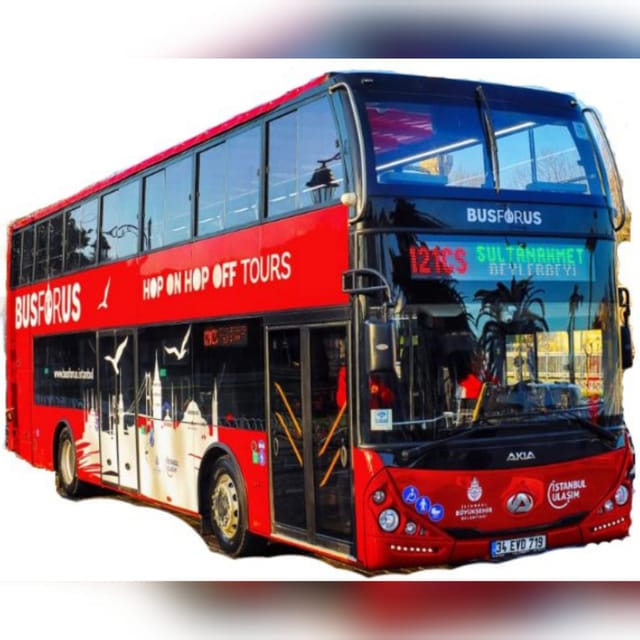
At $84 per person, this is not a cheap sightseeing ride. The value depends on how deliberately you use it. A single loop with no stops would make the price hard to defend, especially since the two route names describe one linked circuit rather than two fully separate lines.
The calculation improves if you ride on both days, use the bus to reach several areas, and treat the ticket as both transport and orientation. You are paying for an open-top double-decker, multilingual commentary, Wi-Fi, earphones, and the ability to get on and off without buying a new ticket each time.
The price is less attractive if you are comfortable navigating Istanbul on your own or mainly want a quick panoramic ride. Before booking, ask yourself how many stops you will genuinely use. The tour offers convenience, but convenience has a high price here.
Who will get the most from this bus?
I would consider this tour for a first visit, a short stay, or a cruise stop when you want a broad introduction without spending your first day working out the city’s connections. It also suits families and mixed groups because everyone can choose when to sit, listen, or get off.
The wheelchair-accessible design is useful for visitors who need that feature. The experience is not suitable for people with heart problems, according to the provided safety information. Alcohol and drugs are not allowed, and you should bring your electronic ticket.
You can cancel up to 24 hours in advance for a full refund, and the reserve-now, pay-later option keeps your plans flexible. Those policies help if your schedule is still changing, but they do not solve the main issue: making sure the operating times fit your sightseeing plans.
My recommendation: book it only with a clear plan
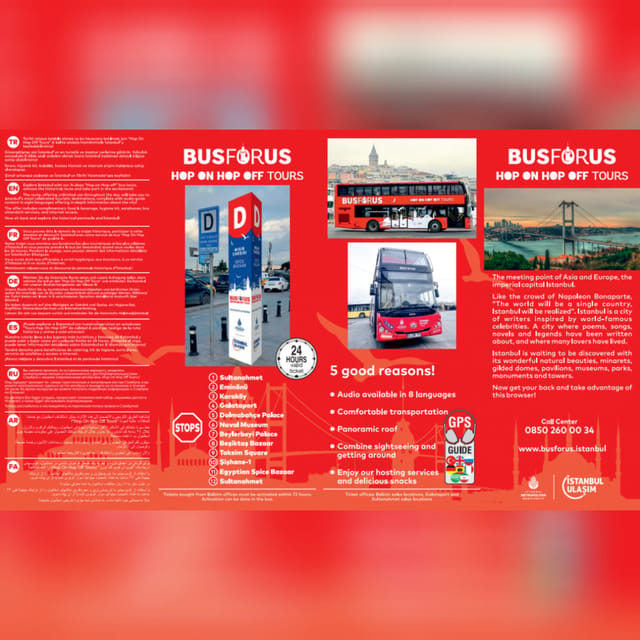
I would book this if you want an easy first look at Istanbul, value the open upper deck, and will use both days. The audio in eight languages, Wi-Fi, earphones, and wheelchair access add practical value, while the second day gives you protection against a crowded first day.
I would skip it if you expect two separate routes, want a detailed live guide, or plan to take only one short ride. At $84, you need to treat the ticket as a two-day sightseeing tool, not a one-time loop.
If you do book, begin early, ride enough of the route to understand the red and blue sections, and ask about the last bus before getting off. That small bit of planning can turn a costly, confusing ride into a useful way to get your bearings in Istanbul.
FAQ
How long is the ticket valid?
The ticket is valid for 48 hours from the time you first activate it.
Does the ticket cover two separate bus routes?
The ticket includes red and blue route sections, but they are linked. The bus runs through stop 7 on the red section, then continues through stops 8 to 11 on the blue section.
Do I need to change buses at stop 7?
No change is necessarily required. The same bus continues from the red section into the blue section at stop 7.
Where does the route end?
The route ends at the starting stop. Stop 11 on the blue section is also the same location as stop 1 of the red section.
What languages are available for the audio guide?
The audio guide is available in English, French, Russian, Spanish, Arabic, German, Persian, and Turkish.
Are Wi-Fi and earphones included?
Yes. Wi-Fi and earphones are included with the bus experience.
Is the bus wheelchair accessible?
Yes, the activity is listed as wheelchair accessible.
Can I cancel for a refund?
Yes. You can cancel up to 24 hours in advance for a full refund.
Just added in Istanbul
- Private Custom Tours in Istanbul★ 5.0 · 38 reviews
- Private Cultural Tour of Istanbul with Certified Guide★ 5.0 · 81 reviews
- Istanbul Airport Transfer Service with Private Minivan★ 4.5 · 61 reviews
- Magical Sights of Istanbul Private Walking Tour★ 5.0 · 50 reviews
- Istanbul: Princes Islands Tour with Heybeliada and Büyükada★ 4.0 · 104 reviews
- Private 4 Days Turkey Tour from Istanbul to Cappadocia, Ephesus, Pamukkale★ 5.0 · 80 reviews
- Private Airport Transfer in Istanbul★ 5.0 · 20 reviews
- Princes’ Islands Tour from Istanbul★ 3.5 · 21 reviews
Tours in Istanbul, compared.
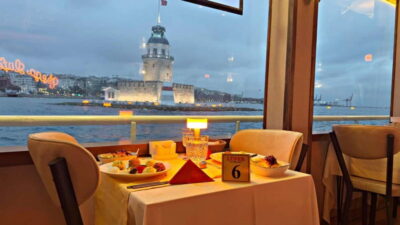
Bosphorus Dinner Cruise & Show with Private Table
Read our review →
Bosphorus Dinner Cruise with Turkish Night Show
Read our review →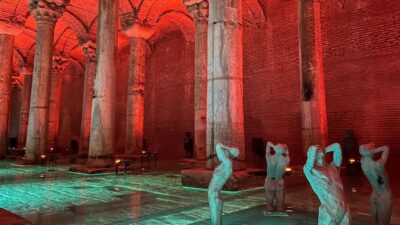
Basilica Cistern Fast-Track Entry and Audio Guide
Read our review →
Hagia Sophia Skip-the-Line Ticket & Museum Option
Read our review →
Hodjapasha Whirling Dervishes Show & Exhibition
Read our review →
Topkapi Palace & Harem Museum Ticket & Audio Guide
Read our review →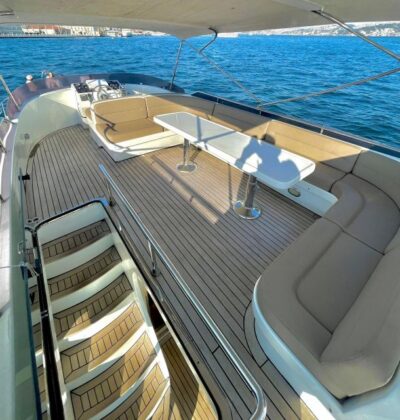
Sunset or Day Small-Group Yacht Cruise with Snacks
Read our review →