
Reviewed · GALLIPOLI & TROY TOURS
Gallipoli Day Trip from Istanbul
Gallipoli is not a quick sightseeing stop. It is a long, quiet day among battlefields, cemeteries, trenches, and memorials where Australian, New Zealand, Turkish, and other Allied forces fought in 1915. The trip’s real value is the chance to see the peninsula as one connected story, rather than a single monument.
I like the small group size, capped at 20, and the fact that lunch, entry fees, transport, and hotel pickup are bundled into the price. I also like the guides’ use of maps, wartime photographs, and letters. Guides such as Burak and Ercan Yavuz have made especially strong impressions.
The drawback is simple: the drive is very long. Expect roughly four to five hours each way, with an early start and a late return. Traffic can push the day well beyond 14 hours, so this is best for people who place Gallipoli high on their Istanbul list.
Key points to know before booking
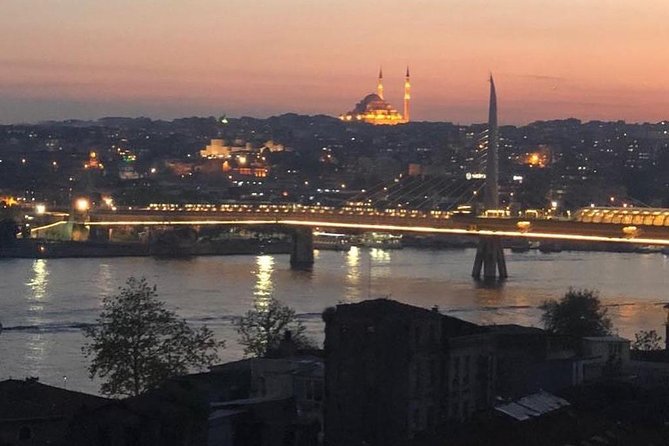
- Gallipoli in one demanding day: You leave Istanbul around 6:15 to 6:45 in the morning and may not return until late evening.
- Nine major WWI sites: The route includes ANZAC Cove, Lone Pine, Chunuk Bair, The Nek, Johnston’s Jolly, cemeteries, beaches, trenches, and Turkish memorials.
- Strong English-language guiding: Burak, Ercan Yavuz, Alp, John, and other guides have been praised for clear explanations and personal storytelling, though guide quality can vary.
- A balanced account: The history is presented through both ANZAC and Turkish perspectives, which adds useful context to familiar Australian and New Zealand stories.
- Lunch and logistics included: Transport, hotel pickup in Sultanahmet or Taksim, entrance fees, lunch, and return drop-off are covered.
- Best for history-focused visitors: If you want a relaxed day or dislike long coach rides, spend more time in Istanbul instead.
Why Gallipoli is worth the long ride from Istanbul
The Gallipoli campaign began in 1915 when Allied forces tried to seize the peninsula and reach Constantinople, the Ottoman capital. Australian and New Zealand troops landed along the western shore, expecting a campaign that would move quickly. Ottoman resistance stopped them, and the fighting continued for more than six months.
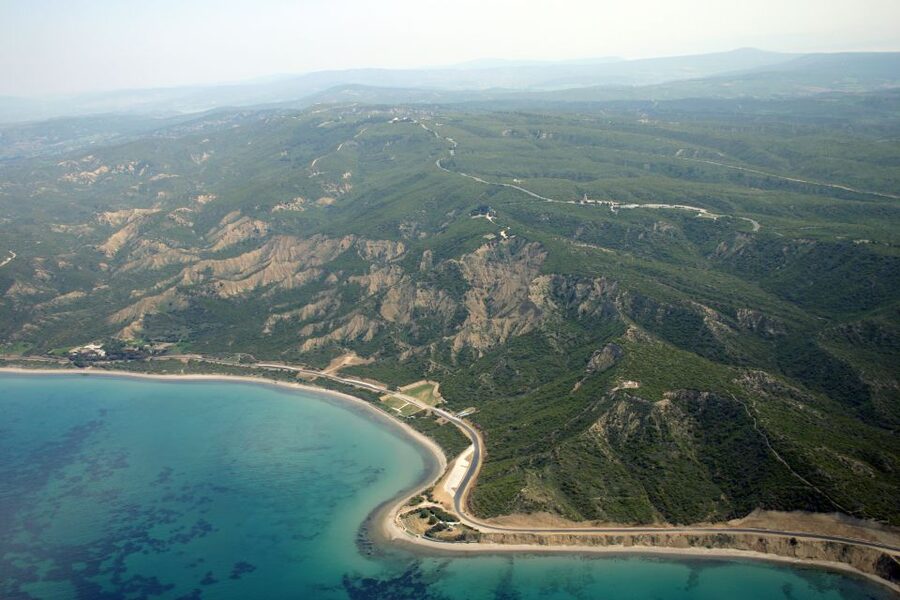
Today, the peninsula feels far removed from the violence that took place there. The hills and beaches are quiet, and the cemeteries are carefully maintained. That contrast can be powerful. You are not walking through a preserved ruin or a noisy museum. You are visiting open ground where the shape of the terrain helps explain why the fighting became so difficult.
I find the location especially useful for understanding scale. Maps and books can make ANZAC Cove, Lone Pine, The Nek, and Chunuk Bair seem like separate names. On the ground, you see how close some positions were, how steep the ridges could be, and how exposed the troops were.
The tour is particularly meaningful for Australians and New Zealanders with family connections to the campaign. One person used the visit to find a great-uncle’s grave at Lone Pine. You do not need a family link to appreciate the site, but a little preparation can make the day far more personal.
Other battlefield and ruin days from Istanbul:
- Istanbul to Gallipoli Full Day Tour with Lunch and Transfers
★ 5.0 · 567 reviews - Gallipoli Full-Day Tour from Istanbul
★ 4.9 · 468 reviews - From Istanbul: Gallipoli and Anzac Full-Day Tour
★ 4.9 · 345 reviews
The 6:15 AM start and the road south
Pickup is offered from hotels in Istanbul’s Sultanahmet old city area and Taksim. The listed meeting point is Sultan Hostel & Guesthouse near Topkapi Palace, and pickup times generally fall between 6:15 and 6:45 AM. You should provide your hotel details when booking if you want hotel pickup.
The first part of the day is mainly transport. You travel south along Turkey’s European side toward the Gallipoli peninsula in an air-conditioned, non-smoking vehicle. The ride can take around four to five hours each way, depending on the route, stops, and traffic.
There is a breakfast break in Tekirdağ, but breakfast is at your own expense. This is worth remembering because the day begins early. Bring some Turkish lira or another payment method for the stop, and use the break to stretch your legs.
One logistical point matters: the Istanbul transfer and the Gallipoli touring may not always use the same vehicle or guide. Some departures have reached Eceabat before the local guide joined the group, while the Istanbul driver did not provide much English commentary. That arrangement is workable, but you should not expect a full historical talk from the moment you leave your hotel.
The transport itself has generally been described as comfortable, with some departures using a smaller van rather than a large coach. Group size is limited to 20 people. Actual group size can be smaller, which helps at cemeteries and memorials where a quiet atmosphere matters.
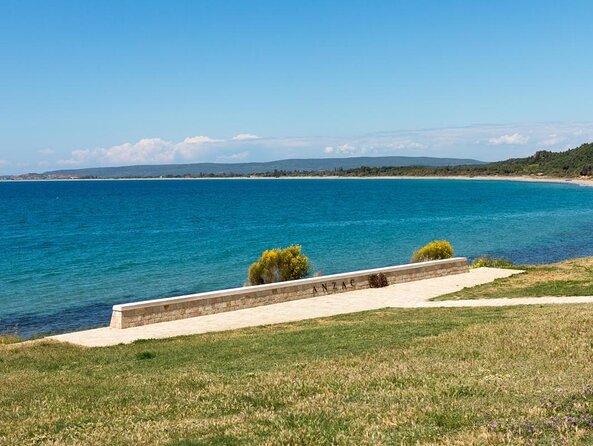
ANZAC Cove and the first landing
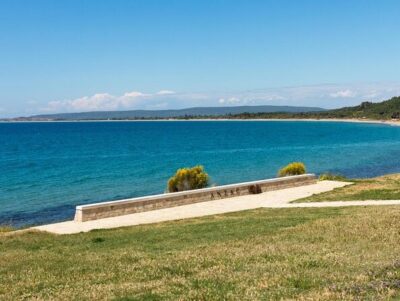
ANZAC Cove is usually the emotional starting point of the battlefield visit. Your guide explains the first-day landing and the difficult conditions faced by Australian and New Zealand troops as they came ashore.
The cove is more than a place to take a photograph. The narrow shore and surrounding ridges help you understand the tactical problem. The landing area was not the broad, easy beach many soldiers expected. Once you leave the coach, you can walk around and take in the headlands while hearing how the first hours unfolded.
This is where a good guide makes a major difference. Strong guides such as Burak have used maps, wartime photographs, and letters to connect the physical place with individual experiences. Several guides have also explained the Turkish side of the battle rather than presenting the story only through the ANZAC memory.
The visit is respectful and fairly unhurried. You get time to look around, take photographs, and think about the setting. Still, remember that this is one part of a full peninsula route. You will not have unlimited time at each location.
Lone Pine, Australia’s major memorial
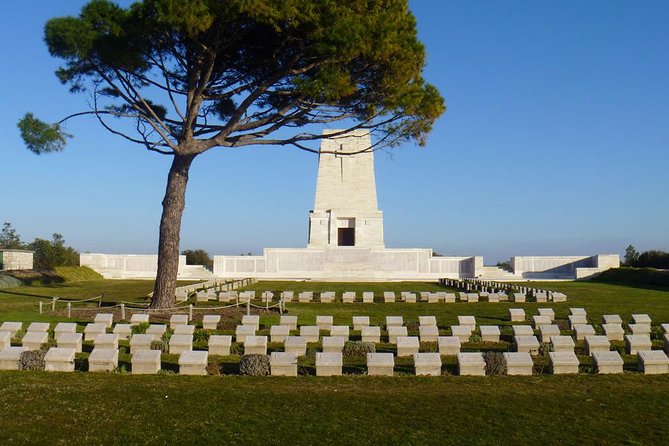
Lone Pine is one of the best-known Australian sites on the peninsula. Its name comes from the single pine tree that once grew there, and the memorial lists the names of thousands of soldiers who died in the campaign and have no known grave.
The site is important for Australians, but it also helps explain the intensity of the fighting. Lone Pine was not simply a ceremonial location. It was a contested battlefield, and the memorial gives the place a human scale through names rather than statistics.
You may have time to find a particular name, so bring any family information with you. One person used the stop to locate a great-uncle’s grave. If you have a relative connected to Gallipoli, tell the guide early in the day. The guides have shown care with personal requests, though time remains limited on a one-day route.
The cemetery and memorial are quiet places. Keep your voice low and dress for sun, wind, or changing conditions. The tour requires some walking over uneven ground, so comfortable shoes are a sensible choice.
Same base, a different sort of day:
- Istanbul: Bosphorus Dinner Cruise & Show with Private Table
★ 4.8 · 44,561 reviews - Istanbul: Daytime or Sunset Sightseeing Cruise & Audio Guide
★ 4.8 · 14,430 reviews - Istanbul: Bosphorus Dinner Cruise with Turkish Night Show
★ 4.8 · 10,127 reviews - Best of Istanbul 1, 2 or 3-Day Private Guided Istanbul Tour
★ 5.0 · 8,922 reviews
The Nek and Johnston’s Jolly trenches
The Nek is linked to one of the most tragic attacks of the campaign. Here, your guide explains how soldiers attacked from exposed positions and how the terrain, timing, and defensive fire shaped the outcome.
The site can be difficult to picture without a guide. Much of the original battlefield is now peaceful, and vegetation has softened the appearance of the ground. The explanation helps you imagine the narrow area in which troops were ordered forward.
At Johnston’s Jolly, you see original Allied and Turkish trenches and tunnels. This is one of the most useful stops for anyone who wants more than a memorial visit. The surviving earthworks show how close opposing positions could be and how soldiers lived and fought in cramped conditions.
You should expect a mix of walking, standing, and listening. There may not be a museum-style display at every stop, so the guide’s maps and photographs matter. Guides with strong English and a clear narrative can turn what looks like a low ridge or patch of ground into a readable part of the campaign.
Chunuk Bair and the New Zealand story
Chunuk Bair is the central New Zealand memorial stop. The Allies briefly captured the position but could not hold it. The site is also linked to determined New Zealand resistance and heavy losses.
For New Zealand visitors, this may be the most personal part of the day. The memorial is calm, but the account of the battle is not. A well-prepared guide explains how the ridge fit into the wider attempt to move inland from the landing beaches.
Chunuk Bair also gives you a better sense of the peninsula’s height and distances. You can look across the surrounding ground and understand why control of the ridges mattered. The stop rewards patience. Listen first, then spend a few minutes looking around without trying to rush to the next photograph.
The tour also includes the 57th Regiment Turkish Memorial. This helps keep the story from becoming a one-sided account. The Ottoman defenders were not a background detail. They fought, suffered, and died here too.
Cemeteries, beaches, and the quieter final stops
After lunch in the nearby town, the route continues to additional memorial sites and cemeteries. Lunch is included, and the food has been described as good by some people and merely adequate by others. It is practical rather than a reason to book the trip, but having a meal arranged saves time and removes another decision from a packed day.
Ari Burnu Cemetery, also referred to in the route as Burnu Cemetery, is the resting place of 252 servicemen. It is close to the ANZAC landing area and provides another reminder that the campaign involved individuals from many places, not only the famous units.
The route also passes Johnson’s Jolly trenches, Beach Cemetery, and Brighton Beach. These later stops are generally quieter and less crowded than the headline memorials. Beach Cemetery, in particular, gives the day a subdued ending before the return drive.
One point deserves clarification when you book. This route focuses on the ANZAC landing and fighting areas, with Turkish memorials included. It does not promise every Gallipoli battlefield connected to every Allied formation. If your family member served with the British 29th Division farther south, check the exact route carefully before paying.
What the guide adds to the experience
The strongest part of this tour is usually the local guide. Several guides have been praised by name, including Burak, Ercan Yavuz, Alp, John, and Ikut. Burak has been noted for his use of photographs and letters, his humor, and his ability to explain both Turkish and ANZAC viewpoints. Ercan Yavuz has been described as able to fit a great deal of information into a few hours without losing the main story.
That praise comes with an important qualification. The guide assigned to you may not be one of these people. One English-speaking departure had a guide whose command of English made questions and explanations difficult to follow. Signage in Turkish and English helped, but it did not replace a strong spoken presentation.
I would treat the guide as a major part of the value, not an incidental detail. The battlefield itself is moving, but the right guide explains why each hill, trench, cemetery, and beach matters. If your guide’s English is hard to follow, ask politely for maps, photographs, or a slower explanation at each stop.
The best guides also avoid turning Gallipoli into a simple national legend. You should hear about ANZAC courage, Ottoman defense, military mistakes, harsh conditions, and the human cost on both sides. That balance makes the visit more useful and more respectful.
The $240.15 price and what it covers
At $240.15 per person, this is not a cheap day trip. The price makes more sense when you add up the distance, vehicle, driver, guide, lunch, entrance fees, and hotel pickup and drop-off. You are paying to reach a remote peninsula without arranging several long transfers yourself.
The value is strongest if you have only one day available and want the main battlefield sites in a single outing. It is also useful if you are staying in Istanbul and do not want to manage intercity transport, local connections, and a separate guide.
The value is weaker if you dislike long rides or want time for slow reflection. A two-day Gallipoli visit would be easier on your body and would allow more time at individual sites, but that option is not this experience.
Tips for the driver and guide are not included, and travel insurance is compulsory but not included. Breakfast is also your own expense. Lunch and admission fees are included, so you can budget for the day without many extra costs.
How to prepare for a 14-hour battlefield day
Start with a proper breakfast or carry something to eat for the first road section. The official breakfast stop is paid separately, and the early pickup means you may not feel ready for a full meal immediately.
Wear comfortable shoes and clothing suitable for outdoor walking. You will move between cemeteries, memorials, beaches, and trench areas rather than spending the day indoors. Weather can affect the operation, and the tour may be rescheduled or refunded if poor weather forces cancellation.
Carry water, sun protection, and a phone charger. These are ordinary road-trip needs, but the day is long and there may be stretches between stops. If you have family names or military records, keep them easy to access.
Do not schedule an important evening activity in Istanbul. The planned return is around late evening, but traffic can change everything. One departure during a national holiday reached Istanbul around 1:30 AM instead of the expected 10 PM. That was an unusual delay, but it shows why you should leave the night open.
The experience is offered in English, and most people can participate. It is not described as a specialist mobility tour, so ask the operator about your particular needs if uneven walking is a concern.
Should you book the Gallipoli day trip?
Book it if Gallipoli is one of your main reasons for visiting Turkey, especially if you have Australian or New Zealand family connections. The route covers the key ANZAC and Turkish sites, and a strong guide can turn a difficult-to-read battlefield into a clear, human story.
I would also recommend it to history-focused people who have limited time and value convenience. Hotel pickup, a small group, lunch, and arranged transport make the remote location manageable.
I would skip it if you want a relaxed holiday day, have young children who struggle with long road trips, or need to be back in Istanbul at a fixed time. The 14-hour estimate is already demanding, and holiday traffic can extend it much further.
For most people who make the journey, the sites justify the effort. Just book with the right expectations: this is a serious day of remembrance, not a light excursion, and the long ride is part of the price of reaching Gallipoli from Istanbul.
FAQ
How long is the Gallipoli day trip from Istanbul?
The tour lasts about 14 hours. Pickup is generally between 6:15 and 6:45 AM, with a late-evening return. Traffic can make the day longer than advertised.
Where does the tour start?
The listed meeting point is Sultan Hostel & Guesthouse near Topkapi Palace in Istanbul’s old city. Hotel pickup is also available from hotels in Sultanahmet or Taksim.
Is hotel pickup included?
Yes. Pickup and drop-off are included for hotels located in Sultanahmet or Taksim. You should provide your hotel details when booking.
Is the tour conducted in English?
Yes. An English-speaking professional guide is included for the Gallipoli tour.
What sites are visited?
The route includes ANZAC Cove, Lone Pine Australian Memorial, Chunuk Bair New Zealand Memorial, The Nek, Johnston’s Jolly trenches and tunnels, the 57th Regiment Turkish Memorial, Ari Burnu Cemetery, Beach Cemetery, Brighton Beach, and other Gallipoli sites.
Is lunch included?
Yes. Lunch at a restaurant in the nearby town is included. Breakfast is not included and is purchased during the morning stop.
Are entrance fees included?
Yes. Entrance fees are included in the tour price.
How many people are in the group?
The maximum group size is 20 people. Some departures may have fewer participants.
Can the tour be canceled because of weather or low demand?
Yes. Poor weather or failure to reach the minimum number of participants can lead to cancellation. In those cases, you may be offered another date or experience, or a full refund. The booking is otherwise non-refundable and cannot be changed for personal reasons.
Just added in Istanbul
- Private Custom Tours in Istanbul★ 5.0 · 38 reviews
- Magical Sights of Istanbul Private Walking Tour★ 5.0 · 50 reviews
- Private Cultural Tour of Istanbul with Certified Guide★ 5.0 · 81 reviews
- Istanbul Airport Transfer Service with Private Minivan★ 4.5 · 61 reviews
- Private Airport Transfer in Istanbul★ 5.0 · 20 reviews
- Istanbul: Princes Islands Tour with Heybeliada and Büyükada★ 4.0 · 104 reviews
- Private 4 Days Turkey Tour from Istanbul to Cappadocia, Ephesus, Pamukkale★ 5.0 · 80 reviews
- Princes’ Islands Tour from Istanbul★ 3.5 · 21 reviews
Gallipoli & Troy Tours, compared.
Istanbul to Gallipoli Full Day Tour with Lunch and Transfers
Read our review →
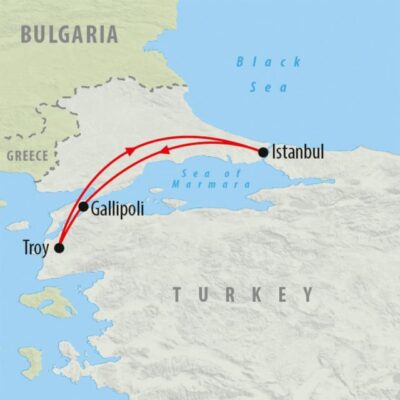
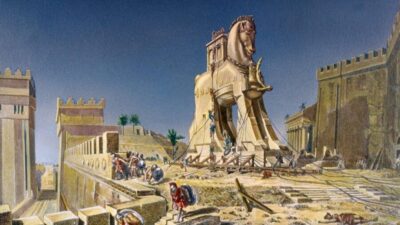
Istanbul to Gallipoli, Canakkale and Troy. 2 Day Tour with Hotel
Read our review →
Istanbul to Truva Troy Guided Day Tour with Lunch and Transfers
Read our review →
Troy Guided Bus Tour with Ferry Tickets & Lunch
Read our review →Browse the lists this tour appears in