
Reviewed · GALLIPOLI & TROY TOURS
Canakkale: 6-Hour Gallipoli Tour with Lunch
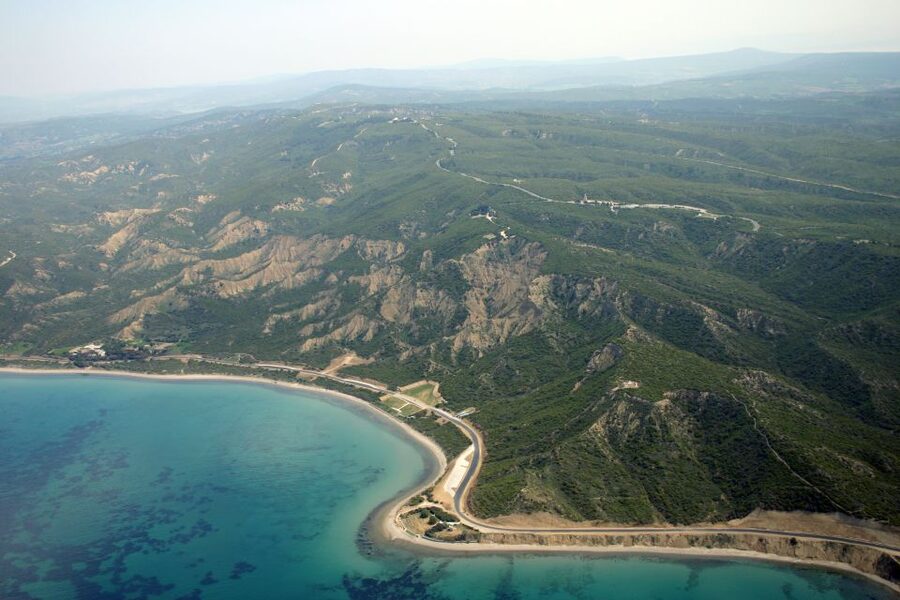
Gallipoli is not simply a collection of memorials. It is a place where a beach, a ridge, or a patch of scrub can explain the entire 1915 campaign. This six-hour tour takes you from Çanakkale across the Dardanelles to ANZAC Cove, Lone Pine, Johnston’s Jolly, and Chunuk Bair, with a guide who connects each stop to the soldiers who fought there.
I like the small minivans, which are easier to hear and manage than a large coach, and I like the way the best guides, including Burak, Charlie, Ibo, and Hasan, explain both the ANZAC and Turkish sides. The main drawback is time: the included one-hour lunch comes before the battlefield visit, and some people would rather use that hour at Gallipoli.
Key points to know before booking
- The tour begins with a 25-minute ferry ride across the Dardanelles, adding useful context before you reach the peninsula.
- Lunch is served in Eceabat, with a simple local meal that commonly includes soup, meat, rice, and fruit. Drinks cost extra.
- ANZAC Cove and Brighton Beach help you understand the intended landing plan and what actually happened on April 25, 1915.
- Lone Pine, Johnston’s Jolly, and the 57th Regiment Turkish Memorial give the campaign a human scale through names, graves, trenches, and memorials.
- Chunuk Bair is the final major stop, linking the New Zealand assault to Mustafa Kemal’s counterattack.
- The $81 price includes transport, ferries, lunch, and an English-speaking guide, but not drinks or hotel pickup and drop-off.
Why this six-hour Gallipoli tour works
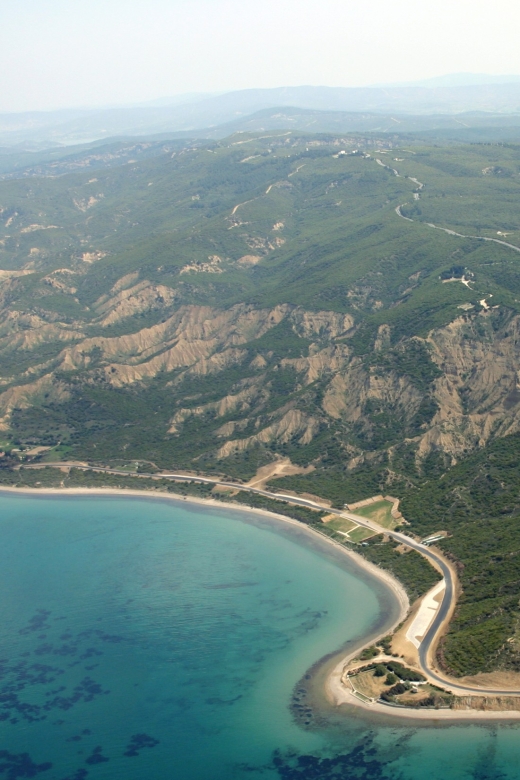
Gallipoli can be confusing on your own. The peninsula is broad, the roads wind through low hills, and the key positions are spread across a large area. A map helps, but a good guide explains why a small ridge mattered, how far troops had to move, and why the fighting stalled so quickly.
That is the real value here. You are not just ticking off memorials. You are following the campaign in order, from the planned landing area to the actual ANZAC landing, then up toward the ridges and the final struggle for Chunuk Bair.
The tour costs $81 per person. For that, you get the ferry in both directions, ground transport, lunch, and roughly four and a half hours of guided sightseeing on the peninsula. I consider that fair value, especially if you have only one day in the area or do not want to arrange several taxi rides.
The tradeoff is that this is an introduction, not an exhaustive study of Gallipoli. One half-day gives you the best-known sites, but it cannot cover every cemetery, trench, memorial, and walking route.
Other battlefield and ruin days from Turkiye:
- Istanbul to Gallipoli Full Day Tour with Lunch and Transfers
★ 5.0 · 567 reviews - Gallipoli Full-Day Tour from Istanbul
★ 4.9 · 468 reviews - From Istanbul: Gallipoli and Anzac Full-Day Tour
★ 4.9 · 345 reviews
Meeting in Çanakkale and crossing the Dardanelles
The usual start is around 10:45 in front of the Tourist Information Center at the ferry harbor in Çanakkale. If you are staying at a city-center hotel, pickup may be arranged between 10:45 and the start of the tour. Hotels farther out use a central meeting point near the ferry.
This arrangement is simple, but you need to pay attention to the exact meeting instructions. Hotel pickup and drop-off are not included as a general feature, and the listed return points include several Çanakkale hotels as well as the ferry pier.
The ferry crossing takes about 25 minutes. It is a short ride, but it gives you a useful geographical lesson: Gallipoli is separated from Çanakkale by the Dardanelles, the narrow waterway that made the peninsula strategically important.
You are escorted to the ferry rather than left to work out the crossing alone. That matters because the tour uses public ferry transport as part of the route, and the handoff between ferry, lunch, and minivan needs to run on time.
Lunch in Eceabat before the battlefields
After crossing, you arrive in Eceabat, known in ancient times as Madytos. Lunch at a local restaurant follows, and the scheduled meal lasts about an hour.
The meal is straightforward rather than fancy. A typical plate described by guests included lentil soup, chicken and beef with rice, watermelon, and water. You can order other drinks, but they are not included in the tour price.
I see both sides of the lunch arrangement. If you have come directly from Istanbul or have not eaten, it is convenient and filling. It also gives the group time to gather before the battlefield visit.
If you have eaten breakfast late, the timing may feel less useful. Several people felt the hour would have been better spent at the sites, especially because the tour begins around 10:45 and reaches the battlefield after lunch. In hot weather, an earlier start would also be easier.
The lunch is therefore a practical part of the package, not a reason to book the tour. If you are comparing options, look for a tour without lunch if you prefer more time at the memorials.
Brighton Beach and the plan for April 25
From Eceabat, the minivan takes about 15 minutes to reach the Gallipoli battlefields. The first area introduces the landing plan and the difficult terrain that shaped the campaign.
Brighton Beach was intended to be the main landing site on April 25, 1915. ANZAC troops were supposed to come ashore here and move inland. Instead, the landing took place farther north at ANZAC Cove, where the terrain quickly made movement harder.
This is an important early stop because it shows the difference between a military plan and the reality on the ground. The campaign was not fought across an open, easy beach. Hills, ridges, narrow routes, and defensive positions changed the outcome almost immediately.
Your guide should provide the map-based explanation that makes this clear. Guides such as Burak, Charlie, Ibrahim, Orkan, and Hasan have been singled out for using maps, linking locations together, and explaining the decisions made by both forces.
Same base, a different sort of day:
- Istanbul: Bosphorus Dinner Cruise & Show with Private Table
★ 4.8 · 44,561 reviews - Istanbul: Daytime or Sunset Sightseeing Cruise & Audio Guide
★ 4.8 · 14,430 reviews - Istanbul: Bosphorus Dinner Cruise with Turkish Night Show
★ 4.8 · 10,127 reviews - Best of Istanbul 1, 2 or 3-Day Private Guided Istanbul Tour
★ 5.0 · 8,922 reviews
ANZAC Cove and Ariburnu Cemetery
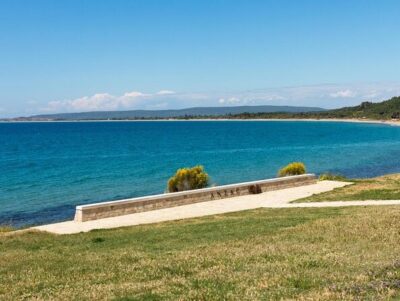
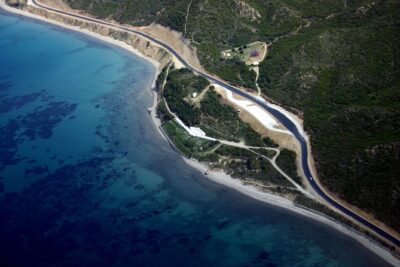
ANZAC Cove is the emotional center of the tour. This is where Australian and New Zealand troops first landed on April 25, 1915.
The cove is not a grand ceremonial space. Its importance comes from the contrast between the physical setting and the scale of the event. Looking at the beach and the slopes above it helps you understand how quickly the landing area narrowed and why the troops faced such a difficult climb.
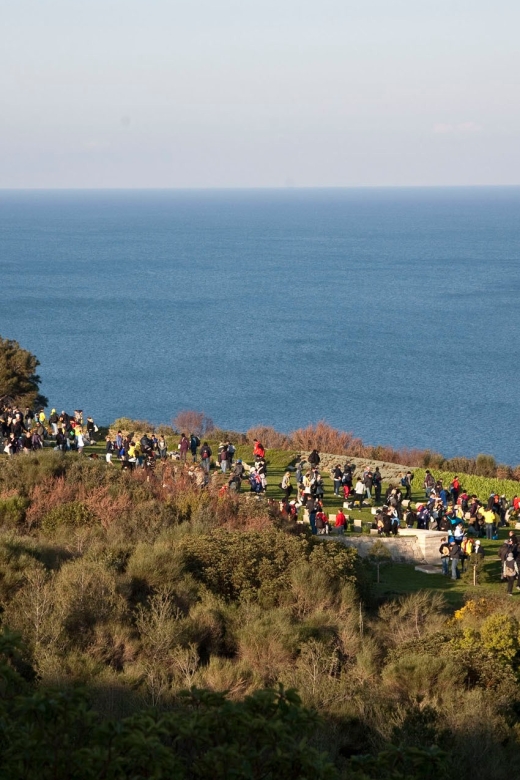
At the northern end of the cove, Ariburnu Cemetery provides a quiet place to pause. Cemeteries here are carefully maintained, and the names and dates make the campaign personal. The guide’s role is especially useful at this point because the surrounding hills can look peaceful now, while the military situation in 1915 was confused, violent, and fast-moving.
This is also a good time to ask questions about family connections. Guides have helped visitors locate relatives on memorials, including great-uncles and other family members. If you have names to check, bring the spelling and basic details with you.
Second Ridge and the surviving trench lines
The route then climbs from the beaches toward Second Ridge. This is where the Allied advance was stopped on the first day, and where the front line remained for about seven months.
The road follows the ridge, with former Allied and Turkish trench lines visible on both sides. You will not see a battlefield frozen in time, but the ground still gives the history shape. A ridge that seems modest from a vehicle can explain why one side could hold its position and why the other struggled to move forward.
This is one of the best parts of a guided visit because a short stop can otherwise seem vague. A guide can point out the direction of the opposing lines and show how close they were. Several guides have been praised for giving enough explanation without talking nonstop, then allowing quiet time at each location.
The minivans are useful here. Groups are generally split into smaller vehicles, sometimes around 15 people or fewer, instead of being kept together in a large bus. That usually makes it easier to hear, although sitting at the back can still make commentary difficult when the air conditioning is running.
Lone Pine and the Australian memorial
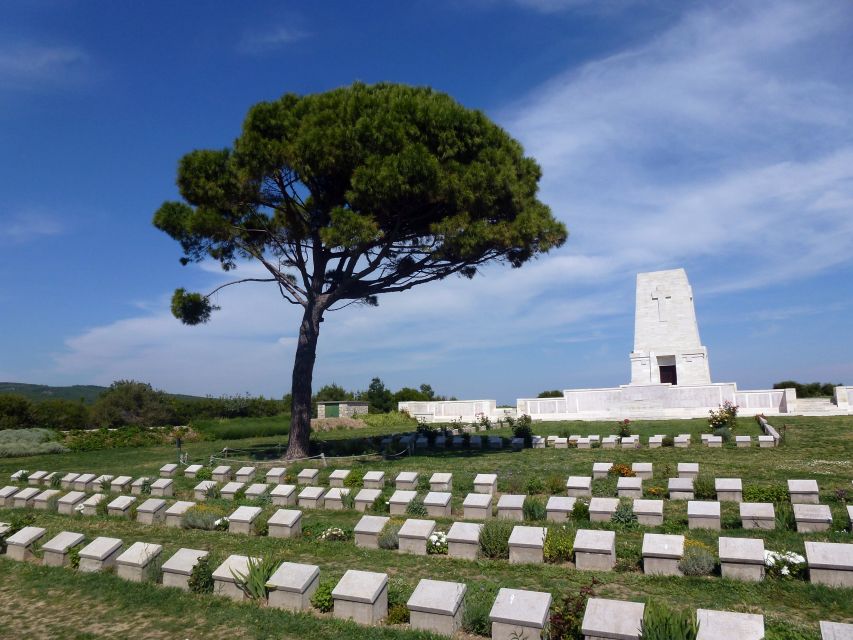
Lone Pine is one of the most important Australian sites on the peninsula. The Australian memorial commemorates almost 5,000 Australians who have no known grave.
The memorial gives the campaign a scale that individual graves cannot. It also helps you understand the cost of the fighting around the ridge, where the battle became a struggle for small pieces of ground rather than a quick advance.
Your guide will explain the Australian connection, the fighting in the area, and how the memorial fits into the wider campaign. Guides who use humor do so carefully here. The subject is painful, but a warm and human presentation can help a group stay focused during a long day of difficult history.
If you have Australian family ties, allow yourself time to read the names. The official schedule is tight, so you may not be able to search every panel at length. That is one reason some people return independently the next day.
Johnston’s Jolly and the abandoned trenches
At Johnston’s Jolly, you can walk through abandoned trench lines and see tunnel entrances. This is among the most tangible stops because the ground itself gives you something to examine.
Trenches are easy to treat as an abstract feature in a history book. Here, their position and closeness to the opposing lines help explain the nature of the fighting. The visit does involve walking on uneven ground, so sensible footwear is useful even though the tour is not described as a long hike.
The guide should keep the stop focused. You will have time to look around, but not the freedom to spend an entire afternoon following every trail. That balance works for a first visit, though anyone with a strong interest in military history will want extra time on the peninsula.
The 57th Regiment Turkish Memorial
The 57th Regiment Turkish Memorial brings the Ottoman side of the campaign into the center of the tour. Gallipoli is often introduced through ANZAC memory, but this was also a major Turkish victory and a defining event in modern Turkish history.
A good guide presents both viewpoints without turning the visit into a one-sided national story. The strongest guides explain how Ottoman troops defended the peninsula, how the front developed, and how the campaign is remembered in Turkey.
This even-handed approach is one of the tour’s greatest strengths. Visitors from Australia and New Zealand can learn about the forces they came to honor, while Turkish visitors can place their own national story beside the ANZAC account. The tone remains respectful, with humor used only when it suits the moment.
Chunuk Bair and the final stop
The tour closes at Chunuk Bair, one of the highest points on the peninsula and the site of the New Zealand National Memorial.
New Zealand troops captured the hill in August and held it for two days before Ottoman forces retook it under Mustafa Kemal. Kemal later became the first president of modern Turkey. The struggle for Chunuk Bair was among the fiercest of the campaign, and the memorial lists more than 850 New Zealand soldiers who died in the area.
Ending here makes sense. The recapture of Chunuk Bair ended Allied hopes of winning at Gallipoli, so the stop gives the campaign a clear final chapter rather than leaving you with a random collection of sites.
You should expect the final visit to feel serious. It is also the point where the guide can bring together the landing, the stalled advance, the ridge fighting, and the failed August offensive. The battlefield becomes a connected story instead of a series of names.
Guides, group size, and the pace
The guide makes or breaks a tour like this. The company uses English-speaking guides, and named guides such as Burak, Charlie, Ibo, Ibrahim, Hasan, Orkan, Bulent, Okan, and Çağrı have received particularly warm praise for clear explanations, strong local knowledge, and humor suited to the group.
You cannot usually choose your guide, so treat these names as examples of the guiding style rather than a guarantee. What you can expect is a professional guide who explains the campaign at each stop and answers questions in English.
The tour is organized around air-conditioned, non-smoking transport. The small vans are a practical advantage in hot weather and on narrow battlefield roads. Bring water, since drinks are not included with lunch and water on the vehicle is not guaranteed.
The schedule is fairly tight. The ferry rides and lunch take about two hours total, leaving roughly four and a half hours for the peninsula. You will see the major sites, but some stops may feel short if you want to read every inscription or walk farther along the trails.
Who should book it
I would choose this tour if you are visiting Gallipoli for the first time, have limited time, or want the campaign explained in a clear sequence. It is especially useful for Australians and New Zealanders visiting family memorials, but the balanced Turkish perspective makes it worthwhile for visitors from any country.
Families can manage the route, and the tour has worked well for mixed-age groups. Still, children who are not interested in military history may find the long explanations and solemn memorials demanding.
If you have two days, the best plan is to take the guided tour first and return independently the next day. The guide gives you the framework. A second visit lets you slow down, follow a family connection, or spend longer at the trails and cemeteries that matter most to you.
Practical value and final advice
The $81 cost is reasonable for a ferry-based day trip with lunch, transport, and a specialist guide. You are paying mainly for the explanations and the efficient route, not for luxury. The air-conditioned minivan is comfortable, but the lunch is basic and drinks are extra.
Book it if you want the main Gallipoli story in one well-organized half-day. Skip it only if you already know the peninsula well, dislike group schedules, or would rather spend the whole day walking and reading at your own pace.
For most first-time visitors, I would book the tour, bring water, wear comfortable shoes, arrive early at the Tourist Information Center, and keep the next day free if Gallipoli is a major reason for your visit.
FAQ
How long does the Gallipoli tour last?
The tour lasts about six hours, including the ferry crossings, lunch in Eceabat, and approximately four and a half hours on the Gallipoli Peninsula.
Where does the tour start?
The meeting point is in front of the Tourist Information Center at the ferry harbor in Çanakkale. City-center hotel pickup may be available around 10:45 AM.
Is hotel pickup included?
Hotel pickup and drop-off are not generally included. Pickup may be arranged from city-center hotels, while guests staying farther away may be given a central meeting point near the ferry harbor.
Is lunch included?
Yes. Lunch at a local restaurant in Eceabat is included. Drinks other than the provided meal service are not included.
Which memorials and battlefields are visited?
The route includes Brighton Beach, ANZAC Cove, Ariburnu Cemetery, Lone Pine Australian Memorial, Johnston’s Jolly, the 57th Regiment Turkish Memorial, and Chunuk Bair with the New Zealand National Memorial.
What language is the tour conducted in?
The tour is conducted in English with a live English-speaking guide.
Can I cancel the booking?
You can cancel up to 24 hours before the activity for a full refund. A reserve-now-and-pay-later option is also available.
Just added in Turkiye
- City of Side: Fire of Anatolia Dance Show Ticket & Transfer★ 4.8 · 19 reviews
- From City of Side: Antalya Aquarium Tour, Ticket & Transfer★ 4.3 · 115 reviews
- From City of Side: Sapadere Canyon Tour with Pickup & Lunch★ 4.2 · 41 reviews
- From Marmaris: Pamukkale Evening Tour with Transfer & Dinner★ 4.2 · 84 reviews
- From city of Side: Guided Day Trip to Alanya City★ 4.0 · 150 reviews
- From City of Side: Visit to Ormana Village & Altinbesik Cave★ 4.6 · 189 reviews
- From City of Side: Alanya Tour with Lunch, Boat & Cable Car★ 4.3 · 49 reviews
- From Marmaris: Day Trip by Glass Bottom Semi Submarine★ 4.7 · 129 reviews
Gallipoli & Troy Tours, compared.
Istanbul to Gallipoli Full Day Tour with Lunch and Transfers
Read our review →

6 Days Turkey Tour Cappadocia, Pamukkale, Ephesus, Gallipoli Troy
Read our review →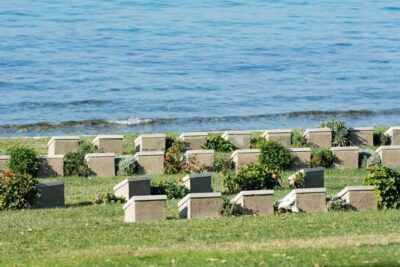
Gallipoli ANZAC Battlefields Tour from Canakkale
Read our review →Browse the lists this tour appears in