Reviewed · TOURS IN ISTANBUL
Fener and Balat – Old Greek & Jewish Quarter
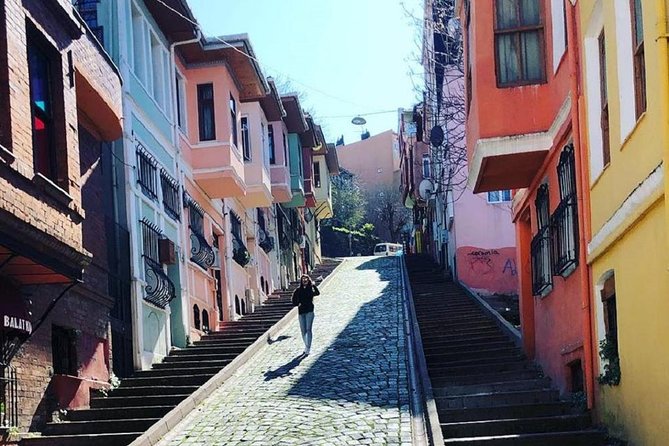
Fener and Balat show you an Istanbul far removed from the grand mosques and packed lanes around Sultanahmet. Here, colorful wooden houses, steep cobblestone streets, old churches, neighborhood cafés, and everyday family life tell the story of communities that lived side by side for centuries. The small group, capped at 10 people, keeps the walk personal, and some departures have become private tours when only one person books.
I like the way the tour links history with useful city skills. You walk through former Greek and Jewish quarters, then learn how to use Istanbul’s tram, ferry, bus, and cable car system. I also like the small local touches, such as tea, Turkish treats, homemade lemonade, salep, or a snack such as kir pidesi, depending on the guide and day.
The main drawback is physical: this is not a flat, easy stroll. You may cover about 11,000 steps, climb hills, and walk narrow cobbled streets and colorful stairways. The pace can also feel quick if you want to stop for photographs at every corner.
Key points to know before booking
- The route reaches beyond the usual old-city sights, focusing on Fener, Balat, the Golden Horn, and Pierre Loti.
- Guides may include Salih, Omar, Önder, Burak, or Sahli, with the exact guide assigned for your date.
- The history covers several communities, including Greek, Jewish, Christian, and Muslim residents of Istanbul.
- Public transport becomes part of the lesson, with practical help for trams, ferries, buses, and the cable car.
- Expect hills and plenty of walking, including narrow streets, cobblestones, and steps.
- The $60.34 price is strongest value in a small group, especially if the group remains tiny or becomes private.
Why Fener and Balat feel different from Sultanahmet
Most first-time visits to Istanbul center on the Blue Mosque, Hagia Sophia, Topkapi Palace, and the Grand Bazaar. Those places matter, but they show you Istanbul through its monumental face. Fener and Balat offer something more ordinary and more revealing: residential streets where old houses, laundry, small shops, cats, cafés, and places of worship share the same blocks.
The neighborhoods sit along the Golden Horn, the inlet separating parts of historic Istanbul from the northern side of the city. Their story is tied to Constantinople and later Ottoman Istanbul, including the long presence of Greek Orthodox and Jewish communities. Muslims and Christians also lived in the same wider districts, and the buildings still hint at those layers.
You will not simply look at façades and move on. The guide explains why the streets look the way they do, how architectural styles changed during the nineteenth and twentieth centuries, and how the fall of Constantinople fits into the larger story of the area. That context is what makes a painted house or church entrance more than a photo stop.
Other trips people book in Istanbul:
- Istanbul: Bosphorus Dinner Cruise & Show with Private Table
★ 4.8 · 44,561 reviews - Istanbul: Daytime or Sunset Sightseeing Cruise & Audio Guide
★ 4.8 · 14,430 reviews - Istanbul: Bosphorus Dinner Cruise with Turkish Night Show
★ 4.8 · 10,127 reviews
Starting at Rüstem Paşa and meeting the guide
The tour starts at İtimat Fabrika Satış Yeri in Rüstem Paşa, in Istanbul’s Fatih district, at 2:00 pm. The meeting point is near public transportation, which helps if you are coming from the waterfront, the old city, or another part of central Istanbul.
Arrive with your phone charged and your transport plan ready. The exact meeting-point name can be a little awkward to locate, so allow extra time rather than cutting it close. Guides have helped people who lost their way on the tram, and some have assisted with the journey home after the tour, but you should still aim to reach the starting point independently and on time.
The group limit is 10 people. That matters here. Fener and Balat are made up of tight streets and small viewpoints, so a large coach group would be clumsy. A smaller party can gather around the guide without blocking the lane, ask questions, and adjust the pace when there is something worth seeing.
The guide names associated with this experience include Salih, Omar, Önder, Burak, Barak, and Sahli. Their style may differ, but the strongest pattern is clear: you need a guide who can explain ethnic and religious history in good English, not just point out colorful houses. English is the offered language, and one poor experience was linked to a language barrier, so clear English matters if the historical side of the tour is your main reason for booking.
Fener Rum Patriarchate and the Greek quarter
The first major stop is Fener Rum Patrikhanesi, the Greek Orthodox Patriarchate. This gives the walk a serious historical starting point. The surrounding streets once formed an important Greek Orthodox center, and the buildings here help explain how religious communities shaped Istanbul long after the city became Ottoman.
Your guide connects the Patriarchate with the wider story of Constantinople, the Ottoman period, and the city’s changing population. This is not a quick photo stop with a label and a date. You get a clearer sense of how religious identity, schooling, trade, and neighborhood life worked together.
The value of having a guide is especially clear here because the area does not always explain itself. A weathered wall or modest entrance can carry more meaning than a grand monument, but only if someone provides the background. Salih and Önder have been especially praised for giving context rather than rushing from one sight to the next.
Do not expect an elaborate interior visit to every religious building. The experience is primarily a walking tour through the neighborhoods, with selected church stops. Dress and behave respectfully around places of worship, and follow the guide’s instructions about where you may enter.
Balat’s colorful houses and steep lanes
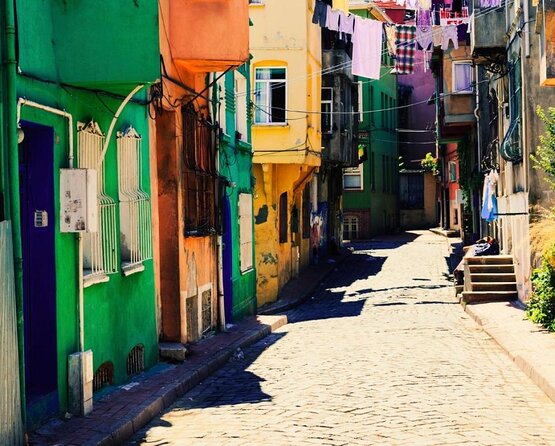
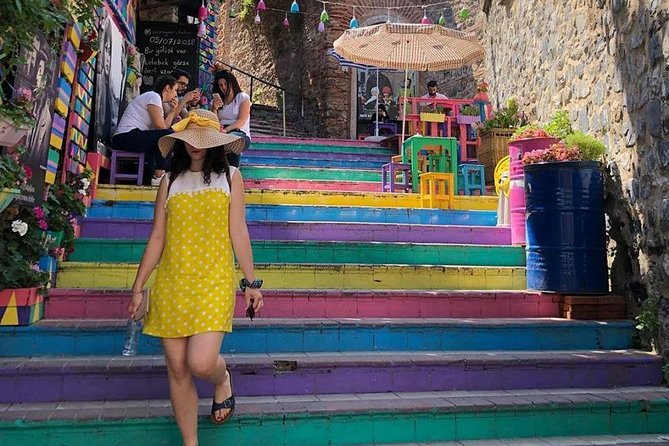
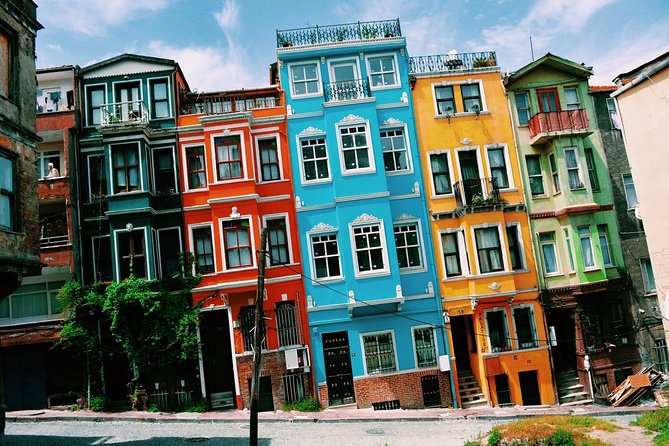
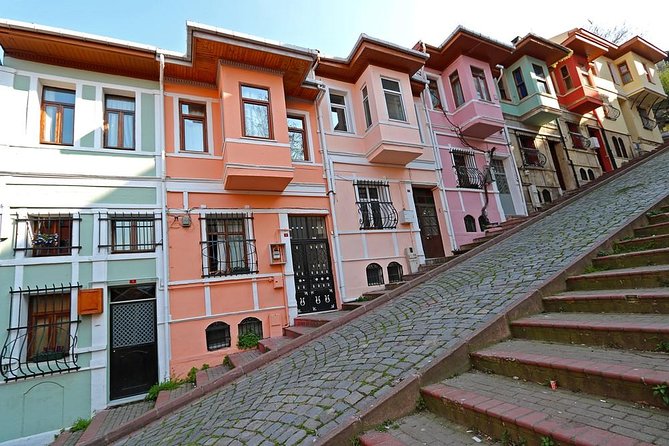
Balat is the most immediately photogenic part of the walk. Its painted houses and colorful steps have become popular subjects, but the tour tries to place those images in the setting of a living neighborhood. You see residential streets, local people going about their day, small cafés, and the famous cats that seem to treat the whole district as their own.
The houses are not all preserved museum pieces. Some look carefully restored, while others show wear. That mix is part of the appeal. You see how older Ottoman-era homes and later nineteenth- and twentieth-century buildings sit beside newer repairs and ordinary urban clutter.
This is where comfortable footwear becomes essential. The streets can be narrow and uneven, with hills, steps, and cobblestones. One person recorded about 11,000 steps during the three-hour walk, while another described the route as manageable but not easy for older relatives. You do not need athletic ability, but you should be comfortable walking continuously and climbing several slopes.
Photography deserves a note of its own. You will get strong images, especially around the colorful stairs and houses, but this is not a slow photography workshop. The group keeps moving, and the guide has a story to tell. If you want carefully composed shots, tell the guide early and use breaks wisely.
Same base, a different sort of day:
- Best of Istanbul 1, 2 or 3-Day Private Guided Istanbul Tour
★ 5.0 · 8,922 reviews - Istanbul: Basilica Cistern Fast-Track Entry and Audio Guide
★ 4.6 · 7,521 reviews - Istanbul: Hagia Sophia Skip-the-Line Ticket & Museum Option
★ 3.7 · 4,958 reviews - Istanbul: Hodjapasha Whirling Dervishes Show & Exhibition
★ 4.4 · 4,790 reviews
The Bulgarian Orthodox Church and the Iron Church
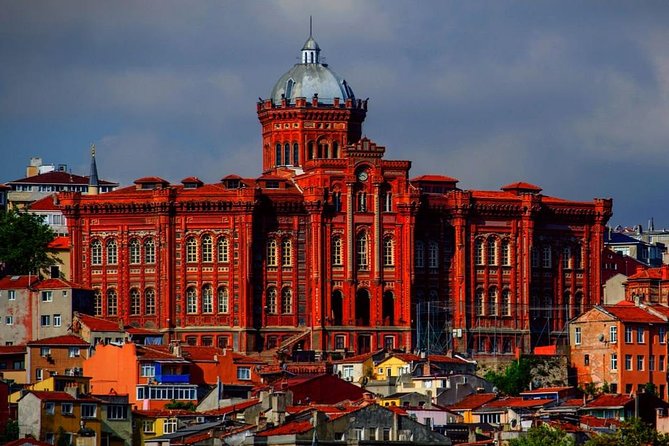
The Bulgarian Orthodox Church is one of the named stops. The church adds another religious and national layer to the route, showing that Fener and Balat cannot be understood through one community alone. Greek, Bulgarian, Jewish, Muslim, and other Christian connections all form part of the district’s story.
The Iron Church is also visited on some versions of the walk, based on the day’s route and guide decisions. One guide adjusted the plan when a participant specifically wanted to see it. This points to a useful strength of a small group: you can ask questions and sometimes shape the afternoon instead of following a rigid procession.
Still, do not treat every optional adjustment as guaranteed. The published stops specifically include the Bulgarian Orthodox Church, while the Iron Church appears in accounts of certain departures. Ask at the start if it is included on your date.
These religious sites are valuable because they move the tour beyond the standard Ottoman palace and mosque circuit. You see how Istanbul’s identity was built through many communities, institutions, and memories. That is also why the quality of the guide matters so much. Without explanation, the stops may look like attractive old buildings. With good interpretation, they become evidence of how the city worked.
Walking beside the Golden Horn
The Golden Horn gives the route breathing room after the tight lanes of Fener and Balat. You walk beside the water while the guide explains the inlet’s role in Istanbul’s development and discusses the fall of Constantinople. The setting helps connect neighborhood history with the city’s military and commercial past.
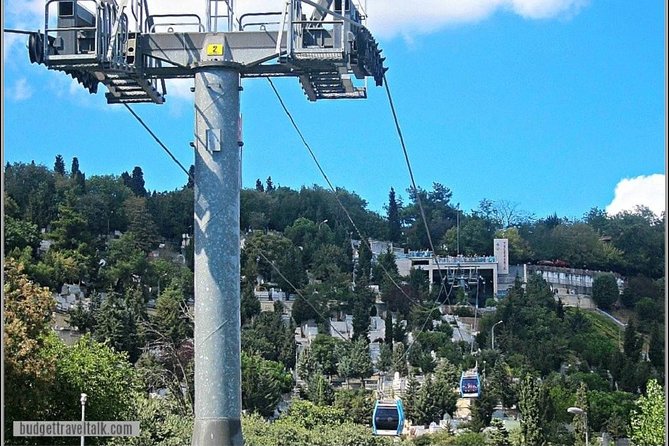
The route may include public transport, and this is more than a change of scenery. Depending on the departure, you may use a tram, bus, ferry, or cable car. One particularly useful feature is the guide’s help with tickets and connections. That can make the rest of your Istanbul visit easier, especially if you are still learning how the city’s transport network fits together.
A ferry ride can be a memorable part of the afternoon. One participant enjoyed trying salep while crossing the water, while other stops have included tea or Turkish sweets. These details are not promised as a fixed menu, so think of them as likely local breaks rather than included meals.
The Golden Horn section also shows why this tour is useful early in a trip. You learn where parts of the city sit in relation to one another, how to move between districts, and how the waterfront connects the historic core with neighborhoods farther north. The guide may also help you find your way back to your hotel, ship, or next connection, though your final journey remains your responsibility.
Pierre Loti Café and the afternoon view
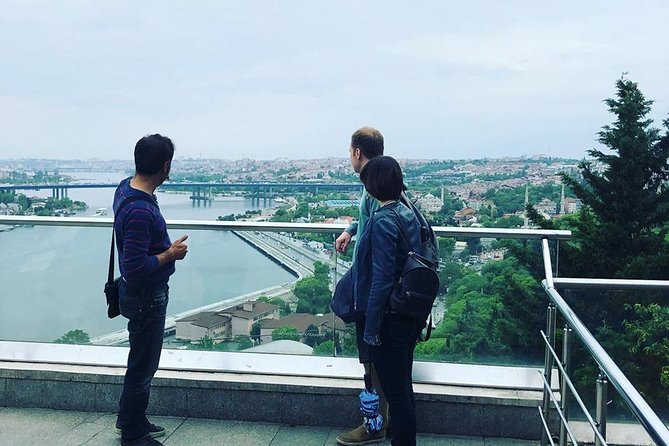
Pierre Loti Café is one of the tour’s most appealing finishes. Set on the hill above the Golden Horn, it gives you a broad view after the close streets and long walk below. The route to the café involves a hill and may include the cable car, so this is not a completely effortless viewpoint.
The stop works best as a pause rather than a grand attraction. You can sit with tea and take in the view while the guide continues the conversation about Istanbul. Some departures have included Turkish treats, lemonade, or a rooftop café break instead. The exact refreshment and setting can vary, but the point is consistent: the afternoon includes time to sit, reset, and absorb what you have seen.
The view is not of the Bosphorus in the strict sense, so pay attention to the wording when planning your expectations. The café looks over the Golden Horn. That is still a strong urban panorama, especially after walking through the nearby districts.
If you are interested in food, ask the guide about local snacks. Kir pidesi has been singled out as a worthwhile thing to try. Salep and Turkish tea have also featured in the experience. These small tastes give the tour more local character than a route made only of monuments.
What the $60.34 price buys you
At $60.34 per person, this is not the cheapest way to see Fener and Balat. You can walk through parts of the neighborhoods on your own for little money. The price makes more sense if you want the historical links, transport guidance, and company of a local guide who can explain what you are looking at.
The value improves in a small group. A group of up to 10 people is manageable, and if only one person or one couple books, the tour may operate as a private walk without cancellation. Several departures have worked out that way. That is a strong benefit, though you should not book assuming you will always receive a private tour.
The experience also covers a lot in three hours: two historic neighborhoods, religious sites, the Golden Horn, public transport, and Pierre Loti. You are paying for interpretation and organization, not admission to a long list of major monuments. If you prefer to explore slowly, shop, and take photographs, the price may feel high. If you want a clear introduction to an unfamiliar part of Istanbul, it is easier to justify.
The 95 percent recommendation rate and 4.8 rating from 74 reviews support the idea that the experience usually delivers what it promises. One three-star account found the route informative but felt the guide seemed eager to finish. That is a useful reminder that guide quality and communication can shape the afternoon more than the route itself.
Who should book this walk
I would choose this tour for a first or second visit to Istanbul when you have already seen, or plan to see, the major monuments. It gives you a different feel for the city and helps you understand how everyday neighborhoods fit beside the imperial center.
It suits you if you:
- Like social and religious history explained on foot
- Want colorful streets and local scenes without visiting only postcard sights
- Prefer a small group to a large coach
- Need practical help with Istanbul public transportation
- Can walk hills, steps, and uneven streets for several hours
- Enjoy a flexible guide who can answer questions and suggest local foods
I would think twice if you have limited mobility, dislike uneven ground, or want a relaxed photography walk. The hills and step count are real considerations, and the pace may not leave enough time for every picture. Rain can also affect the experience because it requires good weather.
Free cancellation is available up to 24 hours before the 2:00 pm start time. Changes or cancellations inside that window are not accepted for a refund. If poor weather or an unmet minimum number of participants causes cancellation, you are offered another date, another experience, or a full refund.
Should you book Fener and Balat?
Book it if you want to see Istanbul as a collection of living neighborhoods rather than a checklist of grand sights. The strongest part is the combination of place, history, and practical transport help. Good guides such as Salih, Omar, and Önder make the churches, houses, streets, and waterfront easier to understand.
Skip it if you want a slow, flat stroll or a dedicated photo session. For most reasonably fit visitors, though, the hills are manageable, and the chance to see Fener, Balat, the Golden Horn, and Pierre Loti in one afternoon gives this tour solid value.
FAQ
How long does the Fener and Balat tour last?
The experience lasts approximately three hours.
What time does the tour start?
The tour starts at 2:00 pm.
Where does the tour meet?
It meets at İtimat Fabrika Satış Yeri, Rüstem Paşa, Avrupa Yakası, 34116 Fatih, Istanbul.
Where does the tour finish?
The activity ends back at the meeting point.
How many people can join the tour?
The maximum group size is 10 people.
What language is offered?
The tour is offered in English.
What places are visited?
The named stops are Fener Rum Patrikhanesi, Balat, the Golden Horn, and the Bulgarian Orthodox Church. Pierre Loti Café and the Iron Church also feature in the described experience.
Does the tour use public transportation?
Yes. Public transportation may include the tram, bus, ferry, and cable car, with guidance on using Istanbul’s transport system.
Is the tour physically demanding?
You should expect a lot of walking, hills, steps, narrow streets, cobblestones, and colorful stairways. One account recorded about 11,000 steps during the tour.
What is the cancellation policy?
You can cancel up to 24 hours before the start time for a full refund. Cancellations or changes made less than 24 hours before the start are not refunded. Poor weather or an unmet minimum number of participants may lead to an alternative date, another experience, or a full refund.
Just added in Istanbul
- Private Custom Tours in Istanbul★ 5.0 · 38 reviews
- Magical Sights of Istanbul Private Walking Tour★ 5.0 · 50 reviews
- Private Cultural Tour of Istanbul with Certified Guide★ 5.0 · 81 reviews
- Istanbul Airport Transfer Service with Private Minivan★ 4.5 · 61 reviews
- Istanbul: Princes Islands Tour with Heybeliada and Büyükada★ 4.0 · 104 reviews
- Private 4 Days Turkey Tour from Istanbul to Cappadocia, Ephesus, Pamukkale★ 5.0 · 80 reviews
- Private Airport Transfer in Istanbul★ 5.0 · 20 reviews
- Princes’ Islands Cruise with Lunch and Transfer Full-Day Tour★ 3.5 · 114 reviews
Tours in Istanbul, compared.
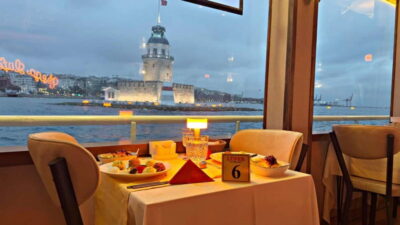
Bosphorus Dinner Cruise & Show with Private Table
Read our review →
Bosphorus Dinner Cruise with Turkish Night Show
Read our review →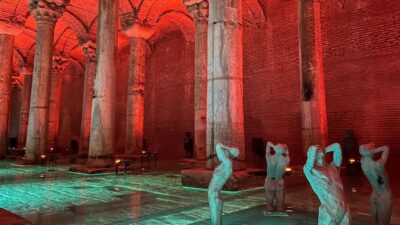
Basilica Cistern Fast-Track Entry and Audio Guide
Read our review →
Hagia Sophia Skip-the-Line Ticket & Museum Option
Read our review →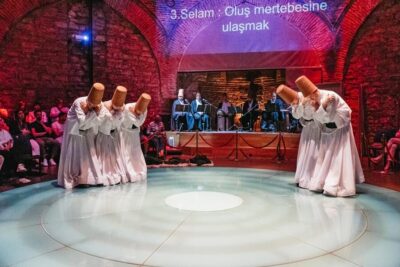
Hodjapasha Whirling Dervishes Show & Exhibition
Read our review →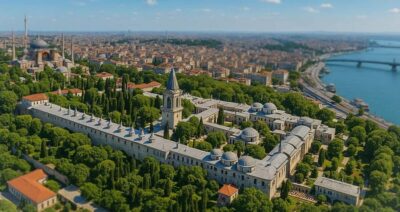
Topkapi Palace & Harem Museum Ticket & Audio Guide
Read our review →
Sunset or Day Small-Group Yacht Cruise with Snacks
Read our review →