Reviewed · TOURS IN ISTANBUL
Magic Explorer 13-Day Tour from Istanbul to Gobeklitepe Mt Nemrut
The remarkable thing here is the sheer range: in 13 days, you move from Ottoman palaces and World War I memorials to Roman ruins, cave churches, underground cities, and the 11,000-year-old sanctuary at Göbekli Tepe. The final days in southeastern Turkey give this trip real weight, especially the sunset at Mt. Nemrut and the ancient pools of Şanlıurfa.
I like the way the route handles Turkey’s big distances with an air-conditioned vehicle, 12 hotel nights, and a domestic flight back to Istanbul. I also like the small maximum of 20 people. Guides including Fatih Karci, Eda, Tamer, and Gökşu have been praised for clear explanations, patience, organization, and a warm sense of humor.
The tradeoff is pace. Several days run eight to 11 hours, and the drive from Cappadocia toward Mt. Nemrut is a long one. You see a great deal, but this is not a slow, stay-put holiday. Summer heat, early starts, and long stretches on the road deserve serious thought.
Key points at a glance
- 13 days from Istanbul to southeastern Turkey: The route covers the country’s famous western sites and its less familiar eastern treasures.
- Göbekli Tepe and Mt. Nemrut: These are the tour’s most unusual archaeological stops, far beyond the standard Istanbul and Cappadocia circuit.
- Small group, maximum 20 people: A manageable size for guided visits and long road days.
- Nine dinners and 12 breakfasts included: This reduces daily planning, though lunch and optional activities are not included.
- Guides make a major difference: Fatih Karci, Eda, Tamer, Gökşu, Orçun, and others have been singled out for organization and historical explanations.
- The itinerary is demanding: Expect full touring days, long transfers, and little spare time once the group leaves Istanbul.
Why this route reaches beyond the usual Turkey tour
Many first trips to Turkey stop at Istanbul, Ephesus, Pamukkale, and Cappadocia. This journey adds the Gallipoli battlefields, Troy, the ancient Commagene kingdom, Göbekli Tepe, Şanlıurfa, Harran, Halfeti, and Gaziantep.
That broader reach is the main reason to consider it. You are not simply collecting famous photo stops. You are following several different chapters of the country’s past, from prehistoric ritual sites to Greek and Roman cities, Byzantine and Ottoman monuments, and the modern memory of World War I.
The price is $3,560.68 per person. That is a substantial sum, but it includes 12 nights of accommodation, entrance fees, an English-speaking guide, private vehicle transport, airport transfers in Istanbul, nine dinners, 12 breakfasts, and a flight back to Istanbul. When you add Turkey’s large distances and the work involved in arranging hotels and admission tickets, the package can offer fair value for someone who wants one organized trip.
It is less appealing if you prefer to choose your own restaurants, linger at ruins, or spend several nights in one place. Lunches, travel insurance, guide and driver tips, and optional activities come separately.
Other trips people book in Istanbul:
- Istanbul: Bosphorus Dinner Cruise & Show with Private Table
★ 4.8 · 44,561 reviews - Istanbul: Daytime or Sunset Sightseeing Cruise & Audio Guide
★ 4.8 · 14,430 reviews - Istanbul: Bosphorus Dinner Cruise with Turkish Night Show
★ 4.8 · 10,127 reviews
Istanbul begins with Ottoman landmarks and the Bosphorus
Day 1 is intentionally light. You are transferred to your hotel, then have the rest of the day free. That gives you room to recover from your flight or start exploring Istanbul at your own speed.
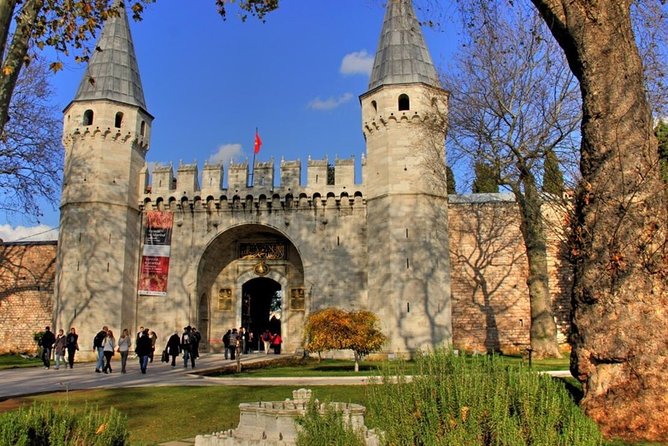
The guided sightseeing on Day 2 brings together the city’s heavyweight sights: the Blue Mosque, Hagia Sophia, Topkapi Palace, and the Hippodrome. This is a full eight-hour day, so comfortable shoes matter. The sites are close enough to connect sensibly, but the amount of information can be a lot to absorb at once.
The optional half-day Bosphorus cruise is a good add-on if you want to see Istanbul from the water. The strait separates Europe and Asia, and the cruise offers a change from museums and courtyards. Since it is optional, check the extra cost and timing before you commit.
The starting point is in Beyoğlu at Kılıçali Paşa, near public transportation. Airport pickup is included, and the final transfer to the airport is also covered, which removes two awkward arrival and departure tasks.
Gallipoli and Troy connect memory with legend
Day 3 is one of the longest, at about 11 hours. You visit the Gallipoli battlefields, including ANZAC Cove, Lone Pine, Chunuk Bair, The Nek, Johnston’s Jolly, original trenches, tunnels, and memorials.
This is not a casual sightseeing stop. The exposed sites and memorials make the human cost of the campaign clear, while the guide’s context helps connect the scattered locations. If you have family or national ties to the ANZAC story, this day may carry special meaning. Even without that connection, it is a serious and moving counterpoint to Turkey’s ancient ruins.
Day 4 turns to Troy and the award-winning Troy Museum. The archaeological site is important, but it can be difficult to picture the city from foundations alone. The museum helps by presenting objects and explanations in a more readable setting.
The stop in Behramkale adds a welcome change of tone. Its stone houses, narrow lanes, views, and local cafés offer a taste of village life rather than another major archaeological complex. You then continue south to Kuşadası, your base for Ephesus.
Ephesus is the western Turkey highlight
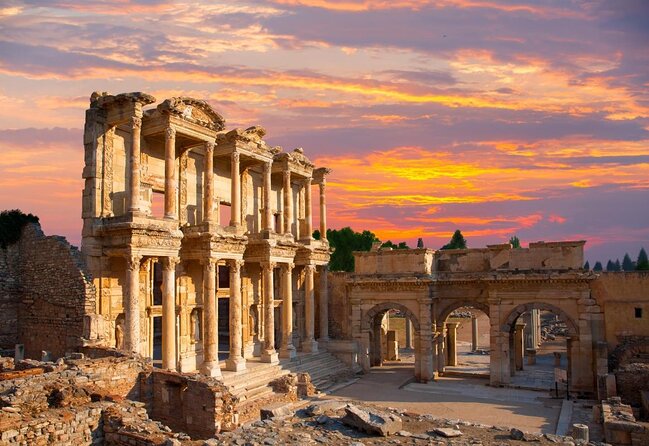
Ephesus receives a guided visit on Day 5, along with the Temple of Artemis site and the Ephesus Archaeology Museum. The ancient city’s theater, streets, and surviving public buildings make it easier to picture daily life in the Roman period.
The scheduled visit lasts about four hours, so you get a focused introduction rather than an entire day among the ruins. That suits many people, though serious archaeology fans may wish for more free time.
The carpet village visit explains how Turkish carpets are made by hand and what affects their value. This can be useful cultural context, but it is also a commercial-style stop. Listen, ask questions, and buy only if you genuinely want a carpet. You are not required to turn a demonstration into a purchase.
Same base, a different sort of day:
- Best of Istanbul 1, 2 or 3-Day Private Guided Istanbul Tour
★ 5.0 · 8,922 reviews - Istanbul: Basilica Cistern Fast-Track Entry and Audio Guide
★ 4.6 · 7,521 reviews - Istanbul: Hagia Sophia Skip-the-Line Ticket & Museum Option
★ 3.7 · 4,958 reviews - Istanbul: Hodjapasha Whirling Dervishes Show & Exhibition
★ 4.4 · 4,790 reviews
Pamukkale combines white terraces with Roman ruins
On Day 6, the brilliant white travertines of Pamukkale provide one of Turkey’s most recognizable views. The calcium terraces look almost snowy from a distance, though the area can be bright, hot, and slippery.
The visit also includes Hierapolis, the ancient spa city built above the springs. You can see the remains of a Roman-era center and, according to the schedule, take a dip in hot springs among ancient columns. Bring suitable swimwear and footwear if you plan to enter the water.
Pamukkale and Hierapolis work well together because the natural feature explains why the Romans built here. The drawback is exposure. Shade may be limited, and the pale surface reflects strong sunlight, especially in August. One past itinerary participant specifically noted the heat of that month, so spring and autumn may be more comfortable if your dates are flexible.
Konya and Cappadocia bring Silk Road stories and strange scenery
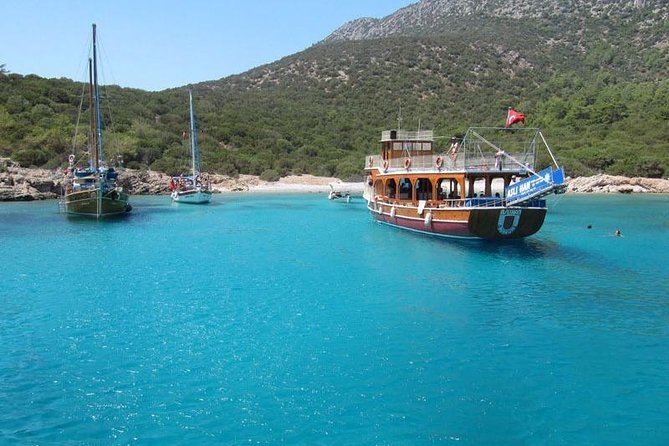
Day 7 is another long touring day, around nine hours. You visit the Sultanhani Caravansary, a substantial reminder of the old Silk Road, and the Mevlana Museum in Konya.
The caravansary helps explain how long-distance trade worked before modern transport. Konya adds a different religious and cultural layer through its connection with Mevlana and the Whirling Dervish tradition. A traditional Turkish folklore evening is offered as an optional activity.
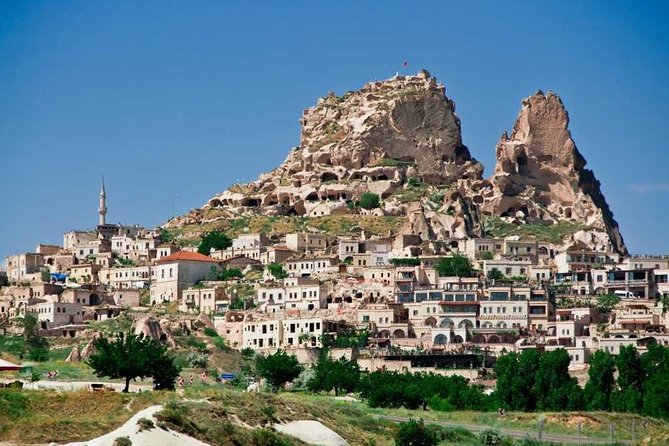
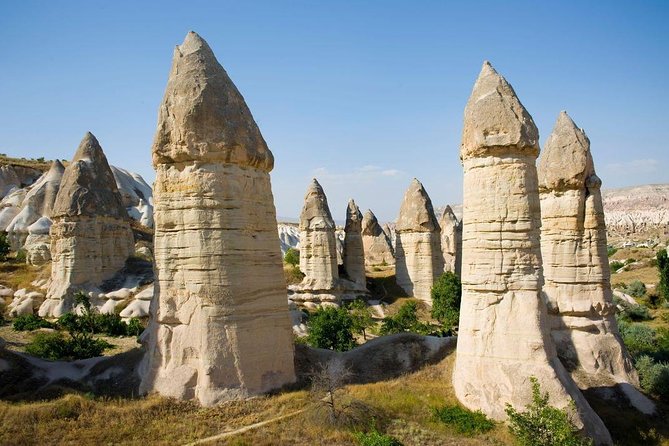
Cappadocia receives more focused attention on Day 8. The Göreme Open Air Museum presents rock-cut churches and painted interiors, while the fairy chimneys show how erosion shaped the region’s unusual formations. You also visit an underground city, where narrow passages and multiple levels give a physical sense of how people used the soft volcanic rock.
The itinerary does not include a hot-air balloon ride, but it has been praised as a highlight by people who added one independently or through an optional arrangement. Treat it as an extra, not part of the advertised price, and confirm the details before booking.
Mt. Nemrut rewards the long road from Cappadocia
Day 9 begins early as you leave Cappadocia for Adıyaman, passing through Kahramanmaraş. The drive is the price of reaching Mt. Nemrut, one of the most unusual places on the route.
At the summit, the colossal statues linked to the Commagene kingdom surround the tumulus of Antiochos. The sunset setting gives the site an atmosphere that is very different from the polished monuments of Istanbul or Ephesus. You need to be prepared for an exposed, uphill visit and a late finish.
This is also the itinerary’s clearest example of its ambitious design. A shorter Turkey holiday would almost certainly omit Mt. Nemrut because it sits far from the western circuit. Here, the long transfer lets you see a part of the country that is difficult to reach without a well-planned vehicle route.
Şanlıurfa, Harran, and Göbekli Tepe change the scale of time
Day 10 takes you toward Şanlıurfa via the Atatürk Dam and Harran. Harran is known for its mud-brick houses and old city walls, while Şanlıurfa includes the Holy Pools of Abraham and the cave associated with the Prophet Abraham.
These places ask you to shift from classical ruins to living religious tradition. Approach the sacred sites respectfully, and expect the day to feel different from the museum-heavy stops earlier in the trip.
The next day centers on Göbekli Tepe, the site that changed many ideas about early human societies. Its religious structures date back roughly 11,000 to 13,000 years, before pottery, writing, Stonehenge, and the Egyptian pyramids. The carved stones and age of the site make this one of the tour’s most important stops.
You also visit the Haleplibahçe Mosaic Museum, Kızılkoyun Necropolis, and Şanlıurfa Archaeology Museum. That makes Day 11 a full eight-hour program. If prehistoric archaeology interests you, this may be the most valuable day of the entire trip.
Gaziantep finishes with mosaics and a sunken city
Day 12 heads toward Gaziantep, with a boat trip at Halfeti along the way. The water covers part of the old settlement, creating an unusual way to view the area’s past. It is a calm change after the long road days and archaeological sites.
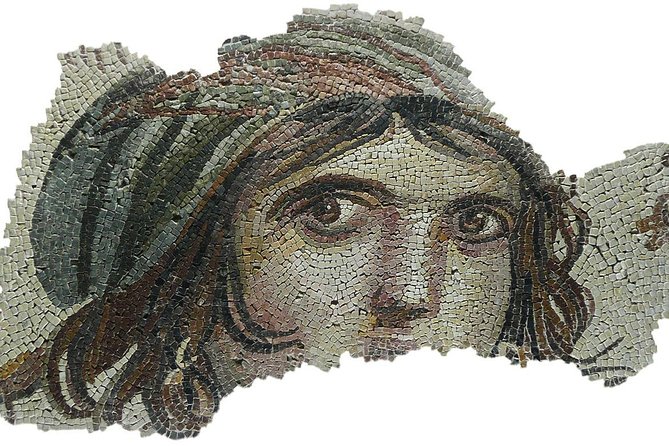
The Zeugma Mosaic Museum then brings the trip back to Roman art. Its mosaics came from the submerged city of Zeugma and offer a close look at the skill and design of the ancient world.
You finish the day with a flight back to Istanbul. The schedule lists the day at about eight hours, so it is not a relaxed final outing. Still, ending with the flight avoids another long overland return and makes the 13-day route possible.
Hotels, meals, transport, and guide quality
The package includes boutique and four-star accommodation, though individual hotel names are not supplied. You receive 12 nights, 12 breakfasts, and nine dinners. Lunch is not listed, so budget for midday meals and drinks.
A fully air-conditioned, non-smoking vehicle is used for the road sections. That matters in a country where several touring days last eight hours or more. The maximum group size is 20, although some departures may be much smaller. One reported group had only six people, which would make conversation and site visits easier, but you should not assume every departure will be that intimate.
The guide is central to the experience. Fatih Karci has been praised for his command of Turkish history and his personal warmth. Eda has been singled out for explaining details clearly and helping a six-person group enjoy the journey. Tamer is repeatedly described as organized, patient, helpful, and entertaining, while Gökşu is noted for clear English explanations and attention to rest and toilet breaks.
Those details matter on a route this busy. A strong guide can turn a pile of stones into a readable story and can keep road days from feeling chaotic. Driver quality matters too. Hasan and Murat have been praised for safe, careful driving.
Who should book this Turkey tour?
I would choose this trip if you want Turkey’s major sights but also care about Gallipoli, prehistoric archaeology, Roman cities, and southeastern culture. It is especially suited to first-time visitors who do not want to arrange several hotels, long transfers, entrance tickets, and a domestic flight themselves.
I would hesitate if you want beach time, nightlife, or slow mornings. The route is full, and some days involve long drives. August can be very hot, especially at exposed sites such as Pamukkale and Mt. Nemrut.
The booking is non-refundable and cannot be changed after purchase. Travel insurance is compulsory, and poor weather or failure to reach the minimum group size can lead to a date change or full refund. Check the operating dates carefully, which are listed from March through November for the stated seasons.
Should you book it?
Book this tour if your ideal Turkey trip is a moving historical journey rather than a relaxed resort break. The strongest reasons are the small-group format, capable English-speaking guides, included hotels and meals, and access to places that are hard to connect independently, especially Mt. Nemrut and Göbekli Tepe.
Skip it if you dislike fixed schedules or long drives. At $3,560.68, the value comes from the range of sights and the planning handled for you, not from spare time. For the right person, that trade is worthwhile: one trip, many eras, and a clear route from Istanbul’s imperial monuments to the oldest sacred structures yet found.
FAQ
How long is the Magic Explorer tour?
The tour lasts approximately 13 days and includes 12 nights of accommodation.
Where does the tour start and finish?
It starts in Istanbul at Kılıçali Paşa, Meclis-i Mebusan Cd. No. 13, in Beyoğlu. It ends back in Istanbul, with a transfer to the airport after breakfast on Day 13.
What meals are included?
The package includes 12 breakfasts and nine dinners. Lunches are not included.
Is transport included?
Yes. The tour includes transport in a fully air-conditioned, non-smoking vehicle, inbound and outbound Istanbul transfers, and a domestic flight back to Istanbul from Gaziantep.
What is the maximum group size?
The maximum is 20 participants. Some departures may be smaller.
Is a guide included?
Yes. A professional English-speaking guide is included for the duration of the tour.
Are optional activities included?
No. Optional activities, such as the Bosphorus cruise and Turkish folklore evening, are not included in the listed package price.
Just added in Istanbul
- Private Custom Tours in Istanbul★ 5.0 · 38 reviews
- Magical Sights of Istanbul Private Walking Tour★ 5.0 · 50 reviews
- Private Cultural Tour of Istanbul with Certified Guide★ 5.0 · 81 reviews
- Istanbul Airport Transfer Service with Private Minivan★ 4.5 · 61 reviews
- Private 4 Days Turkey Tour from Istanbul to Cappadocia, Ephesus, Pamukkale★ 5.0 · 80 reviews
- Private Airport Transfer in Istanbul★ 5.0 · 20 reviews
- Istanbul: Princes Islands Tour with Heybeliada and Büyükada★ 4.0 · 104 reviews
- Princes’ Islands Tour from Istanbul★ 3.5 · 21 reviews
Tours in Istanbul, compared.
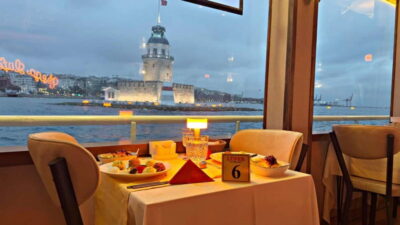
Bosphorus Dinner Cruise & Show with Private Table
Read our review →
Bosphorus Dinner Cruise with Turkish Night Show
Read our review →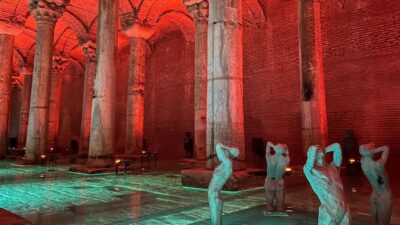
Basilica Cistern Fast-Track Entry and Audio Guide
Read our review →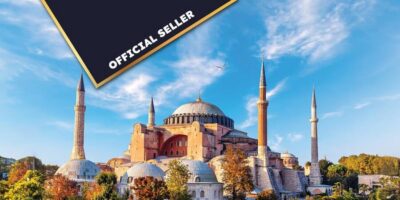
Hagia Sophia Skip-the-Line Ticket & Museum Option
Read our review →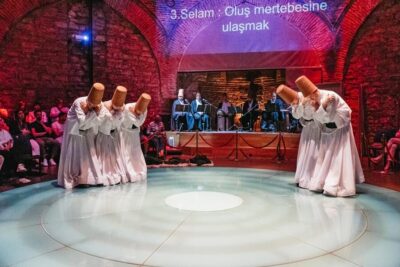
Hodjapasha Whirling Dervishes Show & Exhibition
Read our review →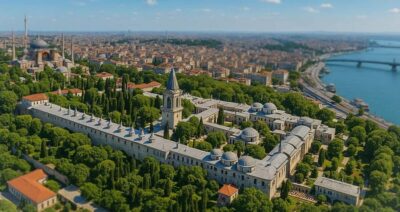
Topkapi Palace & Harem Museum Ticket & Audio Guide
Read our review →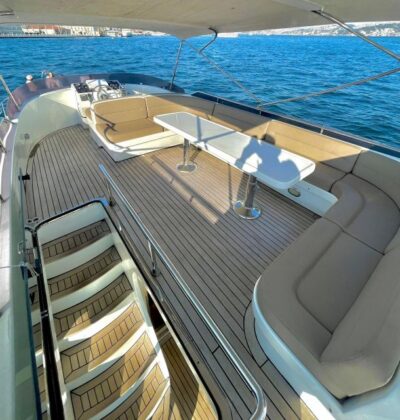
Sunset or Day Small-Group Yacht Cruise with Snacks
Read our review →