
Reviewed · HAGIA SOPHIA & OLD CITY TOURS
Istanbul Old City Tour
Istanbul’s Old City packs Roman, Byzantine, and Ottoman power into a walkable pocket of streets and squares. This private tour gives you a guide to connect the dots, from chariot races at the Hippodrome to imperial life at Topkapi Palace. I especially like the one-group format and the chance to shape the day around your interests. The main catch is that entrance fees add to the $90 price, and active mosques can still involve security lines.
I also like the early-start advice. Leaving around 8:30 or 9:00 in the morning can help with the Hagia Sophia security queue. Your guide may also adjust the pace, add food or shopping stops, or swap a major sight for the Basilica Cistern. Just remember that this is a long walking day, and the advertised 4 to 8 hours depends on what you enter.
Key points to know before booking
- Private guiding: Only your group takes part, with a licensed English-speaking guide.
- Major Old City sights: The route covers Hagia Sophia, the Blue Mosque, Topkapi Palace, the Hippodrome, Sultanahmet Square, and Grand Bazaar.
- Flexible pacing: Guides including Naci, Eren, Murat, and Sedat have adjusted timing and stops to suit individual interests.
- Extra entrance costs: Topkapi Palace admission is not included, and museum or site fees can add up.
- Mosque access varies: Friday worship, prayer times, and security queues can change what you see inside.
- Sunday and Tuesday changes: Grand Bazaar is closed Sunday, while Topkapi Palace is closed Tuesday, with alternatives offered.
What this Istanbul tour is really designed to do
At $90 per person, this is not simply a walk between famous buildings. You are paying for a private guide who can explain why the same square mattered to Roman emperors, Byzantine rulers, and Ottoman sultans.
That context is the main value. Without a guide, the Hippodrome can look like an ordinary open square with a few monuments. With the right explanation, it becomes the old sporting and political heart of Constantinople, where chariot teams drew huge crowds and public opinion could turn dangerous.
The tour is offered in English and lasts roughly four to eight hours. That wide range matters. A shorter version may focus on the outdoor sights and one or two interiors. A full day can include Topkapi Palace and the Grand Bazaar, with a possible change to the Basilica Cistern.
Because this is a private activity, you do not have to keep pace with a large group or wait for strangers. Guides have adjusted plans for people interested in food, shopping, or less typical stops. That flexibility is useful, but you should be clear about your priorities at the start.
Other city tours in Istanbul people book:
- Istanbul: Daytime or Sunset Sightseeing Cruise & Audio Guide
★ 4.8 · 14,430 reviews - Best of Istanbul 1, 2 or 3-Day Private Guided Istanbul Tour
★ 5.0 · 8,922 reviews - Istanbul: Bosphorus Sightseeing Cruise Tour with Audio Guide
★ 4.6 · 2,694 reviews
Starting at the German Fountain and Sultanahmet Square
The German Fountain is a short first stop, usually about 15 minutes. It was presented by Germany to the Ottoman Empire and sits near the old Hippodrome area. It is not a major admission sight, but it helps orient you to the central Old City.
From there, the route moves through the Sultanahmet District and Sultanahmet Square. These names can sound like separate attractions on a map, but they are really connected public spaces around the city’s greatest monuments.
This is a good place to ask your guide to explain the layout before you enter any building. Hagia Sophia, the Blue Mosque, the Hippodrome, and Topkapi Palace all sit close enough to make a walking tour practical, yet each represents a different period and purpose.
The outdoor stops are free, so they give you a useful beginning without spending from your admission budget. They also make the day feel less like a string of ticket checkpoints.
The Hippodrome and the monuments of public life
The Hippodrome, also known as Atmeydanı, was the Roman and Byzantine city’s racecourse and gathering place. Chariot races were held here, but the space was also tied to imperial ceremonies, political unrest, and public spectacle.
The Egyptian Column is one of the key surviving monuments. Its presence points to the way Byzantine emperors collected and displayed objects from earlier civilizations. The German Fountain represents a later Ottoman-era chapter, so the square lets you read several layers of Istanbul in a very small area.
Plan on roughly 15 minutes here, although the explanation can take longer if you ask questions. The site itself is open and free, but it rewards a guide more than a quick photograph does.
I would pay attention to the story rather than expecting a large archaeological complex. Much of the original Hippodrome is no longer visible, and the modern square does not fully show its former scale. A good guide helps you picture what has disappeared.
Hagia Sophia, a complicated and essential stop
Hagia Sophia is scheduled for about an hour and is the emotional center of most Old City visits. Built in the sixth century under Emperor Justinian, it first served as a Christian church, later became an Ottoman mosque, then a museum, and is now a mosque again.
That changing role is important to understand before you walk in. Christian mosaics, Islamic decoration, Ottoman additions, and the building’s vast dome all speak to different chapters of Istanbul’s past. The site is not just an old church or just a mosque. It reflects the city’s changing rulers and religious life.
You should not assume that a guide can skip the line here. Hagia Sophia is an active mosque, and tour guides do not have special priority at its security entrance. An early departure around 8:30 or 9:00 is advised to reduce waiting.
Friday needs special planning. Hagia Sophia or the Blue Mosque may be visited from outside because of worship. Prayer schedules can also affect access, so ask about the expected order of stops when you book.
The guide’s contribution is particularly useful here. One guide, Sedat, is praised for giving a clear account of Hagia Sophia, the Blue Mosque, and the Basilica Cistern. That kind of explanation helps you notice how the building changed instead of seeing only a famous interior.
Other old-city landmarks people visit in Istanbul:
- Istanbul: Hagia Sophia Skip-the-Line Ticket & Museum Option
★ 3.7 · 4,958 reviews - Istanbul: Blue Mosque & Hagia Sophia Guided Tour w/ Tickets
★ 4.8 · 3,600 reviews - Istanbul: Private Turkish Bath, Massage, and Spa in Old City
★ 4.6 · 3,225 reviews - Istanbul: Hagia Sophia Skip-the-Line Ticket and Audio Guide
★ 4.3 · 2,246 reviews
The Blue Mosque and the realities of mosque visits
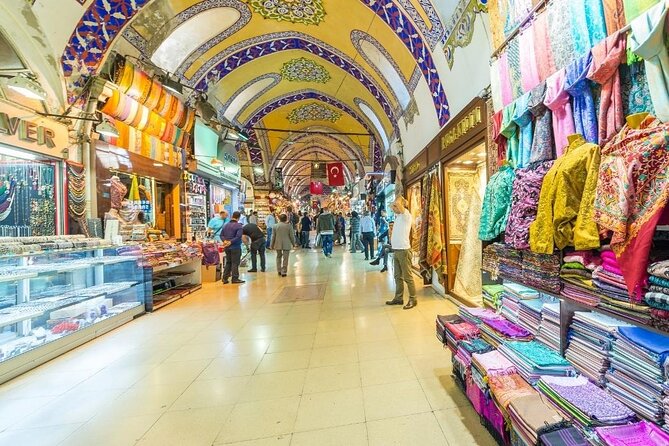
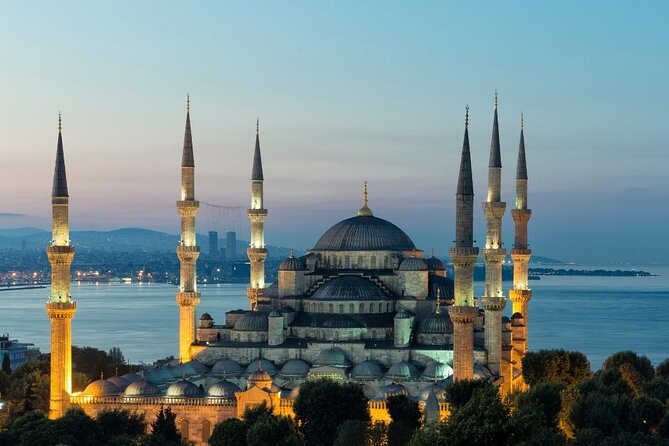
The Blue Mosque, officially Sultan Ahmet Mosque, was built in the early 1600s for Sultan Ahmet I. Its scale is impressive, but the design also depends on balance, light, and delicate tile work.
The planned visit lasts about an hour. You will need to treat it as a working place of worship, not simply a monument. Entrance procedures and queues can change, and skip-the-line access is not available for active mosques.
That is one reason a private guide helps. Your guide can explain the building while you wait, adjust the order of the morning, and tell you what to expect before entering. Still, no private booking removes every queue.
On Fridays, the mosque may be seen from outside. This is not a small technical detail. If the interior is your main reason for booking, avoid Friday or confirm the expected arrangement before paying.
The Blue Mosque and Hagia Sophia work best as a pair. One began as a Byzantine Christian church and later became a mosque, while the other was built as an Ottoman imperial mosque. Seeing both gives you a stronger sense of how Ottoman architects responded to the older monument.
Choosing between the Basilica Cistern and another mosque
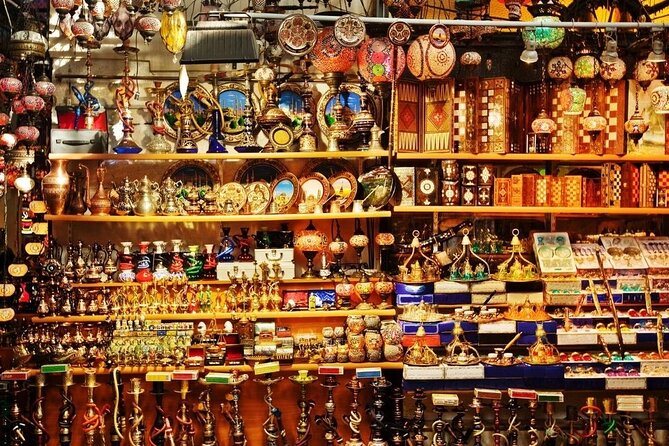
The plan includes a practical tradeoff: to save time for the Basilica Cistern, one of the mosques may need to be skipped. You should decide which experience matters more before the day begins.
The Basilica Cistern is a former water storage chamber and one of the major surviving Byzantine sites in Istanbul. It offers a very different setting from the open squares and soaring mosque interiors. If you enjoy engineering, atmosphere, and the less obvious side of city history, it may be worth choosing.
The supplied schedule does not state a fixed visit length or included admission for the cistern. Ask your guide about the current fee and timing. Since the tour has a four to eight-hour range, trying to fit every major interior into one day can make the pace rushed.
A private tour is at its best here because you can make that call based on your own interests. If this is your first visit and you want the classic pair of Hagia Sophia and the Blue Mosque, keep both. If you have seen major mosques elsewhere or prefer Byzantine infrastructure, choose the cistern.
Topkapi Palace takes the biggest block of time

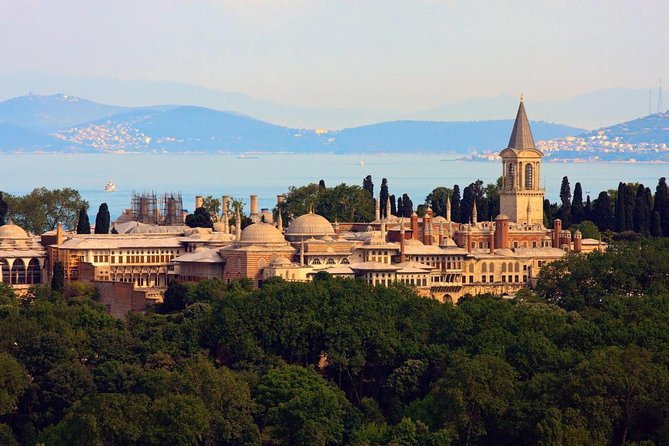
Topkapi Palace receives about two hours, longer than any other scheduled stop. That is sensible. The palace was not only an imperial home for Ottoman sultans. For nearly four centuries, it also housed the empire’s highest executive and judicial council.
The palace helps explain how Ottoman power worked. Its courtyards, buildings, and ceremonial spaces present a different picture from the monumental religious architecture nearby. Here, the focus shifts from public worship to government, court life, and imperial authority.
Admission is not included, so include the ticket in your budget. At $90, the tour can still offer good value if your guide saves you from confusion and gives the palace a clear structure. But the final cost will be higher than the advertised tour price once admissions are added.
Topkapi Palace is closed on Tuesdays. An alternative is offered, but you should ask what the replacement will be before the tour starts if the palace is a priority. A Tuesday booking is not the right choice for someone determined to enter Topkapi.
The palace can also make the day physically demanding. Two hours inside, added to the walking and standing at the other sites, is a lot. Ask for short pauses if needed. A private guide can usually adjust the pace better than a fixed group schedule.
Grand Bazaar, shopping, and knowing when to stop
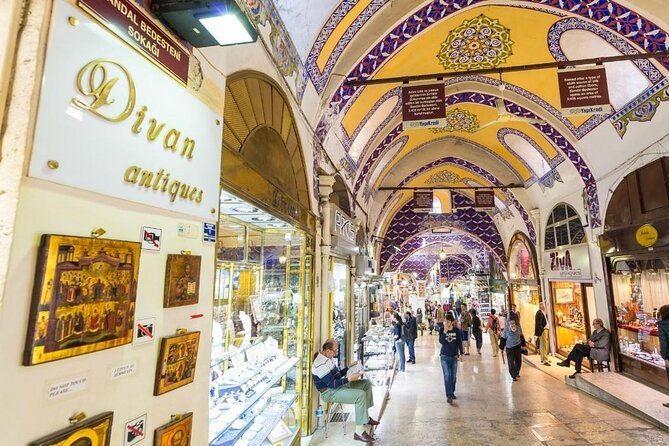
The Grand Bazaar is planned for about an hour. With more than 4,000 shops, it is one of the world’s oldest and largest covered markets, selling ceramics, leather, rugs, carpets, clothing, silver, gold, and other crafts.
The important thing is to treat this as a cultural stop as well as a shopping stop. The market shows how trade and craft remain part of Istanbul’s public life, but one hour is not enough for a serious search through thousands of shops.
If you want to buy something, tell your guide what interests you. The day can be adjusted for shopping stops, and a private guide may help you spend your time more sensibly. You should still compare prices and avoid feeling pressured to purchase.
The Grand Bazaar is closed on Sundays. The Spice Market can replace it, giving you a different market experience. If the covered bazaar is a must-see, do not book Sunday without confirming the change.
Guide quality makes the biggest difference
The strongest part of this experience is the guide. Names connected with especially positive feedback include Naci, Eren, Murat, and Sedat.
Naci has adjusted the route around food and shopping interests and made changes during the day. Eren has been praised for adapting timing and showing less conventional parts of the city when the usual sights were not the priority. Murat has been noted for matching the group’s pace without loading the day with unnecessary facts.
Sedat’s explanations of Hagia Sophia, the Blue Mosque, and the Basilica Cistern are described as thorough and easy to follow. These examples point to what you should ask for: not just dates and names, but explanations of how the buildings fit together and why they matter.
There is one clear warning. A guide arrived 30 minutes late for one booking, and the historical explanations outside Hagia Sophia were considered basic. That appears to be an exception rather than the general pattern, but it is still a reason to confirm the meeting time and contact details in advance.
The company has also been criticized for quoting $80 for port pickup over a short distance. Transportation is not included, and you are better off asking about the meeting point and using public transport when practical. Do not assume a port transfer is part of the $90 price.
Price, walking, and what you actually receive
The $90 per-person price covers a private licensed guide and meeting at a central hotel or agreed meeting point. It does not cover museum fees, transportation, or meals.
For a solo visitor or couple, that can be a fair price if you value personal attention and historical explanation. For a larger private group, the total cost may compare well with several individual tickets to a large group excursion, especially if you want to change the route.
The cost is less attractive if you only want an escort between free outdoor sights. The real benefit comes from entering major sites, asking questions, and using the guide’s flexibility. Since admissions can add up, set a total budget before the morning begins.
Most people can participate, and service animals are allowed. The day uses central Old City streets and substantial standing, so comfortable shoes and a realistic view of your energy level matter. No transport is supplied, which keeps the tour focused on walking but means you must handle your own arrival and departure.
Free cancellation is available up to 24 hours before the start time. Changes made within 24 hours are not accepted, and a late cancellation is not refunded. Bad weather or failure to meet the minimum number of participants can lead to a new date, another experience, or a full refund.
Who should book this private Old City day
I would choose this tour if you have one full day in Istanbul and want the main sights explained in a logical order. It also fits couples, families, and small groups who prefer to ask questions without a large group setting.
It suits first-time visitors especially well. The Old City has a lot of names, monuments, and historical changes packed into a small area. A guide can turn that jumble into a readable story.
You may want something else if food, daily life, and modern Istanbul are your main interests. The route is centered on major monuments, and one person felt it needed more attention to people, culture, and food. You can request those additions, but the main structure remains a history-focused Old City tour.
Book early if your dates are fixed. This experience is often reserved about 24 days ahead, which suggests that popular time slots can go quickly. Choose an early start, avoid Friday if interior mosque visits are essential, avoid Tuesday for Topkapi Palace, and avoid Sunday if you specifically want the Grand Bazaar.
Should you book it?
Book it if you want a private guide, the essential Old City sights, and room to adjust the day. The best value comes from the explanations and flexible pacing, not from the free outdoor stops alone.
Before booking, confirm the guide language, meeting point, expected entrance fees, and which sites will be open on your date. If those costs and schedule limits are clear, this is a strong way to get your bearings in Istanbul without spending your day sorting out the city’s monuments on your own.
FAQ
How much does the Istanbul Old City Tour cost?
The tour costs $90 per person. Admission fees for museums and other paid sites, transportation, and meals are not included.
How long does the tour last?
The experience lasts approximately four to eight hours. The final length depends on the sights you enter and any changes made to the schedule.
Is this a private tour?
Yes. Only your group participates, and you are accompanied by a professionally licensed English-speaking guide.
Which sights are included in the route?
The route includes the German Fountain, Sultanahmet District, Sultanahmet Square, the Hippodrome, Hagia Sophia, the Blue Mosque, Topkapi Palace, and the Grand Bazaar, with a possible Basilica Cistern visit.
Can the tour enter Hagia Sophia without waiting?
No. Hagia Sophia is an active mosque, and guides do not have skip-the-line priority. You may need to wait in the security line, so a start around 8:30 or 9:00 is suggested.
What happens if I book on Friday?
Hagia Sophia or the Blue Mosque may be visited from outside because of worship. Confirm the expected schedule before booking if entering both interiors is important to you.
Is Topkapi Palace open every day?
Topkapi Palace is closed on Tuesdays. An alternative can be arranged on that day, but Topkapi admission is not included in the tour price.
Is the Grand Bazaar open on Sundays?
No. The Grand Bazaar is closed on Sundays and may be replaced by the Spice Market.
Just added in Istanbul
- Private Custom Tours in Istanbul★ 5.0 · 38 reviews
- Magical Sights of Istanbul Private Walking Tour★ 5.0 · 50 reviews
- Private Cultural Tour of Istanbul with Certified Guide★ 5.0 · 81 reviews
- Istanbul Airport Transfer Service with Private Minivan★ 4.5 · 61 reviews
- Istanbul: Princes Islands Tour with Heybeliada and Büyükada★ 4.0 · 104 reviews
- Private 4 Days Turkey Tour from Istanbul to Cappadocia, Ephesus, Pamukkale★ 5.0 · 80 reviews
- Private Airport Transfer in Istanbul★ 5.0 · 20 reviews
- Princes’ Islands Tour from Istanbul★ 3.5 · 21 reviews
Hagia Sophia & Old City Tours, compared.

Hagia Sophia Skip-the-Line Ticket & Museum Option
Read our review →
Blue Mosque & Hagia Sophia Guided Tour w/ Tickets
Read our review →
Private Turkish Bath, Massage, and Spa in Old City
Read our review →
Old City, Waterfalls, Olympos Cable Car, Boat
Read our review →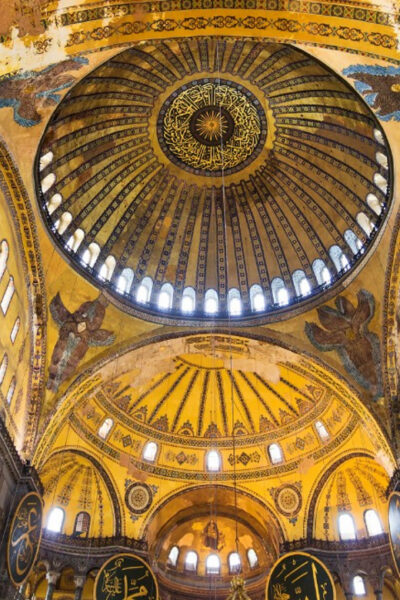
Hagia Sophia Skip-the-Line Ticket and Audio Guide
Read our review →
Istanbul Party Pub Crawl with Party Bus in Sultanahmet and Taksim
Read our review →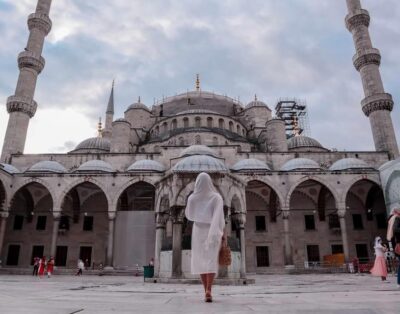
Blue Mosque, Hagia Sophia, & Basilica Cistern Tour
Read our review →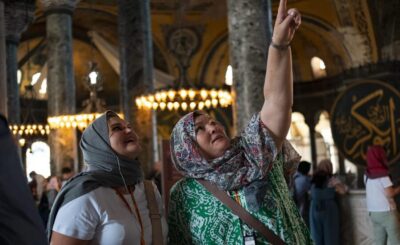
Topkapi, Hagia Sophia and Basilica Cistern Tour
Read our review →Browse the lists this tour appears in