
Reviewed · POTTERY WORKSHOPS
Avanos: Pottery Workshop with Clay Making Experience
Avanos pottery is not a staged souvenir stop. It is a living local craft, tied to the Kızılırmak River clay and passed through generations since the Hittite period. In this 1.5-hour visit, you watch a master work, sit at the wheel yourself, and leave with something your own hands helped shape.
I especially like two things here: the hands-on time comes quickly, and the patient instructors keep beginners from producing nothing but a sad lump of clay. I also like the small-group setting, which can feel almost private, plus the chance to meet skilled young masters such as Baran, who has worked with pottery since childhood.
The main catch is practical: your pottery is not fired as part of the experience. The workshop explains that drying and firing can take at least 20 days, so your creation is a raw souvenir rather than a finished, glazed vessel. Pack it carefully, and ask about its condition before you leave.
Key points to know before you book
- Make several pieces: Depending on the session and group size, you may create two or three items, such as a bowl, cup, vase, or decorative pot.
- Learn from local masters: Baran, Adil, and other instructors guide your hands through the wheel work rather than simply demonstrating from a distance.
- Ride from five Cappadocia towns: Pick-up and drop-off are available in Göreme, Ürgüp, Uçhisar, Avanos, and Çavuşin.
- Expect a raw clay souvenir: Your piece is boxed for you, but it is not glazed or kiln-fired during the visit.
- Tea comes with the lesson: Tea, apple tea, coffee, soft drinks, and similar drinks are included.
- Good rainy-day choice: The workshop is indoors and works well as a short break from balloon watching and valley sightseeing.
Why Avanos is the right place for pottery
Avanos has a long pottery tradition linked to the clay of central Anatolia. The craft reaches back to the Hittite period, and local families have passed its methods from one generation to the next.
That background gives the activity more weight than a simple craft class. You are not just shaping generic modeling clay in a hotel room. The instructor explains how the local tradition developed, how clay is handled, and how finished pieces receive their shapes, designs, and glazes.
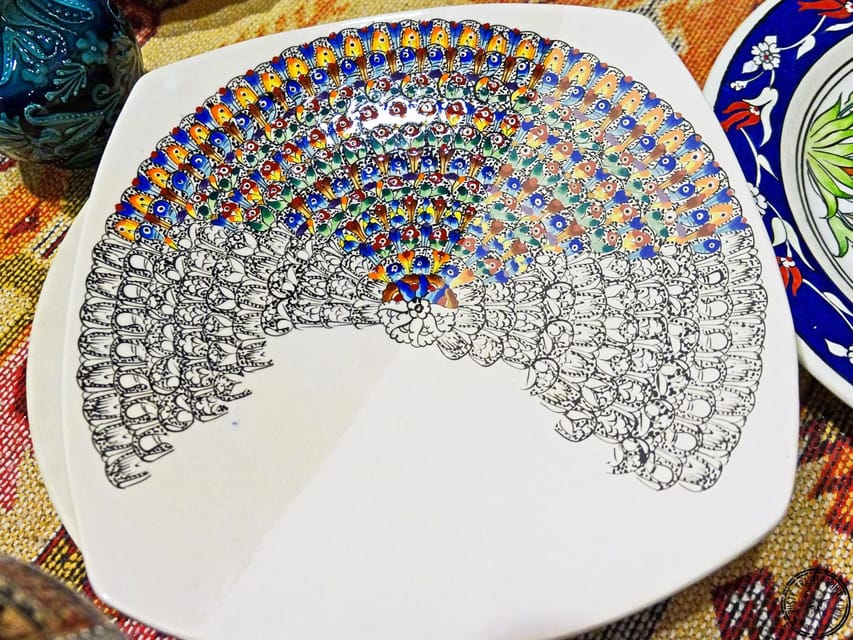
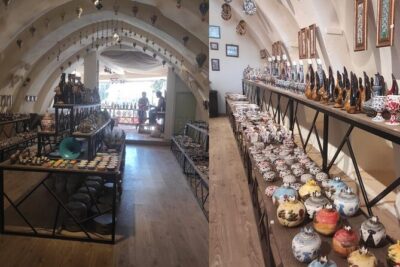
I find this especially useful if you have already seen ceramic shops in Cappadocia but wanted to understand how the objects are made. The workshop connects the finished plates, bowls, vases, and decorative pieces in the showroom with the wet lump of clay in front of you.
The short history talk also adds context to the designs. Some pieces have symbolic meanings, and the staff explains details about historical periods, materials, and methods. This makes the showroom visit more than a sales stop, although you should expect the chance to buy pottery afterward.
Other things to make with your hands in Cappadocia:
- Historical Pottery Making in Cappadocia
★ 5.0 · 261 reviews - Cappadocia Pottery Workshop Class
★ 5.0 · 191 reviews - Cappadocia: Authentic Pottery Workshop Experience
★ 4.6 · 75 reviews
The 15-minute ride from your hotel
The activity begins with a short van transfer from one of five pick-up areas: Göreme, Ürgüp, Uçhisar, Avanos, or Çavuşin. The drive to the workshop takes about 15 minutes, followed by the same length of time back to your drop-off point.
That makes this easy to fit into a busy Cappadocia schedule. You do not need to give up half a day, and the workshop can fill a spare morning or afternoon. It also makes sense on a rainy day, when an indoor activity is welcome.
Pick-up and drop-off are included, with return options in Avanos, Göreme, Uçhisar, Ürgüp, and Çavuşin. The van ride itself is not a sightseeing tour, so think of it as useful transport rather than an added attraction.
The experience is described as a private group activity. In practice, the size may affect how much wheel time you receive. Smaller groups can feel very personal, while a larger private booking may mean taking turns. If hands-on time matters most to you, ask how many people are scheduled before booking.
Meeting the guide and the pottery master
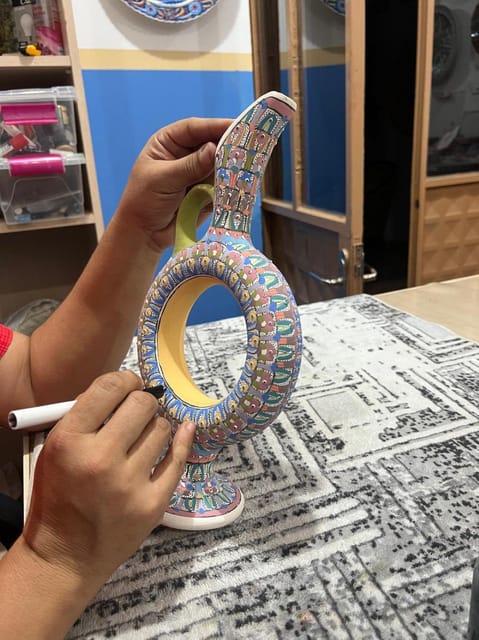
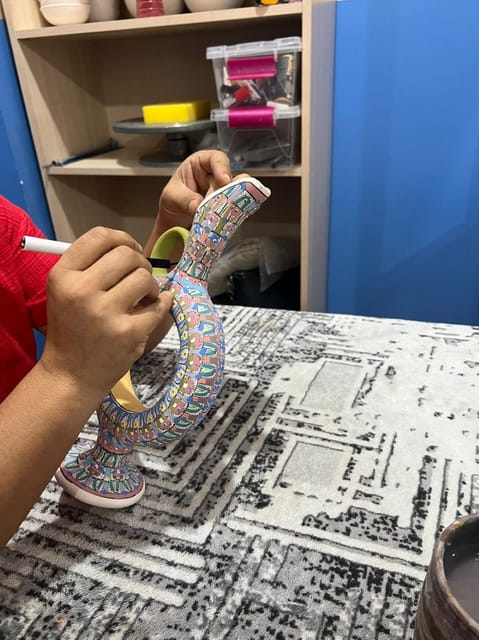
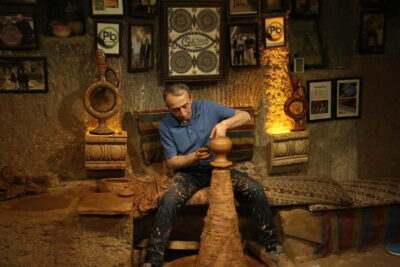
At the workshop, a guide such as Alper may introduce the tradition, explain the collection, and walk you through the different stages of pottery making. His role is part teacher and part host. He explains the story behind the pieces and helps you understand what you are seeing before you sit at the wheel.
The pottery master then takes over for the demonstration. You see how a centered lump of clay becomes a vessel through pressure, speed, water, and careful hand movements. It looks simple until you try it. That is where patient instruction matters.
Several instructors receive especially warm praise for being calm and encouraging. Baran is often singled out for his patience and skill, while Adil has led enjoyable sessions for beginners. One interesting detail is that Baran was described as only 17 but already had around nine years of pottery experience. In Avanos, the craft can begin very young.
Language support is available in English, Russian, and Turkish. The guide and master do not need to share every word with you to help, since much of the lesson is shown by hand, but clear spoken instruction makes the wheel easier to understand.
Your first turn at the pottery wheel
After the demonstration, you receive clay and try to form your own pieces. You may make a bowl, cup, vase, plate, or small decorative vessel. The exact number varies, but several participants have been able to make two or three pieces each.
The first challenge is centering the clay. Too much pressure and the form collapses. Too little and the clay wobbles. This is the point where the master’s hands may guide yours, correct your pressure, or reshape the piece before it gets away from you.
You do not need artistic training. The lesson is built for first-timers, and the instructor helps you recover when the clay starts to lean or spread. That support is important because the wheel can be frustrating for about the first 30 seconds, then surprisingly satisfying once the clay begins to respond.
I like that the activity lets you try more than one shape. A single attempt might feel like a demonstration with audience participation. Two or three pieces give you time to learn from the first mistake and make a better second attempt.
Wear clothes that can get dirty. Clay and water are part of the process, and comfortable clothing will make it easier to lean toward the wheel and work with both hands. No special equipment is listed as necessary.
Same base, a different sort of day:
- Cappadocia Hot Air Balloon Ride / Royal Balloon
★ 5.0 · 6,829 reviews - Cappadocia: Goreme Hot Air Balloon Flight at Sunrise
★ 5.0 · 4,924 reviews - Cappadocia Hot Air Balloon Ride/ Turquaz Balloons
★ 5.0 · 3,330 reviews - Cappadocia Sunset ATV Tour
★ 5.0 · 2,984 reviews
The showroom after the lesson
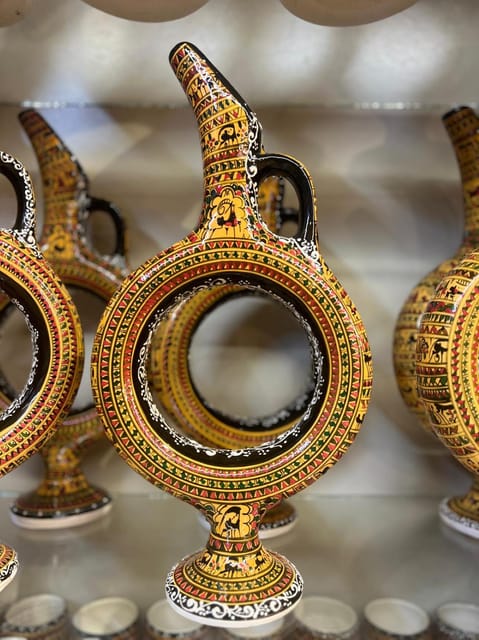
Once you finish your own pieces, you see the workshop’s finished pottery collection. The display may include bowls, cups, vases, plates, decorative objects, and ceramic artwork made by the local masters.
This is where the history talk becomes useful. A staff member can explain how the clay is prepared, how pieces are fired and glazed, and what certain designs mean. You can compare your soft, unfinished object with the smooth, colorful work on display and gain a better sense of the skill involved.
The shop is large, and there is plenty to look at. It is also a retail stop, so you may be offered finished pieces for purchase. That is not automatically a problem. The opportunity makes sense if you want a durable, glazed souvenir, since your own creation will remain unfired.
You should feel free to browse without buying. Some people do purchase a small piece, while others simply enjoy seeing the finished work. The workshop includes the demonstration and the class, not a required shopping purchase.
What happens to the pottery you make
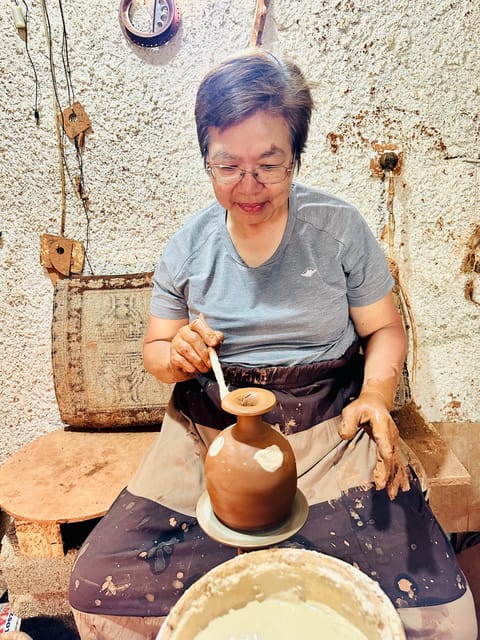
This is the detail most likely to affect your decision. The pieces you create are yours to keep, but they are not fired as part of the session.
The workshop explains that drying and firing can take at least 20 days. Without that kiln stage, your work remains fragile and should be handled with care. It is placed in a box so you can preserve it for a while and take it home.
Some people have been able to take their unfired pieces away after allowing them to dry for a day or two. That is different from receiving a finished ceramic object. Dry clay can still crack or break, and it is not the same as a glazed, fired pot.
If you are leaving Cappadocia the next morning, think carefully about luggage space and timing. One practical choice is to book this early in your stay, giving the clay more time to dry before you pack it. If you are flying home immediately, ask the workshop what condition the pieces will be in and how they should be protected.
The souvenir is still worthwhile because you made it yourself. Just do not expect a dishwasher-safe bowl ready for use at home.
Is $22 good value?
At $22 per person, this is a strong value for a 1.5-hour activity. The price includes transport from the main Cappadocia towns, the pottery demonstration, instruction, your own clay work, the showroom visit, and drinks.
The value comes mainly from the hands-on instruction. A short demonstration alone would be easy to forget, but trying the wheel gives you a physical understanding of the craft. You feel how quickly clay can change under your fingers, and you see why experienced potters make difficult work look effortless.
The private group format can add value, especially for couples, families, and solo visitors who want direct help. Several sessions have felt intimate, with only one or two people working with the master. Group size can vary, so it is wise to confirm the arrangement if that is important to you.
The price does not include a fired or glazed version of your creation. It also does not appear to include a finished commercial piece from the shop. If you want a polished souvenir, budget separately for a purchase.
Free cancellation is available up to 24 hours before the activity, and you can reserve now and pay later. Those terms help if your Cappadocia plans depend on weather or balloon flights.
Who will enjoy this workshop most
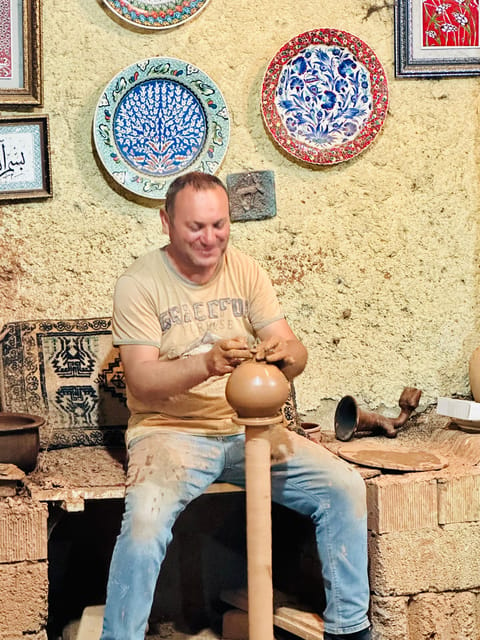
I would recommend this to first-time potters, couples, families with older children, art lovers, and anyone looking for a slower activity between sightseeing stops. It is also a good choice for solo visitors. One solo participant had a focused session with plenty of attention from the master.
It works well for visitors who want contact with a local craft rather than another viewing platform. You hear about the tradition, watch the technique, and attempt the work yourself.
It may not suit you if you want a fully finished souvenir on the same day, dislike getting your clothes dirty, or have very little room in your luggage. The activity is short, but the clay souvenir needs care.
The workshop is wheelchair accessible, and the available host languages are English, Russian, and Turkish. Drinks such as tea, apple tea, coffee, and soft drinks are included, which makes the visit feel relaxed rather than rushed.
My booking advice
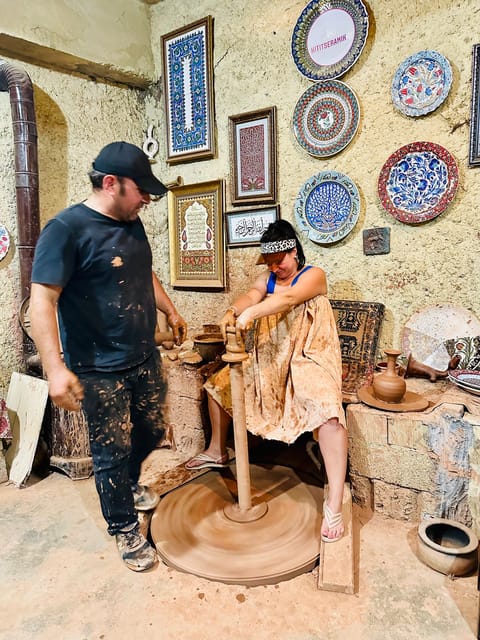
Book this activity if you want a short, affordable, hands-on look at one of Avanos’s oldest traditions. The best reason to go is not the final object. It is the chance to sit at the wheel while a local master helps you turn soft clay into something recognizable.
Book early in your Cappadocia stay if you want to carry the pieces home with less worry. If you are departing the next day, treat the creation as fragile raw clay and confirm the drying arrangements before you leave.
At $22, the combination of transport, instruction, drinks, and several attempts is hard to fault. Just keep your expectations straight: this is a pottery-making experience and a cultural workshop, not a kiln-firing course. For most visitors, that is exactly why it fits so neatly into a Cappadocia itinerary.
FAQ
How long does the Avanos pottery workshop last?
The full activity lasts about 1.5 hours. The transfer takes roughly 15 minutes each way, and the workshop portion lasts about one hour.
Where can I be picked up?
Pick-up is available in Ürgüp, Göreme, Uçhisar, Avanos, and Çavuşin. Drop-off is available in the same five places.
Can I keep the pottery I make?
Yes. You can keep your own clay creations, and the workshop places them in boxes for preservation and transport.
Is the pottery fired or glazed?
No. The pieces are not fired during the activity. The provider explains that drying and firing can take at least 20 days.
Do I need previous pottery experience?
No. The activity is designed to let beginners try the wheel with help from a local master. You should wear comfortable clothes that can get dirty.
What drinks are included?
Included drinks may include soda, tea, apple tea, coffee, and similar refreshments.
Can I cancel or pay later?
You can cancel up to 24 hours in advance for a full refund. You can also reserve your place and pay later.
Just added in Cappadocia
- From Göreme/Ürgüp: Cappadocia Jeep Safari Sunrise or Sunset★ 4.9 · 20 reviews
- From Göreme: Cappadocia Electric Trike Tour★ 4.6 · 175 reviews
- From Göreme: Cappadocia Jeep Safari Tour★ 4.6 · 61 reviews
- Cappadocia: Red-Line Tour with Lunch and Guide All Inclusive★ 4.2 · 16 reviews
- Cappadocia Tour: Underground City, Caravanserai & Salt Lake★ 4.7 · 15 reviews
- From Cappadocia: Sunrise or Sunset Camel Riding Day Trip★ 4.2 · 60 reviews
- Cappadocia: the Original Whirling Dervish Ceremony★ 4.8 · 50 reviews
- Cappadocia Dervish Ritual with live music (With 2 options)★ 4.4 · 43 reviews
Pottery Workshops, compared.
Browse the lists this tour appears in