
Reviewed · CITY TOURS IN ISTANBUL
WONDERS of ISTANBUL: PRIVATE Full-Day Guided City Tour
Istanbul’s old city packs Byzantine churches, Ottoman mosques, an underground reservoir, a sultan’s palace, and a giant covered market into one walkable historic district. This private tour gives you a guide for the full day, so you can ask questions, adjust the pace, and avoid spending your first day staring at a phone map. I especially like the personal schedule and the chance to combine major sights with Turkish food, crafts, and practical local advice.
I also like the small private format. Guides including Volkan, Fattah, Aytaç, Sema, Sam, Kazim, and Anil have been praised for explaining the sites clearly, helping with photos, and adjusting plans for slower walkers or specific interests. The main drawback is cost: the $78 tour price does not include the three largest admission charges, and shopping stops can become a problem if you want monuments only.
Key points to know before booking
- Six major sights in one historic district: Hagia Sophia, Blue Mosque, Hippodrome, Basilica Cistern, Topkapi Palace, and Grand Bazaar.
- Private English-speaking guide: Only your group takes part, with pickup from a central hotel, Airbnb location, or Galataport.
- Flexible pacing: You can spend longer at Topkapi Palace, skip a shopping stop, or take breaks for Turkish tea and coffee.
- Budget for entry fees: Hagia Sophia costs €25, Basilica Cistern costs TRY1,950, and Topkapi Palace costs TRY2,750 per person.
- Fast-track help is available: This matters when lines are long, but admission tickets are still separate.
- Plan around closures: Topkapi Palace is closed Tuesdays, and the Grand Bazaar is closed Sundays.
Why this private Istanbul tour works well for a first day
The strongest feature here is not simply the list of famous places. It is the ability to see Istanbul’s historic core with someone who can explain what you are looking at and adjust the day when the crowds, weather, or your own energy level get in the way.
The main sights sit close together, but that does not make the area simple. There is a lot to absorb, several ticket systems, and plenty of chances to lose time in a line. A private guide can help you decide where to linger and where a shorter visit is enough.
The advertised duration is five to seven hours. That is a long walking day, and one person described covering roughly six miles. You should wear comfortable shoes and expect a full schedule. The historic center is compact enough for walking between many stops, but you may also use public transport during the day.
Pickup is offered from central Istanbul hotels, Airbnb locations, and Istanbul Cruise Port at Galataport. A vehicle option is available, although the walking portion between sights remains the heart of the experience. One useful piece of advice is to compare the walking and vehicle options carefully. If you only need a short ride from your hotel to the starting point, the walking option may be the better value.
Other city tours in Istanbul people book:
- Istanbul: Daytime or Sunset Sightseeing Cruise & Audio Guide
★ 4.8 · 14,430 reviews - Best of Istanbul 1, 2 or 3-Day Private Guided Istanbul Tour
★ 5.0 · 8,922 reviews - Istanbul: Bosphorus Sightseeing Cruise Tour with Audio Guide
★ 4.6 · 2,694 reviews
Hagia Sophia and the Blue Mosque set the tone
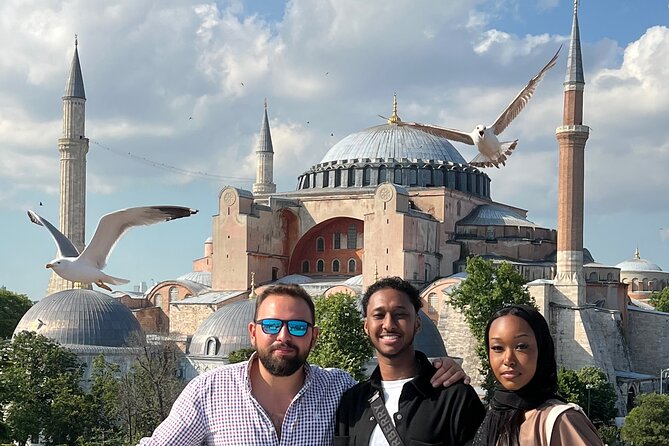
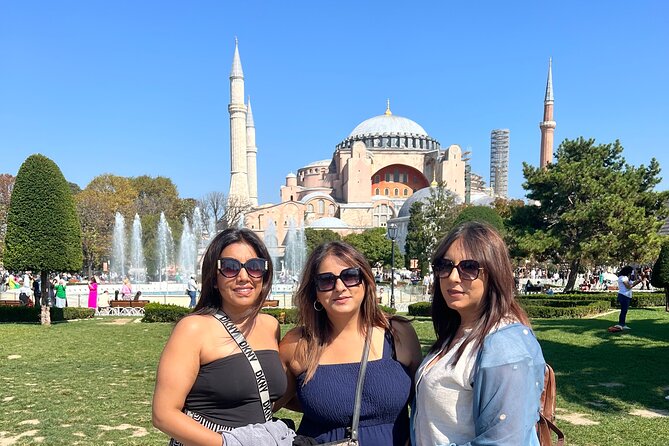
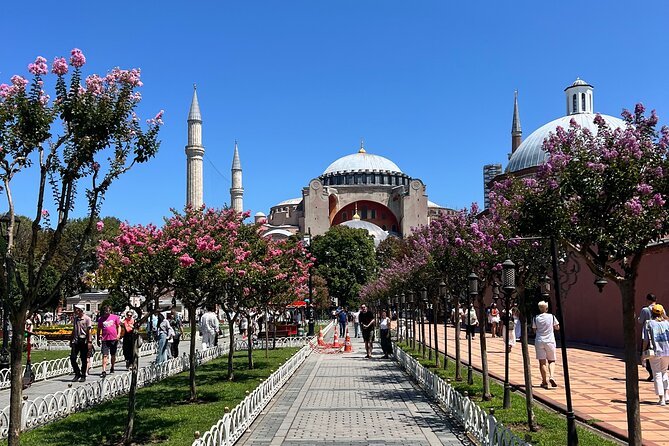
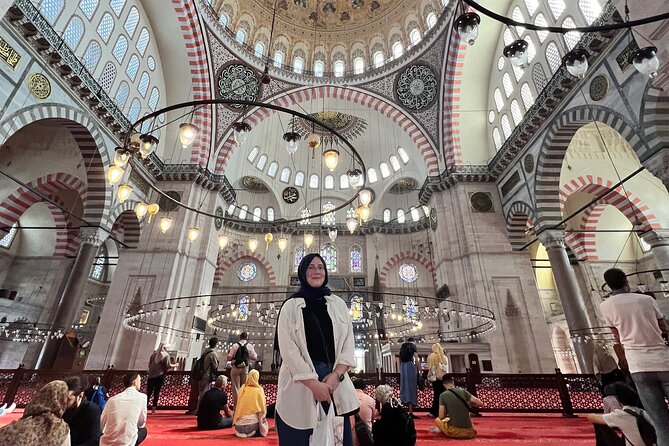
Your first major stop is Hagia Sophia Grand Mosque, the enormous domed building that has shaped Istanbul’s skyline and story for centuries. Emperor Justinian I built it as a cathedral between 532 and 537. It was the largest cathedral in the world for almost a thousand years before the Ottoman conquest of Constantinople in 1453, when it became a mosque.
Your guide can help you read the building as both a Byzantine church and an Ottoman mosque. Look up at the dome, then pay attention to the layers of decoration, mosaics, calligraphy, and architectural changes. Forty-five minutes gives you a useful introduction, but it is not enough for a slow, detailed examination of every feature.
Admission is not included. The stated price is €25 per person, so include that in your budget before booking. The exact flow inside can change, and a private guide is especially useful when you want context rather than a quick look and a photograph.
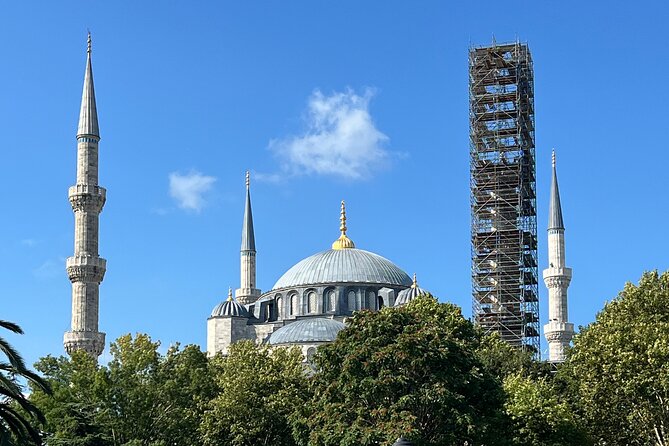
The Blue Mosque, officially the Sultan Ahmed Mosque, follows with a different mood. Built between 1609 and 1616, it is known for its six minarets, broad courtyard, grand dome, and blue İznik tiles. It remains an active place of worship, so the visit is shaped by prayer times and mosque rules.
The scheduled visit is about 30 minutes. That is enough to see the main interior and hear the story of Sultan Ahmed I’s ambitious building project, though it will feel brief if you want quiet time to study the tilework. Admission is free.
Timing can make a major difference here. One tour guide moved the Blue Mosque visit to the evening, when it felt calmer and especially beautiful. Your guide may adjust the order to respond to crowds and opening conditions, which is one of the real benefits of booking privately.
The Hippodrome explains ancient public life
The Hippodrome, now Sultanahmet Square, is easy to underestimate because much of the original arena has disappeared. Your guide helps you picture the Byzantine chariot races, public ceremonies, and political drama that once filled this space.
The arena was built in the third century and expanded under Constantine the Great in the fourth century. It could hold tens of thousands of spectators and became a center of social life in Constantinople. The Nika Riots of 532, a major uprising during Justinian’s reign, began in this charged setting.
Today, the surviving monuments provide the clues. You will see the Obelisk of Theodosius, the Serpent Column, and the Walled Obelisk. The stop lasts about 30 minutes and admission is included.
This is a good example of where a guide adds value. Without explanation, the square can look like an open plaza with a few old stones. With context, it becomes a former stadium and a stage for imperial ceremony, public anger, and spectacle.
The Basilica Cistern is the atmospheric stop
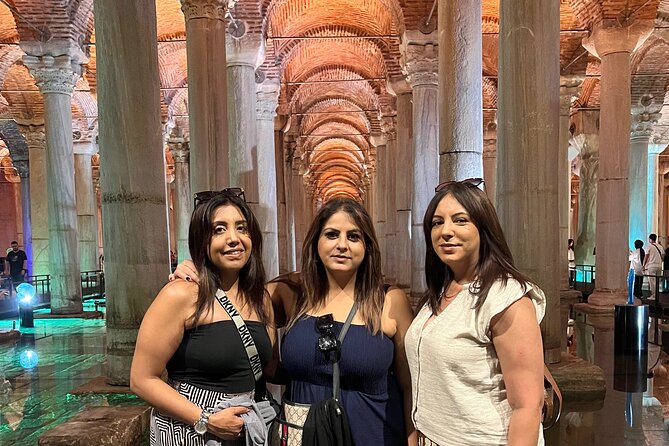
The Basilica Cistern is one of the most unusual places on the route. You descend below the streets into a vast sixth-century water reservoir built under Emperor Justinian I. It once supplied water to the Great Palace and nearby buildings.
The cistern measures about 140 meters by 70 meters and contains 336 marble columns arranged in 12 rows. Many columns were reused from older Roman buildings. The dim lighting, wet stone, and steady sound of water create a quiet change of pace after the open squares and busy streets above.
The famous Medusa column bases are the feature most people remember. One Medusa head is placed sideways and the other upside down. Their exact purpose is uncertain, but the unusual placement has helped make them one of Istanbul’s most memorable ancient details.
The scheduled visit is 30 minutes, which gives you enough time to walk through the main area and hear the story. Admission is not included, and the stated price is TRY1,950 per person. That is a significant extra cost, so decide in advance if this stop is a priority for you.
For me, it is one of the strongest parts of the day. The cistern offers something the other sites do not: an underground atmosphere, reflected light, and a sense of ancient engineering that is easy to grasp even if you are not a specialist.
Other ways to see Istanbul in a day:
- Istanbul: Full-Day Highlights Tour with Guide and Lunch
★ 4.6 · 1,662 reviews - Istanbul: Bosphorus Sightseeing Cruise with Sunset Option
★ 4.2 · 1,636 reviews - ISTANBUL BEST: Iconic Landmarks Full Day PRIVATE Guided City Tour
★ 5.0 · 1,032 reviews - Istanbul: Best of The City Full-Day Tour with Transfers
★ 4.6 · 616 reviews
Topkapi Palace needs the most time
Two hours are reserved for Topkapi Palace, and that is sensible. This was the main residence and administrative center of the Ottoman sultans for nearly 400 years. Unlike a single grand European palace, Topkapi is a collection of courtyards, pavilions, gardens, offices, religious spaces, and residential buildings.
Your visit may include the palace courtyards and museum collections, with attention to the Ottoman court, imperial administration, manuscripts, art, and ceremonial objects. The Treasury contains famous pieces such as the Spoonmaker’s Diamond and Topkapi Dagger. The Imperial Harem, where the sultan’s family lived, is another major part of the complex, though you should confirm exactly what your admission covers.
The entry fee listed for Topkapi Palace is TRY2,750 per person, not included in the tour price. That makes this the largest single cost of the day. Two hours is enough for a worthwhile visit, but not enough to examine every room and collection in detail.
This is also the stop most likely to suffer when the schedule gets crowded. One guide was praised for letting a couple spend more time at the palace while cutting a ceramics stop. That is precisely the kind of adjustment you should request if palace interiors matter more to you than shopping.
Do not book this itinerary on a Tuesday if Topkapi Palace is essential. The palace is closed that day. The tour company notes the closure, but it is still wise to check the date before paying. Guides can arrange alternatives, but an alternative is not the same as seeing the palace.
The Grand Bazaar is culture, shopping, and sensory overload
The Grand Bazaar is not just a shop-lined market. Founded in the fifteenth century after the Ottoman conquest, it has more than 4,000 shops spread across 61 streets and about 30,700 square meters.
The market sells jewelry, carpets, spices, ceramics, textiles, antiques, and Turkish sweets. Its domed passages and maze of lanes are part of the appeal, but the size can also make the place tiring and confusing. A guide can point you toward particular sections and help you understand the difference between a genuine craft purchase and a quick tourist buy.
The planned visit lasts 45 minutes and admission is free. That is enough for an introduction, but not enough for serious carpet or jewelry shopping. If you want to negotiate, compare goods, and make a considered purchase, tell your guide early so the schedule can allow for it.
The market is closed Sundays. This is another date issue worth checking before booking. If your tour falls on Sunday, you should expect a substitute activity or a changed plan.
Craft stops require clear communication
The experience includes time at a Turkish handicrafts and traditional arts gallery. Depending on the guide and your interests, you may also be taken to leather, ceramic, Turkish delight, tea, or other specialty shops.
This can be a pleasant part of the day when you want to see craftsmanship and learn how products are made. One guide took a couple to merchants offering artisan work rather than cheap souvenirs, with no pressure to buy. Other people had the opposite experience, with extended sales presentations and strong encouragement to purchase leather, ceramics, or sweets.
The difference is simple: tell your guide exactly what you want before the tour begins. Say that you are interested in traditional arts but do not want shopping time, or say that you would like to see quality crafts and are open to buying. A private tour should give you room to make that choice.
If shopping is not your priority, ask to keep these stops short and use the extra time for Topkapi, the cistern, or a Turkish meal. If a guide spends too long at a store after you have clearly declined, that is a fair reason to be disappointed.
Lunch is flexible, but not included
Lunch is not part of the price, which gives you some freedom. Guides including Volkan, Aytaç, Fattah, Kazim, and Sam have been praised for restaurant advice, local dishes, and good-value meals.
One guide took a group to a local restaurant with very generous portions. Another helped a parent and adult child find street food and restaurants that cost less than the places suggested by their hotel. A guide named Kadir recommended Galyan, described as a Mediterranean restaurant, along with Turkish delight and tea shops.
Ask your guide what makes sense near the route and explain your budget. You can request a sit-down meal, street food, or a quick break. Turkish tea and coffee stops were useful for people who needed to recharge during the long walk.
The guide makes or breaks the day
The company assigns different guides, so you should not assume you will receive a particular person. Names associated with this experience include Volkan, Fattah, Aytaç, Peta, Mustafa, Musa, Kazim, Sam, Sema, Anil, Ushton, Sabit, Ismail, Kadir, Zel, John, Pasha, Ali, and Batu.
The most praised qualities are consistent: clear explanations, friendly conversation, flexible pacing, restaurant advice, help with photos, and prompt communication through WhatsApp. Several guides checked the pace for older relatives or adjusted the plan around weather and crowd levels.
Communication before pickup is a useful feature. Guides may message you the evening before, confirm the meeting point, and coordinate a hotel or port pickup. If you are meeting at Galataport, provide clear arrival details and use WhatsApp if requested.
The one serious concern is sales pressure. Since the tour includes a handicrafts gallery and may include market visits, you should establish boundaries at the start. A guide who respects your interests can make the shopping element worthwhile. A guide who treats it as a sales opportunity can take time away from the monuments.
Is $78 a fair price?
At $78 per person, the base price is reasonable for a private guide and a five to seven-hour day, especially if you are traveling with two or more people and value personal attention. You are paying for planning, explanations, pickup coordination, help with lines, and the ability to shape the schedule.
But the headline price is not the full cost. Add €25 for Hagia Sophia, TRY1,950 for the Basilica Cistern, and TRY2,750 for Topkapi Palace per person. Lunch and gratuities are also separate.
Fast-track ticket service is available, which can save valuable time when queues are long. Confirm how the ticket service works and what you will pay before entering. The value is strongest when you have only one day in Istanbul, are arriving by cruise ship, or want help getting oriented before exploring alone.
Who should book this Istanbul tour?
I would choose this tour if I had a short stay, a port stop, older relatives in the group, or a strong desire to see the historic center without organizing every detail myself. It also suits first-time visitors who want the major monuments explained in a sensible order.
You should also consider it if you want a private pace. Guides have adjusted plans for slower walkers, helped with photographs, suggested restaurants, and used public transport when useful.
I would hesitate if you prefer to explore alone, dislike guided commentary, or want to spend hours inside museums without a fixed schedule. I would also be cautious if you have no interest in shopping and do not plan to state that clearly at the beginning.
Free cancellation is available up to 24 hours before the start time. Changes made inside that window are not accepted, and poor weather may lead to a new date or a full refund.
Final call: a strong introduction with a few conditions
Book this tour if you want the efficient first-day overview of Istanbul, with a private guide who can explain the Byzantine and Ottoman layers while handling the practical details. The route covers the city’s essential historic sights, and the private format gives you a much better chance of seeing what matters most to you.
Before booking, check three things: your date does not fall on Tuesday if Topkapi is essential, your date does not fall on Sunday if you want the Grand Bazaar, and your budget includes the separate admission fees. Then tell your guide whether you want crafts, shopping, food, or monuments to take priority.
FAQ
How long does the private Istanbul tour last?
The tour lasts approximately five to seven hours.
What sights are included in the route?
The route includes Hagia Sophia Grand Mosque, the Blue Mosque, the Hippodrome, Basilica Cistern, Topkapi Palace, and the Grand Bazaar.
Are admission tickets included?
Admission is included for the Hippodrome and the Blue Mosque. Hagia Sophia costs €25 per person, Basilica Cistern costs TRY1,950 per person, and Topkapi Palace costs TRY2,750 per person. Lunch and gratuities are also excluded.
Where can the guide meet my group?
Pickup is available from central Istanbul hotels, Airbnb locations, and Istanbul Cruise Port at Galataport. A vehicle pickup option is available if you select that version.
Is the tour private?
Yes. Only your group participates, and the tour is offered with a professional English-speaking guide.
Which days have important site closures?
Topkapi Palace is closed on Tuesdays, and the Grand Bazaar is closed on Sundays. Check your date carefully if either site is a priority.
Just added in Istanbul
- From Istanbul: Sapanca & Masukiye Tour with Lunch★ 4.5 · 68 reviews
- From Istanbul: Private Pamukkale and Hierapolis Day Tour★ 4.2 · 19 reviews
- From Istanbul: Troy and Gallipoli 2-Day Trip★ 4.2 · 18 reviews
- From Istanbul: Guided Day Trip to Sapanca and Masukiye★ 4.1 · 21 reviews
- From Istanbul: Private Bursa City Day Trip★ 4.5 · 20 reviews
- From Istanbul: Ephesus Tour with Roundtrip Flight★ 4.5 · 23 reviews
- From Istanbul: 4-Day Istanbul, Cappadocia, Flight,Cave Hotel★ 4.6 · 17 reviews
- From Istanbul: Best of Turkey 8 Days, 7 Nights Guided Tour★ 5.0 · 15 reviews
City Tours in Istanbul, compared.
Bosphorus Sightseeing Cruise Tour with Audio Guide
Read our review →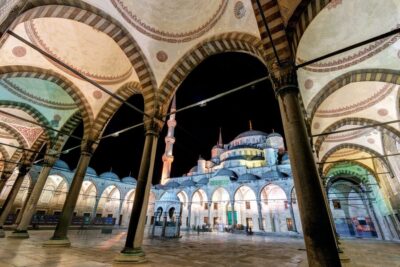
Full-Day Highlights Tour with Guide and Lunch
Read our review →
Bosphorus Sightseeing Cruise with Sunset Option
Read our review →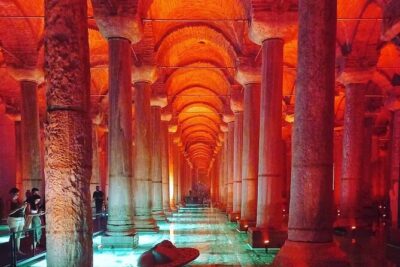
ISTANBUL BEST: Iconic Landmarks Full Day PRIVATE Guided City Tour
Read our review →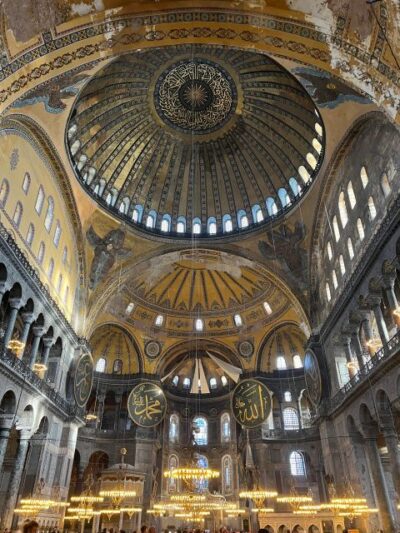
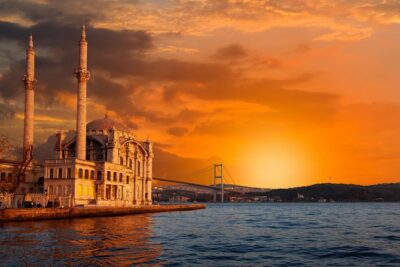
Best Of Istanbul: 1, 2 or 3 Day Private Guided Tour
Read our review →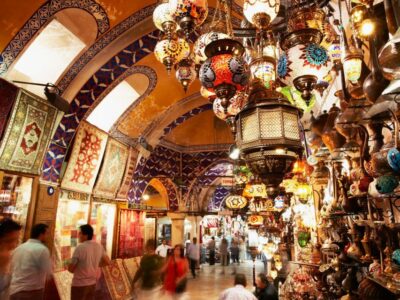
City Highlights Tour w/Hagia Sophia & Blue Mosque
Read our review →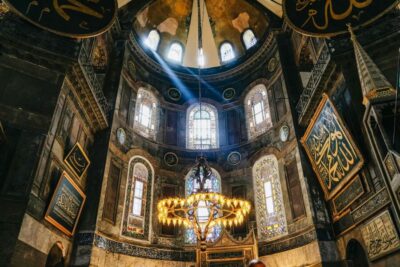
Best of the City 1, 2 or 3-Day Private Guided Tour
Read our review →Browse the lists this tour appears in