
Reviewed · WALKING TOURS
Full-Day Private Highlights of Istanbul Walking Tour
Istanbul’s greatest sights sit close together in the old city, and this private walking tour puts them in a sensible order. You move from the Byzantine world to the Ottoman court, then finish among the winding lanes of the Grand Bazaar, with a local guide explaining the connections between them.
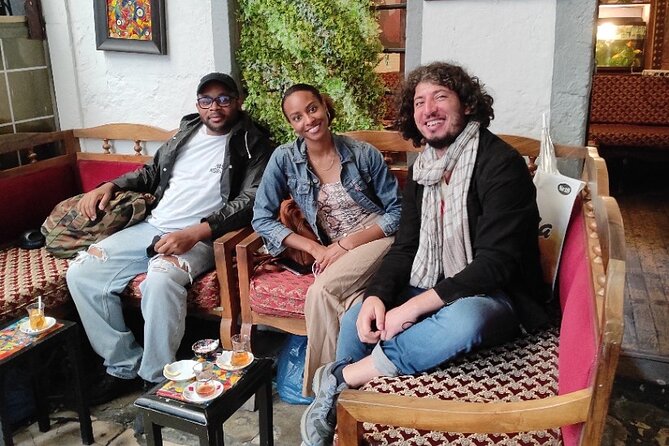
I like the private format, especially for a family or small group that wants to ask questions and adjust the pace. I also like the human touch: guides named Apo, Abdullah, and Ipek have been praised for history, humor, restaurant advice, shopping help, and tailoring the day to individual interests.
The main consideration is stamina. Seven hours on foot, with long visits inside major monuments, is a full day. Topkapi Palace costs extra, lunch is not included, and opening-day restrictions mean you must plan carefully around Fridays, Tuesdays, and Sundays.
Key points before you book
- Five major sights in one old-city route: Hagia Sophia, the Blue Mosque, Topkapi Palace, Hippodrome, and Grand Bazaar form the backbone of the day.
- A private guide for up to eight people: Your group does not share the tour with strangers, making it easier to ask questions or request changes.
- A walking-first experience: No vehicle is needed during the tour, so expect city streets, foot traffic, and a moderate level of physical effort.
- Baklava and Turkish tea or coffee included: These small tastings add a local pause between the monuments.
- Topkapi Palace is the main extra cost: The listed entrance fee is 320 Turkish lira, or 420 Turkish lira with the Harem.
- Timing matters: Hagia Sophia and the Blue Mosque close on Fridays during prayer, Topkapi Palace closes Tuesdays, and the Grand Bazaar closes Sundays.
Why this route works for a first day in Istanbul
Istanbul can feel scattered at first. It sits across two continents, yet its most famous historic sights in Sultanahmet are close enough to link on foot. That makes this tour useful early in a stay, when you want to understand the city before setting off on your own.
The route also follows a clear historical arc. Hagia Sophia introduces the Byzantine and Roman legacy. The Blue Mosque brings you into Ottoman religious art. Topkapi Palace shows how the Ottoman court worked, while the Hippodrome connects public life, politics, and spectacle. The Grand Bazaar then shifts the mood from monuments to commerce.
I appreciate that this is not simply a photo-stop circuit. The guide is expected to explain legends, political struggles, religious traditions, and the role these places still play in daily life. The strongest guide accounts describe Apo and Abdullah as warm, entertaining, and flexible, rather than as people who simply recite dates.
The private setup matters here. With a maximum of eight people, you can ask why a building changed from church to mosque, how the Ottoman court was organized, or where to eat afterward. You can also spend less time on a subject that does not interest you and more time on food, art, shopping, or local customs.
Other guided walks in Istanbul:
- Istanbul: Fener Balat Half-day Guided Walking Tour
★ 4.9 · 1,711 reviews - Istanbul: European and Asian Side Guided Foodie Walking Tour
★ 4.9 · 1,038 reviews - Half day Fener-Balat Walking Tour in Turkiye
★ 5.0 · 308 reviews
Hagia Sophia: the city’s great starting point

Begin at the Pudding Shop Lale Restaurant on Divan Yolu Street. From there, the tour reaches Hagia Sophia, the most important sight in the old city for many first-time visitors.
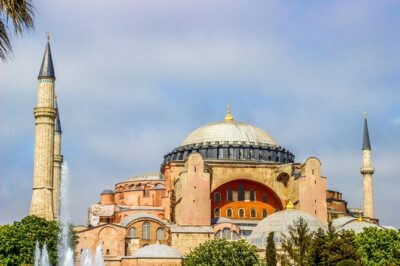
Hagia Sophia means holy wisdom. Its scale and engineering were revolutionary when it was built as a Roman imperial church. Later, it became an Ottoman mosque, and today it functions as the Hagia Sophia Grand Mosque. That layered identity is the point of the visit. You are not seeing one period of Istanbul, but several eras occupying the same building.
The scheduled visit is about one hour. A guide can help you make sense of the monument’s changing religious and political role, which is difficult to grasp from the architecture alone. Look for the way Christian and Islamic elements share the same space, and listen for the stories linking the building to emperors, sultans, worship, and public life.
The practical issue is prayer access. Hagia Sophia is closed to visitors on Fridays during prayer, so do not place this tour on Friday without confirming how the schedule will work. Modest clothing and respectful behavior are important at a functioning mosque, and you should be ready for conditions that may change around worship.
The Blue Mosque and Ottoman artistic style
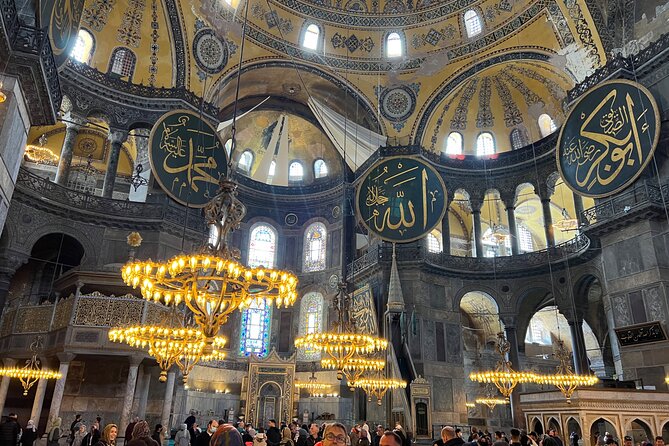
The Blue Mosque is only a short walk from Hagia Sophia, but it gives you a different experience. Instead of a former church turned mosque, you see one of the Ottoman era’s most recognizable religious buildings.
Its nickname comes from the blue Iznik tiles used inside. The building’s appeal is not limited to color. Its domes, minarets, interior decoration, and sense of balance show how Ottoman architects developed their own visual language while responding to earlier Byzantine design.
A one-hour stop gives your guide room to discuss Islam, Islamic art, and the stories attached to the mosque. This is where a private guide can be especially helpful. You can ask about the building’s religious purpose rather than treating it as just another grand interior.
The Blue Mosque is an active place of worship. It is closed to visitors on Fridays during prayer, and access may also be organized around daily prayer times. You should dress respectfully and expect to remove your shoes if entering the prayer area. These are not minor details, since they affect how much of the visit you can enjoy.
Topkapi Palace: court life, power, and the Harem
Topkapi Palace is the tour’s main paid stop and, for many people, its most revealing one. This was the main seat of the Ottoman sultans and the center of court power for centuries.
The palace is not a single grand residence in the European style. It is a complex of courtyards and rooms that reflects the workings of an imperial court. Your guide can connect the buildings to the sultans, officials, succession struggles, and the people who operated behind the scenes.
The Harem is especially important if you want to understand the role of powerful women at court. The palace’s political story is not only about sultans and military leaders. Women within the imperial household could influence appointments, alliances, family decisions, and succession. The Harem entrance costs extra, but the additional fee may be worthwhile if court politics and social history interest you.
The listed price is 320 Turkish lira for Topkapi Palace, or 420 Turkish lira with the Harem. Since entrance fees can change, confirm the current amount before you go. Topkapi Palace is closed on Tuesdays, so this tour is not a good Tuesday choice unless the provider offers a different plan.
You should also budget time and energy here. After two major religious buildings, the palace adds more walking and standing. I would choose comfortable shoes and keep lunch in mind, since food is not included in the tour price.
A few more things to do in Istanbul worth a look
- Istanbul: Bosphorus Dinner Cruise & Show with Private Table
★ 4.8 · 44,561 reviews - Best of Istanbul 1, 2 or 3-Day Private Guided Istanbul Tour
★ 5.0 · 8,922 reviews - Istanbul: Private Turkish Bath, Massage, and Spa in Old City
★ 4.6 · 3,225 reviews - Bosphorus Dinner Cruise with Show and Private Table
★ 4.5 · 2,021 reviews
The Hippodrome and Istanbul’s public stage
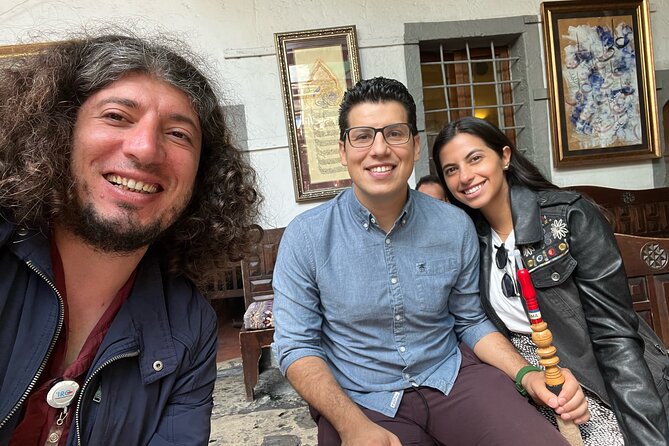
The Hippodrome is sometimes passed quickly because it is an open square rather than a building with an entrance gate. That would be a mistake. This was the social and political heart of Byzantine Constantinople, where chariot races, ceremonies, fights, and public performances drew large crowds.
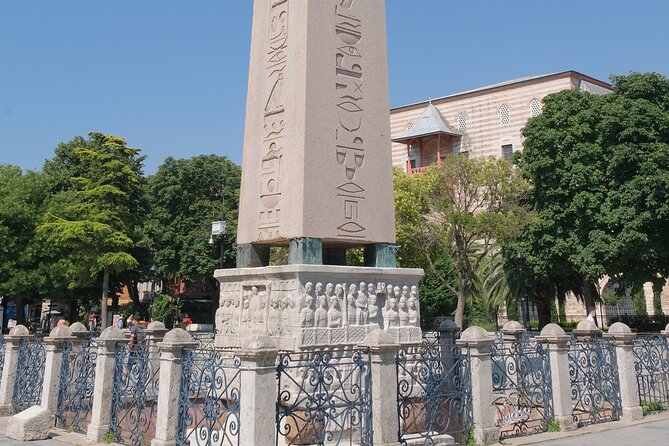
The modern square contains several important monuments. The Egyptian Obelisk came from Egypt. The Serpent Column recalls the ancient Greek world. The German Fountain and Walled Column add later layers to the site.
I like this stop because it helps you picture how ordinary people experienced imperial power. Hagia Sophia and Topkapi Palace show the worlds of emperors and sultans from inside. The Hippodrome shows public spectacle, crowd energy, and civic life.
The one-hour timing may include explanation and walking around the square rather than a formal indoor visit. Since admission is free, the value here comes from context. Without a guide, you might see a few old columns and move on. With a good explanation, the square becomes a place where sport, ceremony, politics, and violence all met.
Grand Bazaar: finish with color and conversation
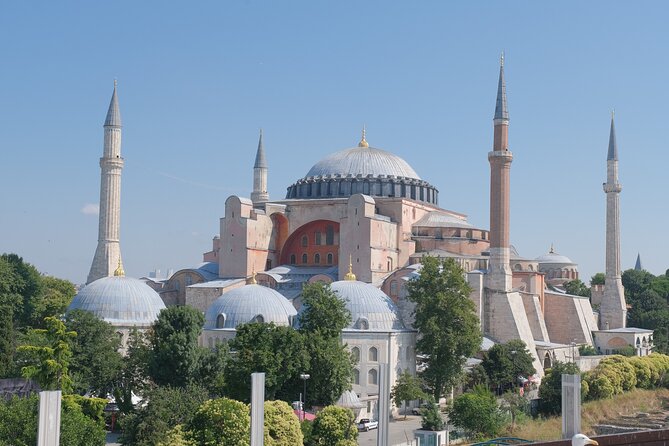
The final scheduled stop is the Grand Bazaar, a 550-year-old market made up of many lanes and passages. It is easy to lose your bearings, which is part of its appeal and part of its challenge.
You may find carpets, jewelry, leather goods, lamps, textiles, souvenirs, and food-related products, though the exact shops you visit can vary. The important thing is to treat the bazaar as a working market, not only as a museum. Ask your guide how to compare items, how bargaining works, and how to tell the difference between browsing and serious buying.
The guide’s local connections can matter here. Several guide accounts describe Apo as helpful with shopping and local food, while also giving people time to look around. That is the right approach. A shopping stop should not feel like a forced sales visit, and you should never feel obliged to buy.
The Grand Bazaar is closed on Sundays. If shopping is a major reason for booking, avoid Sunday or confirm that the itinerary will be adjusted. The tour finishes here and returns to the original meeting point rather than providing a separate hotel drop-off.
What the private format is really worth
The price is $300 per group for up to eight people. For one person, that is expensive. For a full group of eight, it works out to $37.50 per person before the palace fee, which is reasonable for a private seven-hour service in one of the world’s most visited historic districts.
For two people, the value depends on what you want from a guide. You are paying for private attention, route planning, and the ability to ask questions throughout the day. A cheaper group tour may cover the same buildings, but it will usually offer less control over pace and conversation.
The tour lasts about seven hours and fifteen minutes, while the listed stops total roughly five hours. That leaves time for walking between sights, pauses, the included baklava and tea or coffee, possible shopping, and schedule changes at religious sites. It is a useful amount of time, but do not assume every minute inside a monument is fixed.
Private tours also vary by guide. The people associated with this experience include Apo, Abdullah, and Ipek. Apo is described as funny, adaptable, and strong on food and shopping advice. Abdullah is noted for explaining lesser-known stories and historic details. Ipek appears in connection with a two-day private program. When booking, it is sensible to ask which guide is assigned and what languages are available.
Food, breaks, and the pace of the day
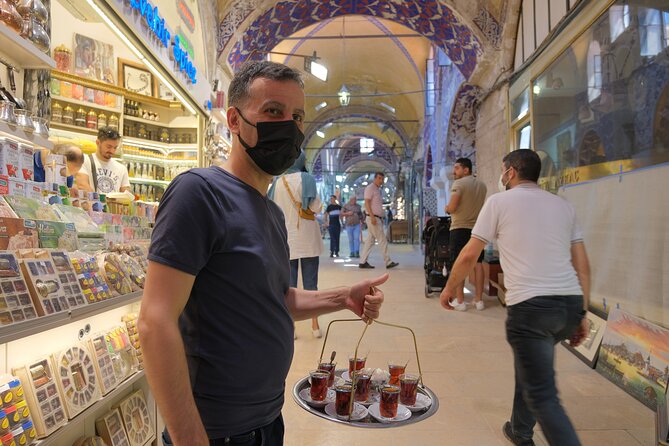
Baklava tasting and tea or coffee are included. These are welcome touches, but they do not replace lunch. You need to plan for a midday meal, either by asking the guide for a recommendation or arranging a restaurant stop during the private schedule.
Food advice is one of the more useful parts of the guide service. The guide accounts connected with this tour describe help finding restaurants and local dishes, and some mention arranging additional experiences such as a hammam. Those extras are not part of the advertised package, so treat them as possible assistance rather than included features.
The walking level is described as moderate. You do not need a vehicle during the tour, but you will spend much of the day on foot across a historic district. Wear shoes you can walk in for several hours, carry water, and avoid filling your schedule with another major activity afterward.
Who should book this Istanbul tour
I would recommend it to first-time visitors who want the old city explained in one concentrated day. It is also a good fit for families, couples, and small groups who prefer a conversation with one guide instead of a large scheduled group.
It suits people who want more than photographs. The best use of the day is to ask about the link between Byzantine Constantinople and Ottoman Istanbul, the role of religion in public life, palace politics, and how the old market still works.
I would be more cautious if you dislike walking, need a fully accessible route, or prefer to explore each monument slowly on your own. Seven hours can feel long, and the tour does not include lunch or private transportation. If you want hotel pickup and drop-off by private van, that must be selected as an option rather than assumed.
Book early if your dates are fixed. The experience is commonly reserved around ten days ahead, and the Friday, Tuesday, and Sunday closures can limit your choices.
Should you book it?
Book this tour if you want Istanbul’s main old-city sights tied together by stories, and if a private guide’s flexibility matters to you. The strongest reason to choose it is not simply the number of monuments. It is the chance to shape the day around your questions, food interests, shopping plans, and pace.
Skip it if you want a low-cost, self-guided walk or if you are not comfortable spending most of a day on foot. For a group of four to eight, the $300 price becomes much easier to justify. For two people, I would book only if personal attention and local guidance are central to your plans.
FAQ
How long does the Istanbul walking tour last?
The tour lasts approximately 7 hours and 15 minutes.
How many people can join the private tour?
The price covers one private group of up to eight people.
What sights are included?
The route includes Hagia Sophia Grand Mosque, the Blue Mosque, Topkapi Palace, the Hippodrome, and the Grand Bazaar.
Is Topkapi Palace admission included?
No. Topkapi Palace admission is not included. The listed price is 320 Turkish lira, or 420 Turkish lira with the Harem.
Is lunch included?
No. Lunch is not included in the tour price.
What food and drinks are included?
Baklava tasting and tea or coffee are included.
Is transportation provided during the tour?
No private transportation is included in the standard walking tour. You will not need a vehicle during the route. Pickup and drop-off by private van can be selected as an option.
Where does the tour start and finish?
The tour starts at Pudding Shop Lale Restaurant, Alemdar, Divan Yolu Cd. No:6, Fatih, Istanbul. It ends back at the meeting point.
Which days affect the itinerary?
Topkapi Palace is closed on Tuesdays. Hagia Sophia and the Blue Mosque are closed on Fridays during prayer, and the Grand Bazaar is closed on Sundays.
Just added in Istanbul
- Private Custom Tours in Istanbul★ 5.0 · 38 reviews
- Magical Sights of Istanbul Private Walking Tour★ 5.0 · 50 reviews
- Private Cultural Tour of Istanbul with Certified Guide★ 5.0 · 81 reviews
- Istanbul Airport Transfer Service with Private Minivan★ 4.5 · 61 reviews
- Istanbul: Princes Islands Tour with Heybeliada and Büyükada★ 4.0 · 104 reviews
- Private 4 Days Turkey Tour from Istanbul to Cappadocia, Ephesus, Pamukkale★ 5.0 · 80 reviews
- Private Airport Transfer in Istanbul★ 5.0 · 20 reviews
- Princes Island Full Day Tour★ 4.0 · 36 reviews
Walking Tours, compared.
European and Asian Side Guided Foodie Walking Tour
Read our review →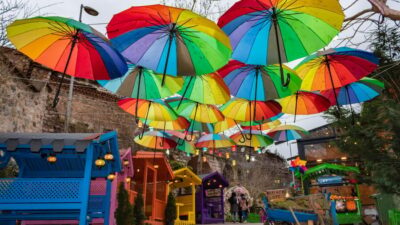
Colorful Fener & Balat Walking Tour w/Expert Guide
Read our review →
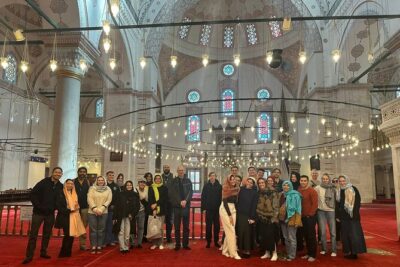
Old Town Of Istanbul Orientation – Tip Based Walking Tour
Read our review →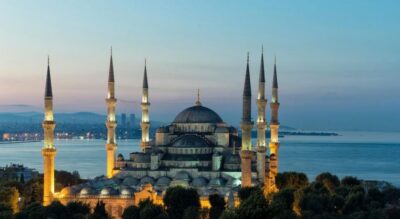
Full Day Historical Walking Tour of Istanbul Old City from Hagia Sophia
Read our review →Browse the lists this tour appears in