
Reviewed · COOKING CLASSES
Çiğ Köfte Cooking Class/Night with Traditional Music At Home
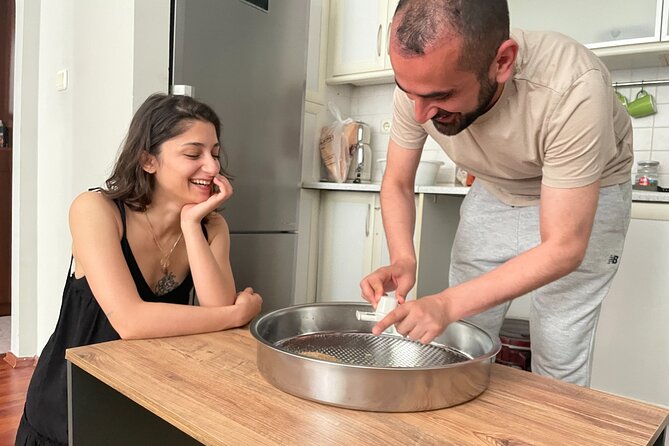
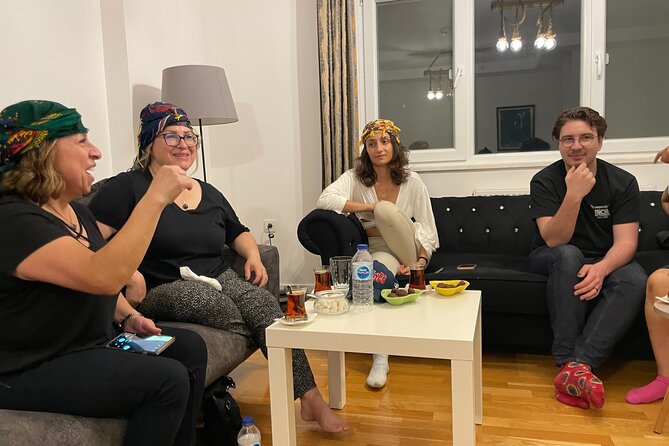
Çiğ köfte is more than a spicy snack here. In this Kadıköy home, you take part in the old Urfa tradition of kneading the dish while music and singing fill the room. Bushra, Burak, and Bawer welcome you around the table, explain the spices, and turn dinner into a shared cultural ritual.
I like two things in particular: the small maximum group of eight, which keeps the evening personal, and the fact that you can participate as much as you wish. The music, jokes, taste tests, and easy conversation give the cooking a social rhythm that a standard classroom often misses.
The main consideration is location and format. You need to reach the meeting point on Şemsettin Günaltay Avenue in Kadıköy, and this is an informal home gathering rather than a polished restaurant meal or a broad Istanbul sightseeing tour. If you want hands-on food, it is a strong fit. If you want a full dinner with many dishes, it may feel narrow.
Key points at a glance
- Knead çiğ köfte in a local home: Learn the dish through the communal method associated with Urfa.
- Meet Bushra, Burak, and Bawer: The hosts shape the evening with conversation, humor, and music.
- Hear traditional music while cooking: The songs and instruments help explain the social side of the dish.
- Taste as you go: Jokes and informal tests show how the flavor and heat develop.
- Keep the group small: The experience accepts no more than eight people.
- Plan for an evening in Kadıköy: The activity lasts about 2 hours and 30 minutes and returns to its starting point.
Why çiğ köfte is the real subject of the evening
Many people first meet çiğ köfte as a compact Turkish street-food portion, wrapped in lettuce or bread and served with a sharp sauce. This experience asks you to look further back, to the southeastern city of Urfa, where preparing the dish was traditionally a group activity.
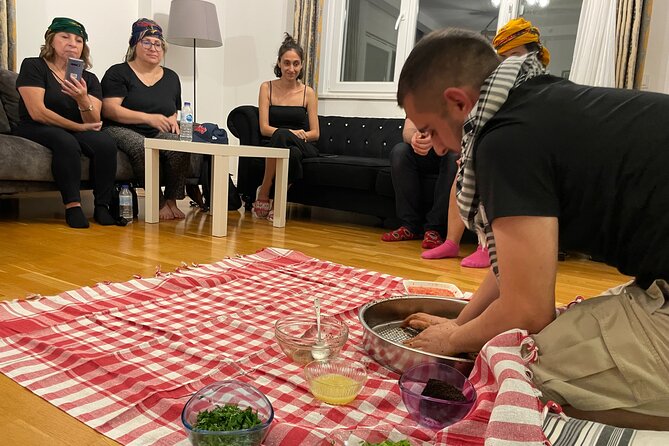
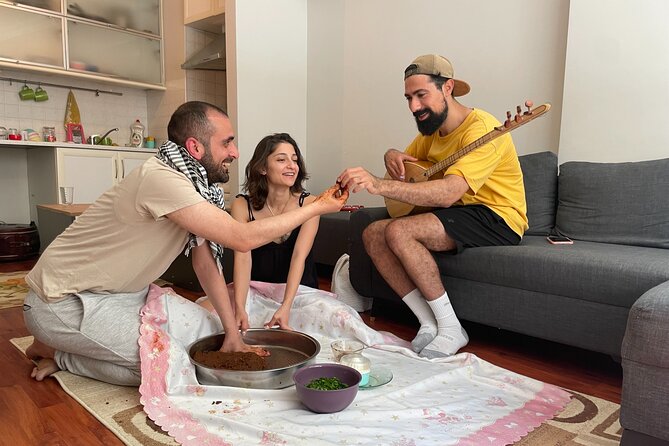
The key action is kneading. Bulgur, spices, and other ingredients are worked together by hand until the mixture reaches the right texture. The cooking itself becomes the event. Some people knead, while others sing, play music, talk, and keep the mood lively.
That background matters because you are not simply following a recipe. You are learning why this dish belongs to a social setting. The hosts explain the ingredients and special spices, then show you how preparation, music, humor, and shared tasting fit together.
The experience describes çiğ köfte as a dish that was once far removed from the street-food counter. That is a useful distinction. You get a chance to see its older communal identity before it became one of Turkey’s best-known quick foods.
More cooking in Istanbul:
- Private Turkish Cuisine Cooking Class with Local Moms
★ 5.0 · 114 reviews - Cooking Class in Turkey From Istanbul
★ 4.5 · 23 reviews - Cook with a Local: Private Home Cooking Class In Istanbul
★ 5.0 · 15 reviews
Arriving at the Kadıköy home
The meeting point is at 19 Mayıs, Şemsettin Günaltay Cd. no:186, 34738 Kadıköy, Istanbul. The activity begins and ends there, so you do not need to arrange a separate return point after the evening.
The location is near public transportation, which makes the meeting point more practical than a private home in a remote neighborhood. Still, you should check your route before setting out. A cooking evening is easier when you arrive with enough time to find the address rather than rushing in at the start.
This is not a sightseeing walk through Kadıköy. The neighborhood serves as your base for a home visit and a food-focused evening. If you have already spent the day visiting mosques, markets, and museums, the change of pace can be welcome. You settle in one place and spend the night with people rather than monuments.
Because the activity is held in a home, the tone is personal from the beginning. It is less formal than a commercial cooking school. That can be a benefit if you enjoy conversation and do not need every minute tightly scheduled. It also means you should expect a relaxed social format instead of a professional demonstration with a fixed stage and printed lesson plan.
Meeting Bushra, Burak, and Bawer
The hosts named for this experience are Bushra, Burak, and Bawer. Their role is not limited to explaining food preparation. They help create the friendly atmosphere that makes the evening work.
You begin by getting comfortable and hearing about the ingredients and spices. From there, the cooking becomes shared rather than purely instructional. You can take an active place in the kneading or watch parts of the process before joining in.
That flexibility is important. Some people want to put their hands into the mixture right away. Others prefer to understand the method first. Here, you are invited to participate as much as you wish, so the experience can suit both confident home cooks and curious beginners.
The personal side is one of the strongest reasons to book. The evening is designed to feel like time in someone’s home, with conversation that can move beyond the dish. The hosts and their friends are part of the social setting, and the mood is intended to feel easy rather than scripted.
You should not expect a silent lesson. Jokes and informal conversation are built into the format. That may be exactly what you want from a cultural evening, but it is worth knowing if you are looking for a quiet cooking class focused only on measurements and technique.
Kneading the mixture and tasting along the way
The central activity is making çiğ köfte together. The hosts first describe the ingredients and spices, then the group sits down to knead. You can help work the mixture and taste it as the flavor develops.
This hands-on part gives the dish more meaning than a plate served at the end. You see that texture and seasoning are not abstract instructions. They are judged through touch, smell, and repeated tasting.
The experience also includes different ways of checking the taste and intensity. The hosts use jokes and informal tests to keep this from feeling like an exam. You are not simply told that the mixture is ready. You take part in deciding how the flavor is developing.
That approach is useful for anyone interested in Turkish food beyond the menu. Spices can be listed in a recipe, but a shared preparation shows how a dish is adjusted in real time. You also get a better sense of why kneading became a group task. It takes time and effort, so conversation and music turn the work into a social occasion.
The menu is focused: çiğ köfte is the main dish. You should plan on this being a specialty experience rather than a multi-course Turkish dinner. If you like a clear theme and want to understand one food properly, that focus is a strength. If you arrive expecting several dishes, dessert, or a broad cooking syllabus, the offering may feel limited.
Same base, a different sort of day:
- Istanbul: Bosphorus Dinner Cruise & Show with Private Table
★ 4.8 · 44,561 reviews - Istanbul: Daytime or Sunset Sightseeing Cruise & Audio Guide
★ 4.8 · 14,430 reviews - Istanbul: Bosphorus Dinner Cruise with Turkish Night Show
★ 4.8 · 10,127 reviews - Best of Istanbul 1, 2 or 3-Day Private Guided Istanbul Tour
★ 5.0 · 8,922 reviews
Traditional music changes the cooking lesson
Music is not background decoration here. The format reflects the old custom of having some people knead while others play and sing behind them. That gives the activity a sense of movement and shared timing.
You can expect traditional music during the cooking, along with conversation and humor. The music helps explain the culture around çiğ köfte in a way a recipe card cannot. It shows that the dish was connected to gatherings, not just individual meals.
This is also where the small group matters. With a maximum of eight people, the music and conversation have room to breathe without the room becoming a large organized class. You are more likely to have direct contact with the hosts and to join the social rhythm.
The evening’s warmth is a major part of its appeal. The format is meant to make you feel at home, and the strongest praise centers on friendly company, lively conversation, and the sense of sitting with friends. That does not mean the cooking disappears. Instead, the cooking gives everyone something practical to do while the social side unfolds.
If you prefer a tightly timed lesson with constant instruction, the casual music and joking may feel less efficient. For an evening built around local hospitality, though, the relaxed pace is part of the point.
What the two-and-a-half-hour schedule means
The experience lasts about 2 hours and 30 minutes. That gives enough time for an introduction, ingredient and spice explanations, the kneading session, music, tasting, and conversation without making the night feel like a quick demonstration.
The exact balance can vary. A group that asks many questions may spend longer discussing the dish, while a more hands-on group may move quickly into kneading. The description allows participation according to your comfort, so do not expect every minute to follow a rigid timetable.
The length also makes this easy to fit into an Istanbul evening. You are not committing a full day to a cooking program. It works well after other sightseeing, provided you leave enough time to reach Kadıköy.
Because the activity ends at the starting point, you have a clear finish. You can then continue your evening from the same area or head back using public transportation. The experience does not include a separate city tour, so plan your other stops around it rather than expecting transport between attractions.
Is $60 a fair price?
At $60 per person, this is not the cheapest way to eat çiğ köfte in Istanbul. You can find the dish for much less at a casual food counter. The value here comes from the setting, instruction, music, and time spent with the hosts, not from the amount of food alone.
I would judge the price as reasonable if you want a cultural activity built around one traditional dish. You receive a home visit, an explanation of the ingredients and spices, hands-on participation, tasting, and a music-filled social evening. Those elements make it different from buying a prepared portion on the street.
The small group also supports the price. A maximum of eight people means the hosts can involve you directly instead of presenting to a crowd. If the group is not full, the setting may feel especially personal.
Group discounts are available, which can improve the value if you are booking with family or friends. The activity is offered in English, so you can follow the explanations without needing to rely on translation.
Still, you should be clear about what you are buying. This price is for a focused cultural food experience, not an all-day culinary tour or a large meal with several courses. If your priority is quantity or budget dining, spend the money elsewhere. If your priority is an evening of participation and local hospitality, the cost makes more sense.
Who will enjoy this most
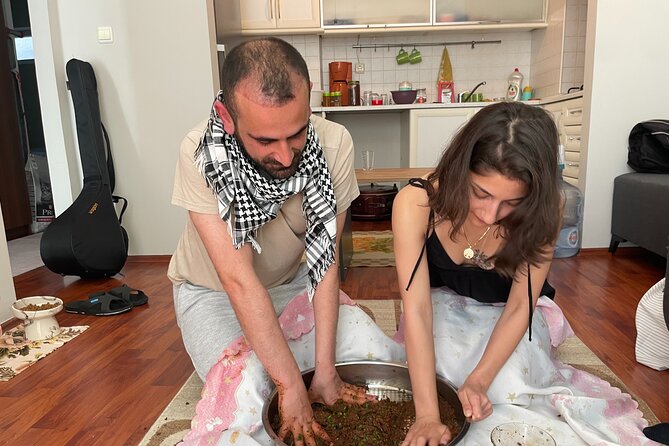
I would recommend this experience to you if you enjoy food as a way to meet people. It suits couples, small groups of friends, and solo visitors who like joining a social setting rather than eating alone.
It also works well for anyone who has already tried çiğ köfte and wants to understand its background. The activity connects the modern street-food version with its southeastern roots, giving you context for something you may see all over Turkey.
Families may appreciate the short duration and relaxed format, though the details provided do not set a minimum age or describe child-specific arrangements. You should confirm anything important for your group before booking.
This is less suitable if you want a broad introduction to Turkish cuisine. The menu centers on one dish, and the activity remains in one home. It is also not the best choice if you want a formal chef-led lesson, a restaurant setting, or a packed sightseeing schedule.
The experience is offered in English and accepts mobile tickets. Confirmation arrives at booking, which keeps the practical side simple. Free cancellation is available if you cancel at least 24 hours before the local start time. Within that final 24-hour window, refunds are not available and changes are not accepted.
The best reasons to book, and the main reasons to pause
The strongest reason to book is the combination of food and hospitality. You are not only shown how çiğ köfte is made. You are invited into the social custom surrounding it, with music, conversation, and group kneading.
The second reason is the personal scale. Bushra, Burak, and Bawer create an evening that can feel more like meeting local friends than attending a standard class. The reported experience includes no dull stretches, which fits the format: cooking gives you an activity, while music and conversation keep the evening moving.
The main reason to pause is the narrow focus. One dish may be exactly right for you, but anyone hoping for a full survey of Turkish food will need another activity. You also need to make your own way to the Kadıköy meeting point and accept the informal nature of a home setting.
Should you book this çiğ köfte experience?
Book it if you want a small, friendly evening with hands-on food preparation, traditional music, and a clear connection to southeastern Turkish culture. The $60 price is easiest to justify when you value the hosts, setting, and shared ritual as much as the food itself.
Skip it if you want a large meal, a formal kitchen lesson, or a city tour that covers several sights. For everyone else, this offers a memorable way to spend 2 hours and 30 minutes in Istanbul, especially if you are curious about how a familiar street food began as a communal tradition.
FAQ
Where does the çiğ köfte cooking experience begin?
It begins at 19 Mayıs, Şemsettin Günaltay Cd. no:186, 34738 Kadıköy, Istanbul, Türkiye.
Where does the experience end?
The activity ends back at the meeting point.
How long does the experience last?
It lasts approximately 2 hours and 30 minutes.
What food is prepared during the experience?
The main dish is çiğ köfte, a popular Turkish street food with roots in the southeastern city of Urfa.
Is the cooking class held in a home?
Yes. The experience takes place in the hosts’ home.
Who hosts the experience?
The named hosts are Bushra, Burak, and Bawer.
Is traditional music part of the evening?
Yes. Traditional music accompanies the çiğ köfte preparation, reflecting the communal music and singing associated with the dish.
How many people can join?
The activity has a maximum of eight participants.
Can I cancel for a full refund?
Yes, if you cancel at least 24 hours before the experience start time. Cancellations and changes made less than 24 hours before the start are not accepted for a refund.
Just added in Istanbul
- Private Custom Tours in Istanbul★ 5.0 · 38 reviews
- Magical Sights of Istanbul Private Walking Tour★ 5.0 · 50 reviews
- Private Cultural Tour of Istanbul with Certified Guide★ 5.0 · 81 reviews
- Istanbul Airport Transfer Service with Private Minivan★ 4.5 · 61 reviews
- Istanbul: Princes Islands Tour with Heybeliada and Büyükada★ 4.0 · 104 reviews
- Private 4 Days Turkey Tour from Istanbul to Cappadocia, Ephesus, Pamukkale★ 5.0 · 80 reviews
- Private Airport Transfer in Istanbul★ 5.0 · 20 reviews
- Princes’ Islands Tour from Istanbul★ 3.5 · 21 reviews
Cooking Classes, compared.
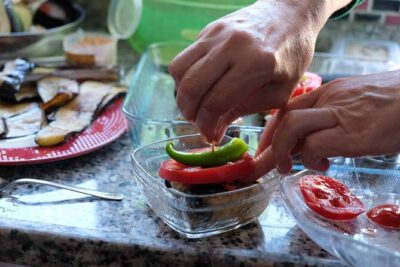
Private Turkish Cuisine Cooking Class with Local Moms
Read our review →
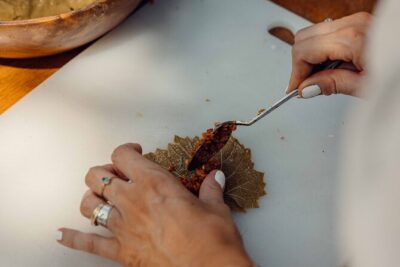

Cook with a Local: Private Home Cooking Class In Istanbul
Read our review →Browse the lists this tour appears in