
Reviewed · WALKING TOURS
Istanbul: Colorful Fener & Balat Walking Tour w/Expert Guide
Fener and Balat give you a side of Istanbul that feels far removed from the grand mosques and palace courtyards of Sultanahmet. In two hours, you’ll follow colorful stairways and sloping lanes past Greek, Armenian, Jewish, and Bulgarian landmarks, with the Bulgarian Iron Church and Phanar Greek Orthodox College as major highlights.
I like the way this tour links handsome buildings with the people and communities behind them. I also like the small, useful touches, such as time for photos, local café stops, and Turkish coffee at the end. The main drawback is the terrain: steep cobblestones, stairs, and hills can be tiring, especially in hot weather or if your ankles are unreliable.
The guides, including Can, Furkan, John, Emre, Hasan, Jan, and Hüseyin, are praised for clear English, local knowledge, patience, and a willingness to answer questions. Bring good shoes and arrive on time, since the guide cannot wait more than five minutes after the start.
Key points to know before you book
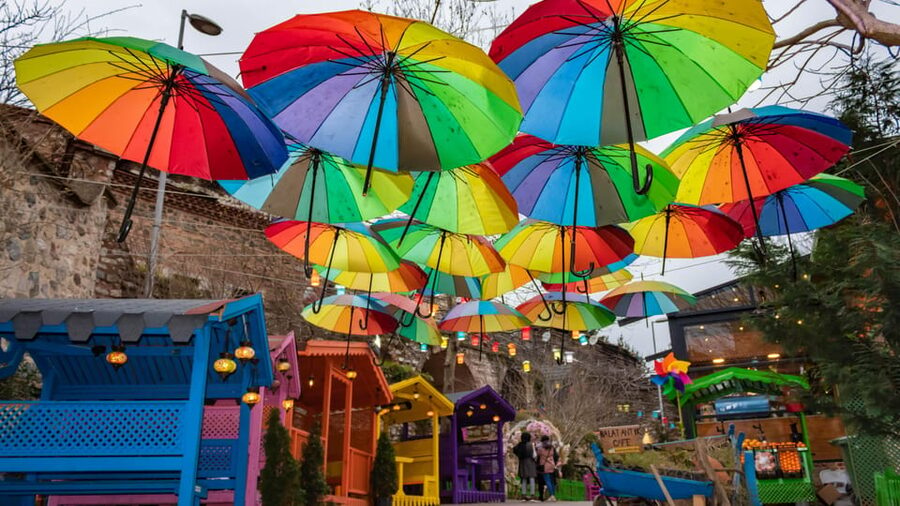
- Colorful Balat lanes: Photograph painted houses, lively stairways, small shops, cafés, and Ottoman-era wooden homes.
- A multi-faith walk: See Greek Orthodox, Bulgarian, Jewish, and other religious landmarks in a compact part of Istanbul.
- The Iron Church: Visit Sveti Stefan, the Bulgarian Church famous for its unusual cast-iron construction.
- A guide adds real context: Guides such as Can and Furkan explain how the districts changed and how different communities shaped them.
- Two hours, with hills: The route is short in time but not flat or effortless, so comfortable shoes matter.
- Good value at $18: Entrance fees and a professional English-speaking guide are included, while food, drinks, and transport are extra.
Why Fener and Balat make a good Istanbul walking tour
Istanbul is often presented through its imperial center, but Fener and Balat tell a different story. These neighborhoods sit along the Golden Horn and carry traces of Greek Orthodox, Armenian, Jewish, Bulgarian, and Ottoman life.
That mix is what makes the walk worthwhile. You are not simply moving from one photo stop to another. A church, school, synagogue, wooden house, or café becomes part of a wider story about how Istanbul’s communities lived beside one another and how the area is changing today.
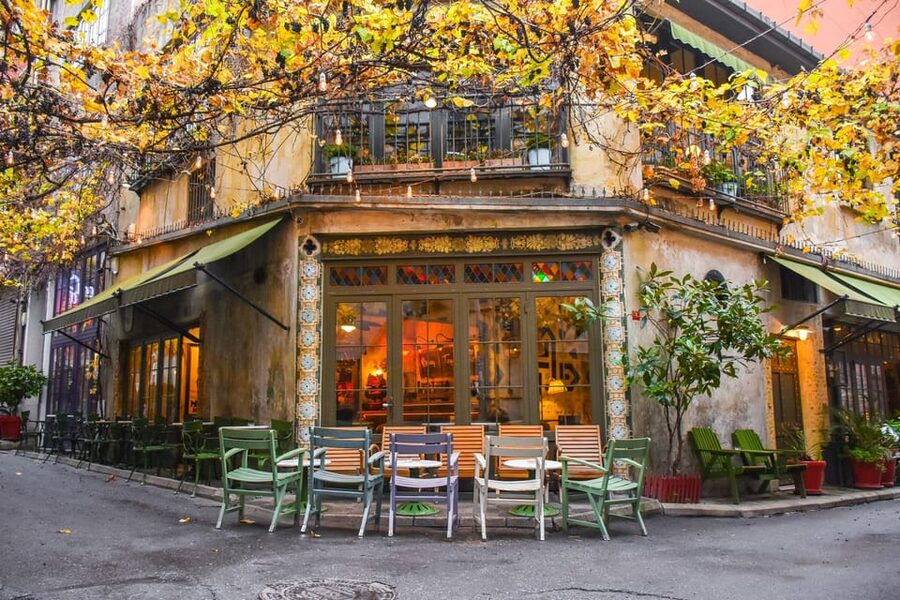
The route also gives you a more ordinary view of the city. You pass local cafés, breakfast spots, small stores, cats, colorful façades, and streets where residents go about their day. The area has become popular for photographs and food, but it still feels more residential than the main sightseeing zone.
I would use this tour early in an Istanbul visit. It gives you a feel for the city’s neighborhoods, introduces several religious traditions, and leaves you with practical ideas for where to eat or wander afterward.
Other guided walks in Istanbul:
- Istanbul: Fener Balat Half-day Guided Walking Tour
★ 4.9 · 1,711 reviews - Istanbul: European and Asian Side Guided Foodie Walking Tour
★ 4.9 · 1,038 reviews - Half day Fener-Balat Walking Tour in Turkiye
★ 5.0 · 308 reviews
Starting at Balat Merkez Şekercisi
The meeting point is in front of Balat Merkez Şekercisi. Look for a guide carrying a flag with the Tourmania logo.
This is a detail worth taking seriously. The tour begins on time, and the guide cannot wait more than five minutes for late arrivals. Once the walk starts, the guide is focused on the group rather than phone calls or helping people find the route, so give yourself plenty of time to reach the meeting point.
The walk finishes back at the same place, which is convenient if you want to continue exploring Balat afterward. You can also use the end of the tour as a starting point for lunch, shopping, or more independent wandering.
Balat’s colorful houses and steep stairways
The first part of the walk introduces Balat through its streets rather than through a major monument. You’ll pass the Balat neighborhood muhtarligi, a local administrative office, before reaching the famous colorful houses.
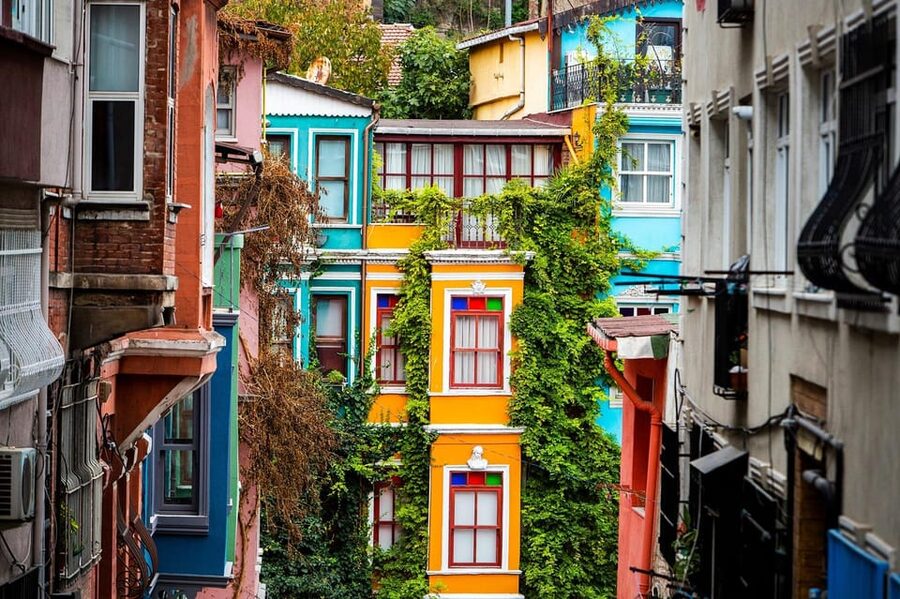
These façades are the visual hook of the district. Painted doors, narrow lanes, and Ottoman-era wooden homes create plenty of photo opportunities, but the guide helps keep the experience from becoming a simple hunt for pretty backgrounds. You’ll hear about the neighborhood and its communities while moving through streets that are still part of daily life.
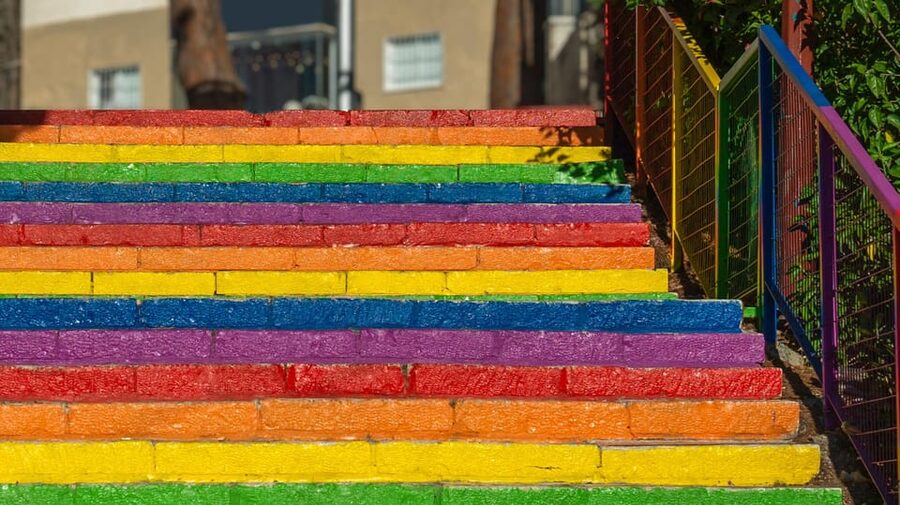
The colored stairways are another central stop. Expect a break for photographs and time to look around. The stairs and slopes are also where the physical side of the tour becomes clear. This is not a flat promenade. If you have ankle or knee trouble, walk carefully and consider whether a two-hour route over cobbles is right for you.
I like this opening because it eases you into the district. You begin with street scenes and architecture, then move toward the larger religious and political landmarks.
Fener, Dimitrie Cantemir, and the Greek Orthodox legacy
From Balat, the route continues into Fener. The two districts are close enough to connect comfortably on foot, but they have their own character and historical associations.
One stop is the former residence of Romanian prince Dimitrie Cantemir, now connected with the Dimitrie Cantemir Museum Café. It gives the guide a chance to explain the links between Istanbul and the wider Ottoman world. The café setting also provides a natural pause for photographs and conversation.
The Phanar Greek Orthodox College is one of the most striking buildings on the route. Its size and appearance make it easy to spot, and it helps explain the long importance of Fener to the Greek Orthodox community. You’ll have time for sightseeing and photographs rather than simply passing it at street level.
The program also includes a Greek Orthodox church visit in Fener, although exact access can depend on opening conditions and religious rules. The Church of Saint Mary of the Mongols is dated to 1266 and is passed on the route. Its age gives the walk a strong link to Byzantine and Orthodox Istanbul.
You may also see Panagia Paramythia Church. Together, these churches show why a guide is helpful here. Their significance is not always obvious from the street, and the route brings several sites into one clear story.
A few more things to do in Istanbul worth a look
- Istanbul: Daytime or Sunset Sightseeing Cruise & Audio Guide
★ 4.8 · 14,430 reviews - Best of Istanbul 1, 2 or 3-Day Private Guided Istanbul Tour
★ 5.0 · 8,922 reviews - Istanbul: Basilica Cistern Fast-Track Entry and Audio Guide
★ 4.6 · 7,521 reviews - Istanbul: Topkapi Palace & Harem Museum Ticket & Audio Guide
★ 4.1 · 3,977 reviews
The Phanar Greek Orthodox College and religious landmarks
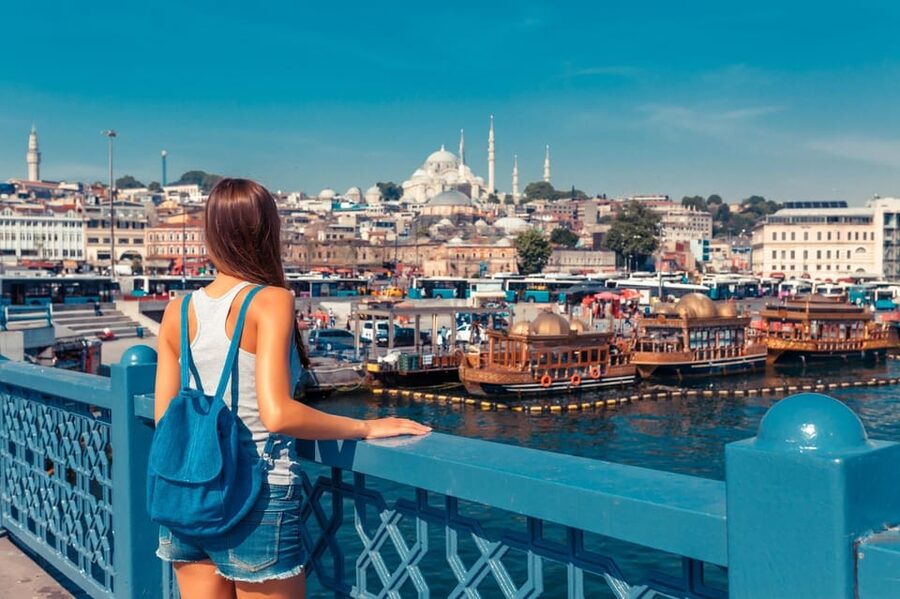
The Greek Orthodox landmarks in Fener are not just decorative buildings. They point to the district’s role as a center of education and religious life for Istanbul’s Greek community.
The former Greek primary school and the college help you see that community as a living social world, not just a label in a history book. A guide can explain how schools, churches, homes, and commercial streets worked together.
The route does not treat every stop as a formal interior visit. Some places are photo stops, and others are passed from outside. That distinction matters if you are booking mainly to enter religious buildings. The stronger reason to join is the combination of exterior architecture, local context, and access to sites you might otherwise walk past without understanding.
The route includes St. George’s Cathedral, where you have time for photographs and free time. Modest clothing is important at religious sites. Women are instructed to bring a headscarf, and clothing that covers the knees and shoulders is a sensible choice for anyone hoping to enter churches. One visitor was charged 200 Turkish lira for covering clothing at a church, so dressing appropriately can save both money and hassle.
Flash photography is not allowed. Follow the guide’s instructions inside churches and other religious buildings, and remember that these are active places of worship.
Sveti Stefan, Istanbul’s Bulgarian Iron Church
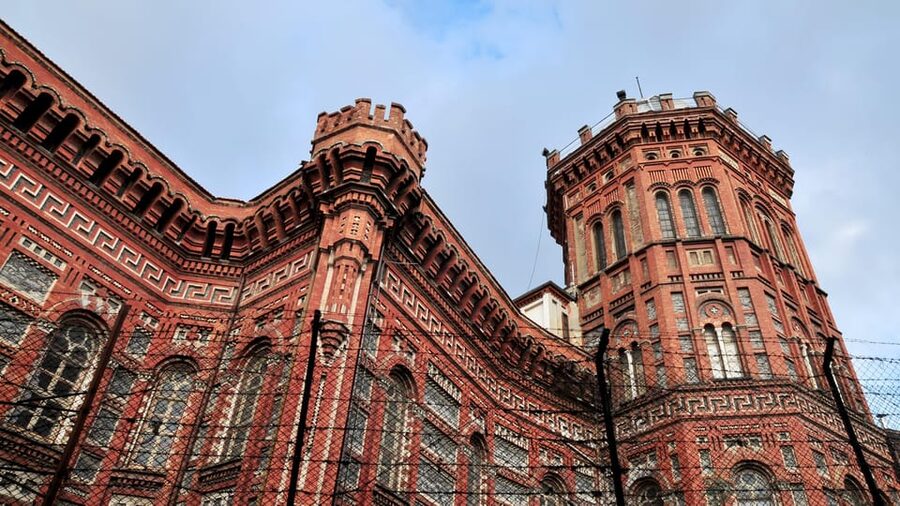
Sveti Stefan Church is the signature stop in Balat. It is also known as the Bulgarian Church or Iron Church because of its cast-iron structure.
The building is unusual enough to justify the walk on its own. Rather than blending into the surrounding streets, it has a distinctive form that reflects Bulgaria’s place within Istanbul’s religious and political story. You’ll have time for photographs, a visit, and some free time in the area.
This is one of the most rewarding moments for photographers, but I would not rush through it. Look at the construction details, the setting, and the contrast between the church and the surrounding neighborhood. The guide’s explanation helps turn an unusual building into a meaningful stop.
The route then continues through Balat’s older streets. Ottoman-era wooden homes appear along the way, some carefully preserved and others showing the wear of city life. That mixture is part of the appeal. The district is not a polished open-air museum, and its rough edges make the walk feel more connected to present-day Istanbul.
The Ahrida Synagogue and Istanbul’s Jewish heritage
The Ahrida Synagogue is one of Istanbul’s oldest synagogues, dating to the 15th century. The route passes by this important site, adding Jewish heritage to the Greek Orthodox and Bulgarian landmarks already seen.
You should be clear about what the schedule promises: Ahrida Synagogue is listed as a pass-by stop rather than a guaranteed interior visit. Even from outside, it helps complete the picture of Fener and Balat as districts shaped by several communities.
This is where the tour’s compact design works well. In a short walk, you encounter churches, schools, a cathedral, a synagogue, cafés, wooden houses, and colorful residential streets. The route does not give you a full study of every community, but it offers enough structure to help you notice how layered the neighborhoods are.
Turkish coffee and time for local flavor
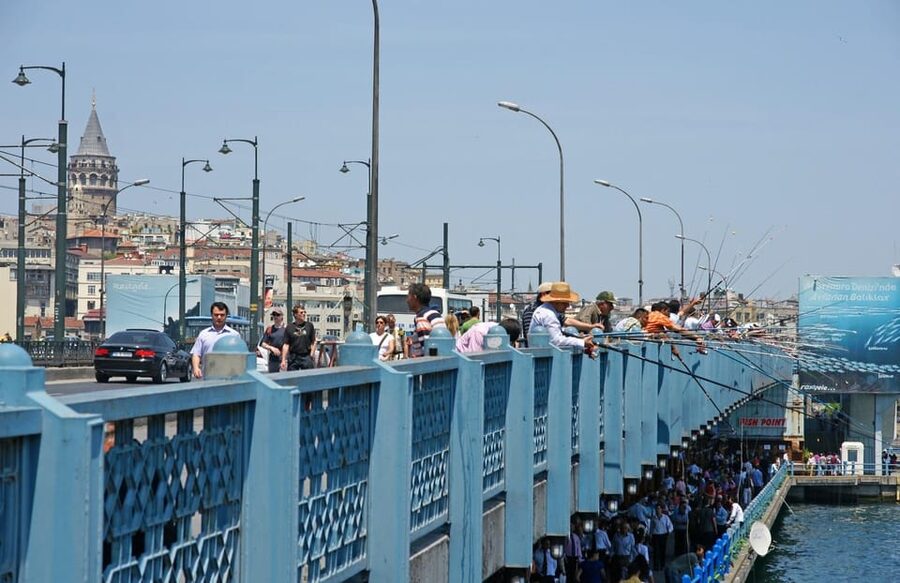
The walk includes a stop at a local café and ends with a traditional cup of Turkish coffee. Food and drinks beyond the included coffee are not covered, so bring water and some cash or a card if you want to buy a snack.
The café break is useful after the hills and cobbles. It also keeps the tour from feeling like a nonstop lecture. You can ask questions, compare what you have seen, and get suggestions for food or further exploring.
The route can include small local treats along the way. One guide gave a fizzy drink from a specialty shop, and another group enjoyed Turkish ice cream during the walk. These extras should not be treated as guaranteed inclusions, but they show the kind of informal local stops that may fit naturally into a small group or private departure.
Several bookings have ended up with only one or two people. That can make the experience feel almost private, with more room for questions and a pace adjusted to your interests. It is not guaranteed, but the tour’s two-hour format is well suited to a small group.
What the $18 price really gets you
At $18 per person, this is a low-cost way to add a guided neighborhood walk to an Istanbul itinerary. The price includes the walking tour, a professional English-speaking guide, and entrance fees.
The best value comes from the guide rather than from transportation or a long list of paid attractions. You are paying for the route, the explanations, access where available, and the ability to connect scattered sites into a sensible story.
You will need to arrange your own transport to Balat, and food and drinks are not included. That is reasonable at this price, but remember to allow extra time and money for getting to the meeting point and for anything you buy afterward.
Free cancellation is available up to 24 hours before the activity for a full refund. You can also reserve now and pay later, which is helpful if you are still arranging an Istanbul schedule.
Who will enjoy this walk most
I would recommend this tour to first-time Istanbul visitors who want more than the usual imperial sights. It also suits repeat visitors who have already seen the main mosques and palaces and want a neighborhood with a different feel.
You’ll get the most from it if you enjoy architecture, religion, local history, photography, and walking. The guides are especially useful if you like asking questions. Can, Furkan, John, Emre, and others are described as friendly, patient, and able to explain both the sites and wider Turkish history in clear English.
It is less suitable if you need step-free access or dislike hills. Wheelchair users cannot take the tour, and anyone with ankle problems should think carefully about steep cobblestones. Hot days can make the walk harder, so carry water and use the slower pace to your advantage.
Wear comfortable shoes, bring a hat and camera, and pack a headscarf if required. Modest clothing is the safer choice for church visits, and flash photography is prohibited.
Should you book the Fener and Balat walk?
I would book it if you want a short, affordable introduction to one of Istanbul’s most characterful neighborhoods. The route offers more than colorful houses: you get the Iron Church, Greek Orthodox landmarks, a 15th-century synagogue, old schools, wooden homes, café culture, and a Turkish coffee finish.
I would skip it only if steep streets are a serious problem or if you want guaranteed access inside every religious building. For most able walkers, the $18 price is fair, the two-hour length fits neatly into a busy itinerary, and a good guide can make the district far easier to understand.
FAQ
How long is the Fener and Balat walking tour?
The tour lasts two hours.
What language is the tour conducted in?
The live tour guide speaks English.
Where does the tour meet?
Meet in front of Balat Merkez Şekercisi. Look for a guide holding a flag with the Tourmania logo.
Is Turkish coffee included?
A Turkish coffee is included as part of the walking experience. Additional food and drinks are not included.
Do I need to bring a headscarf?
Women are required to bring a headscarf for religious sites. Modest clothing covering the knees and shoulders is also recommended for church visits.
Is the route suitable for wheelchair users?
No. The tour is not suitable for wheelchair users, and the route includes hilly areas and steep cobblestone streets.
Just added in Istanbul
- From Istanbul: Sapanca & Masukiye Tour with Lunch★ 4.5 · 68 reviews
- From Istanbul: Private Pamukkale and Hierapolis Day Tour★ 4.2 · 19 reviews
- From Istanbul: Troy and Gallipoli 2-Day Trip★ 4.2 · 18 reviews
- From Istanbul: Guided Day Trip to Sapanca and Masukiye★ 4.1 · 21 reviews
- From Istanbul: Private Bursa City Day Trip★ 4.5 · 20 reviews
- From Istanbul: Ephesus Tour with Roundtrip Flight★ 4.5 · 23 reviews
- From Istanbul: 4-Day Istanbul, Cappadocia, Flight,Cave Hotel★ 4.6 · 17 reviews
- From Istanbul: Best of Turkey 8 Days, 7 Nights Guided Tour★ 5.0 · 15 reviews
Walking Tours, compared.
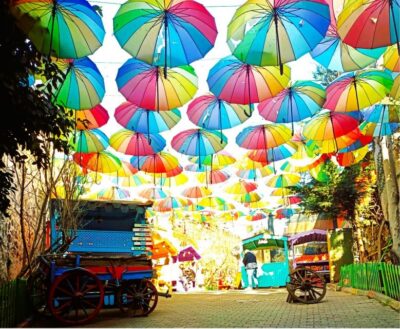
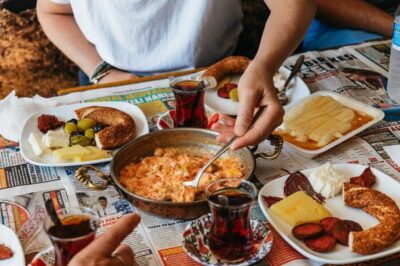
European and Asian Side Guided Foodie Walking Tour
Read our review →
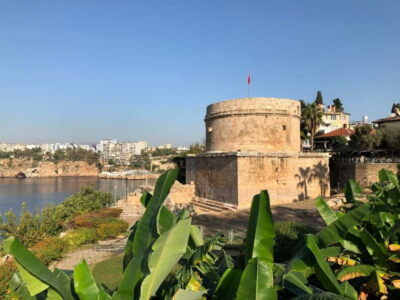

Kaleici Old Town Small Group Guided Walking Tour
Read our review →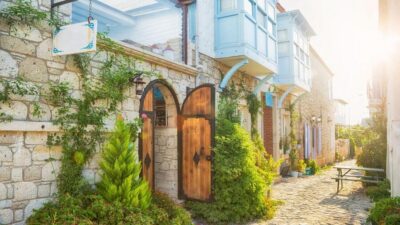
Best of Izmir: Private Walking Tour with a Local
Read our review →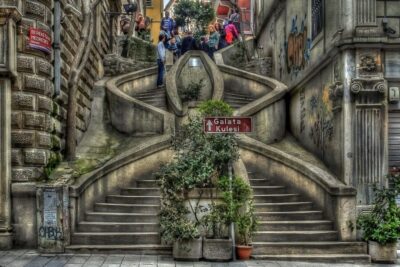
Browse the lists this tour appears in